
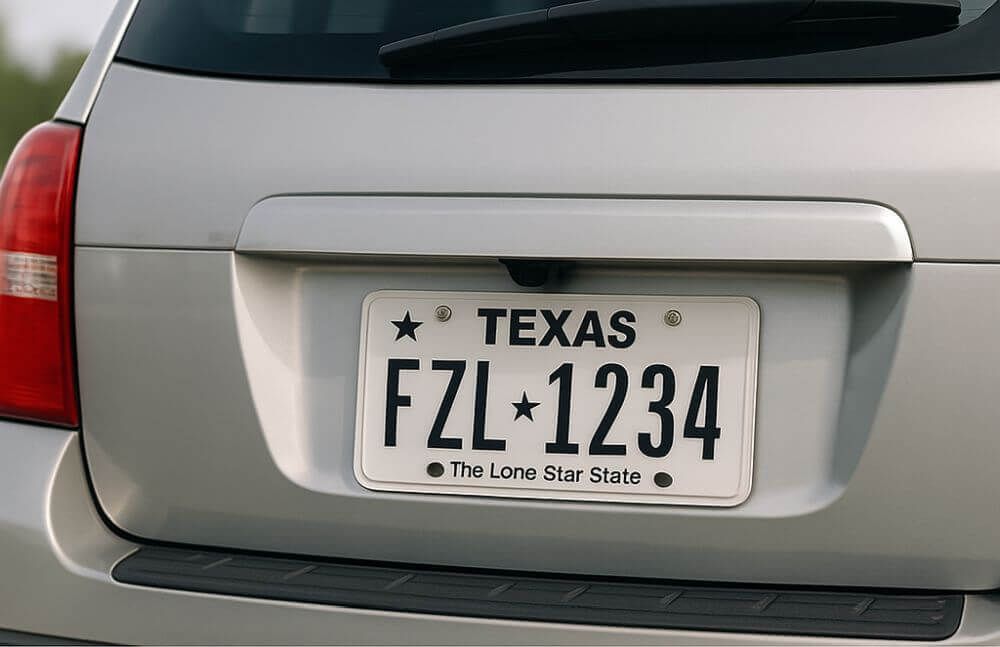
When you're buying a used vehicle, researching a car parked near your home, or trying to verify a vehicle’s background, performing a Texas license plate lookup can provide quick and valuable information. But what exactly can you learn from a Texas plate—and what details are protected under state and federal privacy laws?
This guide explains what a license plate search can reveal, what it cannot reveal, and how to run a free Texas license plate lookup using a trusted tool like the
Free Texas License Plate Search from VinCheckPro.
🔍 Want to look up a Texas plate right now?
Use the
Free Texas License Plate Lookup Tool
to instantly view available vehicle records, VIN details, title brands, and more.
Why Run a Texas License Plate Lookup?
A Texas plate lookup is helpful for both safety and consumer protection. Common uses include:
- Buying a used car from a private seller and verifying the vehicle’s background
- Checking for hidden title problems like salvage, flood, rebuilt, or odometer discrepancies
- Verifying ownership and registration history before a purchase or transfer
- Identifying the background of a suspicious or abandoned vehicle
- Gathering information after an accident or hit-and-run
- Confirming the VIN when it’s unavailable on the listing
With accurate plate-linked data, you can spot red flags before making costly decisions.
What You Can Find Out From a Free Texas Plate Search
A free Texas license plate search provides non-personal but highly useful vehicle information. Results often include:
✔ Vehicle Information Available Through a Free Lookup
| Data Type | What You Can See |
|---|---|
| Vehicle Specs | Year, make, model, trim, engine type |
| VIN Number | The complete 17-character VIN linked to the plate |
| Title Status | Clean, salvage, rebuilt, junk, flood, lemon |
| Odometer Records | Reported mileage from inspections or title updates |
| Registration History | States where the vehicle was previously registered |
| Recall Notices | Any active manufacturer safety recalls |
| Lien or Loan Indicators | Reports of existing or previous liens (when available) |
| Insurance Total-Loss Records | If the vehicle has been declared a total loss |
What You Can’t Find Out (Protected Under Texas & Federal Law)
Texas Transportation Code and the federal Driver’s Privacy Protection Act (DPPA) prohibit the release of personal information linked to a license plate.
❌ Restricted Information (Legally Unavailable)
| Restricted Data | Why It's Not Public |
|---|---|
| Owner’s Name | Available only to law enforcement or authorized entities |
| Owner’s Address | Protected by DPPA and state privacy laws |
| Phone Numbers / Email | Cannot be released under any public lookup |
| Driver’s License Information | Extremely restricted; illegal to access without authorization |
Is License Plate Lookup Legal in Texas?
Yes—Texas license plate lookup is legal, as long as the information is used for legitimate reasons such as:
- Vehicle research
- Fraud prevention
- Safety concerns
- Pre-purchase verification
⚠️ Misusing license plate data for stalking, harassment, or identity-related fraud can lead to civil and criminal penalties.
How to Perform a Texas License Plate Lookup
✔ Step-by-Step Instructions
- Write down the full Texas plate number exactly as it appears.
- Go to the
Free Texas License Plate Lookup Tool. - Enter the plate number and select Texas as the state.
- Review the available report—VIN, specs, title brand, odometer records, and more.
Sample Texas Vehicle Record (Example Result)
| Field | Example |
|---|---|
| Plate | TX – FZL1234 |
| VIN | 1HGCM82633A123456 |
| Make | Honda |
| Model | Accord EX |
| Year | 2018 |
| Title Status | Clean |
| Last Odometer | 58,321 miles |
| Open Recalls | 1 (airbag system) |
| Lien Status | None reported |
Common Use Cases for Texas Plate Lookups
✔ Buying a Used Car
Quickly confirm the VIN, title condition, and major red flags before making payment.
✔ Suspicious or Unknown Vehicles
If a vehicle appears abandoned or out of place, you can check whether it has prior damage, salvage history, or theft reports.
✔ Accident Documentation
If you captured a plate number after a collision, a lookup helps confirm details about the other vehicle for insurance reporting.
Tips for Getting a Complete Vehicle History
- Run the VIN through a Free VIN Decoder to confirm specs and build data
- Use a Vehicle History Report to uncover title issues, damage, and ownership records
- Compare mileage records to detect odometer rollbacks
- Check lien reports before purchase to avoid repossession risks
Related Tools to Use With a Texas Plate Search
| Tool | What It Helps You Do |
|---|---|
| Texas VIN Check | Confirms registration, title brands, and VIN-associated data |
| Car Value by VIN Tool | Estimates resale or trade-in value using confirmed specs |
| Recall Lookup | Identifies open manufacturer safety recalls |
| License Plate Lookup Directory | View plate search options for all U.S. states |
Frequently Asked Questions (FAQ)
Can I find the owner of a vehicle using a Texas license plate?
No. Owner identity is private and protected under DPPA and Texas law.
Is Texas license plate data public?
Vehicle-related data such as VIN, title brands, and recalls is public. Personal data is protected.
Is a free lookup accurate?
It depends on the database source. VinCheckPro uses national registries and insurance data for reliable results.
Do I need to create an account to run a search?
No. The tool works instantly with no signup required.
Final Thoughts: Protect Yourself with a Quick Lookup
A Texas license plate search is one of the easiest ways to uncover valuable vehicle details, verify a seller’s claims, or assess a vehicle’s risk before buying.
👉 Run a Texas License Plate Lookup Now
Use the Free Texas Plate Lookup Tool for instant, reliable results.
No fees. No login. Just accurate vehicle information when you need it most.