
How to Verify a Plate Number Online
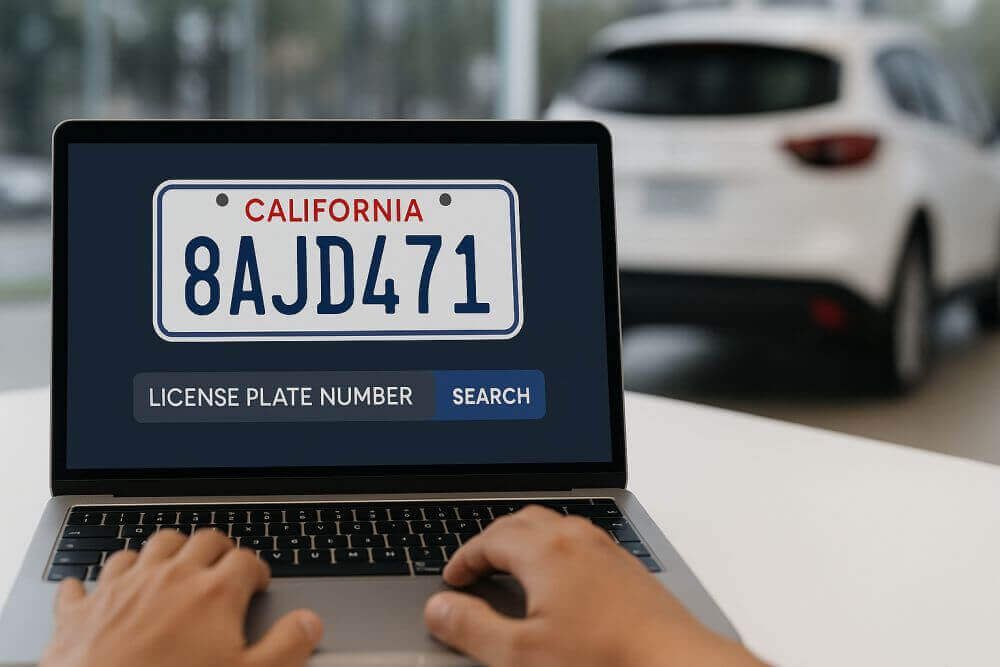
How to Verify a Plate Number Online
In today’s digital era, verifying a license plate number online has become an essential step for anyone buying, selling, or researching a vehicle. Whether you’re considering a used car purchase, checking your own vehicle’s records, or just wanting peace of mind, online plate verification can save you time and help you avoid costly surprises.
With just a few clicks, you can uncover valuable details about a vehicle’s registration status, title history, and even decode the VIN to check for hidden issues. This proactive approach helps confirm the authenticity of a vehicle and ensures that you’re making a safe, informed decision. For example, if you’re in California, a California vehicle license plate lookup is especially useful given the state’s specific registration requirements and large used car market.
Why Should You Verify a License Plate Number?
Verifying a license plate number online is important for several reasons. Most importantly, it helps confirm the legitimacy of a vehicle. By checking public records tied to the plate, you can ensure that the car:
- Has not been reported stolen
- Is not tied to unresolved liens or major title issues
- Is not connected to obvious fraud or identity mismatches
Additionally, plate verification can reveal valuable information about the vehicle’s history, such as:
- Past accidents or major repairs
- Title issues (like salvage, rebuilt, or flood titles)
- Previous ownership records and registration locations
- Any open recalls that could affect safety and value
For used car buyers, this step can prevent purchasing a vehicle with hidden problems and give you much greater confidence in your investment.
Steps to Verify a License Plate Number Online
Step 1: Collect Necessary Details
Start by gathering the vehicle’s license plate number and the state where it’s registered. Having this information ready ensures that your search results are accurate and specific, especially in states with similar plate formats.
Step 2: Choose a Trusted Online Service
Select a reputable online service that specializes in license plate lookups and vehicle history reports. Ideally, look for platforms that also provide:
- VIN decoding
- Title and brand history
- Basic accident and recall data
This gives you a more complete, multi-angle view of the vehicle rather than relying on a single data source.
Step 3: Enter the Plate Number
Input the license plate number and state into the search tool. Some services may also request the VIN for more detailed results, especially if you want to cross-reference manufacturing and title data.
If you have both the plate and the VIN, use them together — matching results between the two increases your confidence in the data.
Step 4: Analyze the Results
Carefully review the information provided. Look for warning signs such as:
- Title discrepancies (e.g., clean title listed in one record, salvage in another)
- Evidence of past accidents or total-loss events
- Active liens that could affect ownership transfer
- Mismatched ownership details or suspicious registration history
If anything looks off, pause the buying process and investigate before moving forward.
Step 5: Cross-Check with a VIN Decoder
To validate the results, use a VIN decoder to confirm the vehicle’s specifications and deeper history. This additional step helps you:
- Verify that the VIN and plate point to the same year, make, and model
- Confirm trim level, engine type, and factory equipment
- Spot any red flags that might not appear in a simple plate search
Cross-checking plate data with VIN data is one of the best ways to detect cloning, title washing, or fraud.
How License Plate Verification Connects with VIN Decoding
License plate verification and VIN decoding work hand in hand to provide a complete view of a vehicle’s background:By combining both tools, you can confidently verify the vehicle’s identity, assess its condition, and ensure it meets safety and ownership standards before you commit to a purchase.
Use VinCheckPro’s Free VIN Decoder
For a reliable and easy-to-use VIN check, VinCheckPro offers a free VIN decoder that provides detailed insights into a vehicle’s history and specifications. This tool can help you:
- Uncover potential red flags you might miss from plate data alone
- Confirm critical details like model year, engine, and trim
- Support better decision-making when buying, selling, or insuring a car
Visit VinCheckPro’s free VIN decoder to take the next step in your vehicle research. By leveraging both plate lookups and VIN decoding, you can protect yourself, secure your investment, and move forward with confidence.
Frequently Asked Questions
What information can I obtain from verifying a license plate number?
Verifying a license plate number can provide insights into a vehicle's registration details, title history, previous ownership, accident records, and potential recalls. This information is crucial for confirming the legitimacy of a vehicle and identifying any hidden issues before you buy.
Can I verify a license plate number for free?
Yes, several online platforms offer free license plate verification services. However, the depth and accuracy of the information may vary. It's advisable to use reputable sites that provide comprehensive data, including VIN decoding and access to multiple data sources.
Is it necessary to cross-check license plate results with a VIN decoder?
Yes, cross-checking results with a VIN decoder is strongly recommended. While license plate verification provides registration and title information, a VIN decoder offers a more detailed view of a vehicle's specifications and history, ensuring a complete understanding of the vehicle's condition.
How can I perform a license plate lookup for a vehicle registered in California?
For vehicles registered in California, you can use specialized services like the California vehicle license plate lookup. This tool is designed to align with the state's unique registration requirements and provide accurate, state-specific results.
What should I do if the license plate verification reveals discrepancies?
If you find discrepancies during license plate verification, it's crucial to investigate further. Contact the seller or vehicle owner for clarification, request a VIN-based vehicle history report, and consider consulting a professional mechanic or inspector before proceeding with any purchase. When in doubt, be prepared to walk away.
About the Author
Brandon Lee
Brandon Lee is a classic car restorer and fabricator who spends his time rescuing old metal and rebuilding it piece by piece. He’s dealt with rust-bucket projects, bad bodywork, and cars with confusing chains of ownership. At VinCheckPro.com, Brandon focuses on older vehicles and project cars—explaining how VIN checks, casting numbers, and careful inspection help confirm a car’s true identity and condition.