
How to Check if a Car Is Stolen by License Plate
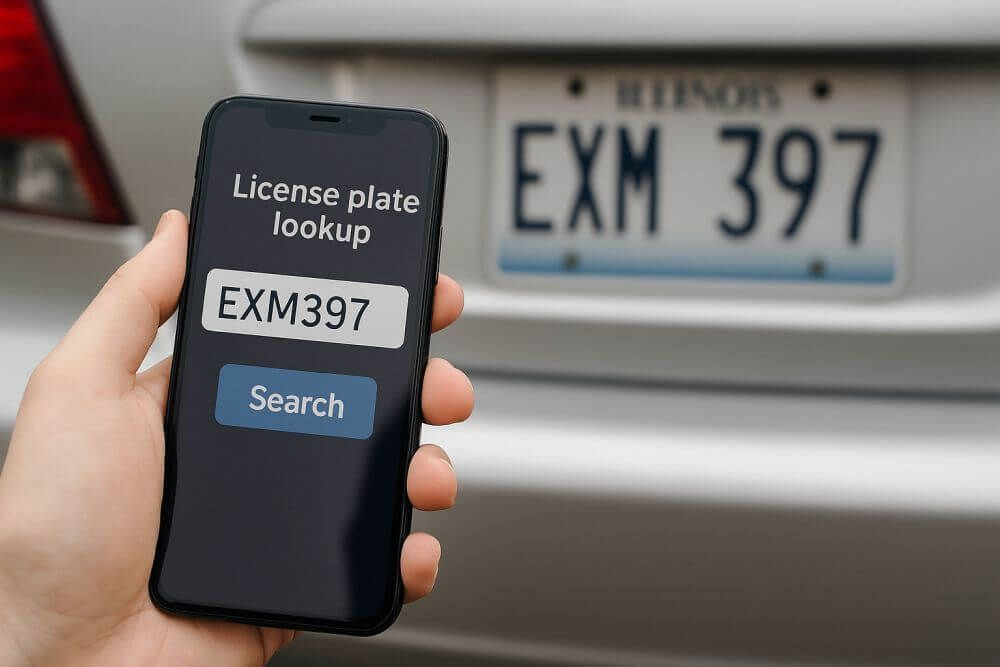
How to Check if a Car Is Stolen by License Plate?
When shopping for a used car, especially from a private seller or an online marketplace, verifying whether a vehicle is stolen is one of the most critical steps you can take to protect yourself. Stolen vehicles are sometimes resold to unsuspecting buyers, leaving new owners exposed to financial loss, registration problems, and even criminal investigations.
One of the easiest ways to start checking a vehicle's status is by using its license plate. In this guide, you’ll learn how to check if a car is stolen by license plate, why this step matters, and how to combine a plate search with a VIN check and full vehicle history report for maximum protection.
Why It’s Important to Check for a Stolen Vehicle
Purchasing a stolen vehicle — even unknowingly — can have serious consequences:
Checking a car’s status before completing a sale helps ensure you're not supporting criminal activity and protects your investment, your record, and your peace of mind.
Can You Check if a Car Is Stolen Using a License Plate?
Yes. A license plate can provide valuable information about a vehicle’s registration and ownership history. While the plate alone may not reveal every detail, it is an excellent starting point when combined with:
- A VIN (Vehicle Identification Number) check
- A vehicle history report
- Confirmation from law enforcement or your local DMV
By starting with the license plate and then pulling the VIN and history, you can quickly identify major red flags before any money changes hands.
Steps to Check if a Car Is Stolen by License Plate
1. Ask the Seller for Complete Documentation
Before running any online checks, always ask the seller to provide:
- The vehicle title
- Current registration documents
- Maintenance and service records
- A valid government-issued photo ID
Verify that the name on the title and registration matches the seller’s ID. If the seller hesitates, makes excuses, or cannot provide these documents, treat it as a major red flag and proceed with extreme caution.
2. Use a Free National Insurance Crime Bureau (NICB) Check
In the U.S., the National Insurance Crime Bureau (NICB) offers a free online service called VINCheck. This tool allows you to enter a VIN and see if the vehicle has been reported as:
- Stolen but not recovered
- Salvaged by an insurance company
Many online listings display the license plate number publicly. You can use that plate to obtain the VIN (through a plate lookup) and then run it through NICB VINCheck as an additional layer of protection.
3. Check with Local Law Enforcement
Your local police department or state patrol can help verify whether a car has been reported stolen. When you contact them, provide:
- The license plate number
- The VIN (if available)
- The state where the vehicle is registered
Some states also provide online stolen vehicle check tools via their DMV or public safety websites. For example, certain states allow you to enter a VIN or plate number to see if a vehicle is listed as stolen in their database.
4. Run a Vehicle History Report
A comprehensive vehicle history report adds another level of protection. Using services like VinCheckPro, you can uncover:
- Theft records and recovery events
- Title and ownership history
- Salvage, rebuilt, or junk branding
- Prior accidents and damage
- Odometer inconsistencies
If you only have the plate number, you can first use a license plate lookup to retrieve the VIN, then generate a full history report based on that VIN.
5. Inspect the VIN on the Car
Even if you start your research using the plate number, you should always physically inspect the VIN on the vehicle itself. Common VIN locations include:
- The driver-side dashboard (visible through the windshield)
- The inside of the driver’s side door jamb
- The engine bay or frame (on some models)
Make sure the VIN on the vehicle matches the VIN on the title, registration, and any vehicle history reports. Look for signs of tampering, such as:
- Scratched or altered VIN plates
- Mismatched rivets or mounting hardware
- VIN stickers that look peeled, reattached, or inconsistent
These may indicate VIN cloning or fraud, often used to disguise stolen cars.
Additional Tips to Avoid Buying a Stolen Car
- Consider having a trusted mechanic or inspection service review the vehicle before purchase.
Combining these precautions with a plate lookup and VIN check dramatically reduces your risk.
What to Do if You Suspect a Car Is Stolen
If a vehicle’s records raise red flags or you strongly suspect it may be stolen:
- If you already bought the car and later discovered issues, gather all documentation and seek legal advice as soon as possible.
Acting quickly can help protect you and may assist authorities in recovering stolen property.
How VIN and License Plate Lookups Work Together
A license plate is often the fastest way to start researching a vehicle, especially when you spot a car online or in person and don’t yet have the VIN. Once you have the plate and state, you can:
For deeper peace of mind, VinCheckPro also offers free VIN decoding and vehicle history tools that help you confirm a car’s identity, equipment, and potential red flags before you buy.
Frequently Asked Questions (FAQ)
How can I find out if a car is stolen using the license plate number?
You can start by running an online license plate lookup to retrieve key vehicle details and the VIN. Then, use tools like NICB VINCheck, contact local law enforcement, or check your state DMV’s online resources to see if the vehicle has been reported stolen.
What information do I need to perform a stolen car plate check?
At minimum, you should have the license plate number and the state of registration. For a thorough check, it’s best to also obtain the VIN, which allows you to run vehicle history reports and NICB VINCheck for theft and salvage records.
Can a VIN decoder help in identifying a stolen car?
Yes. A VIN decoder and vehicle history report can reveal theft records, title issues, and inconsistencies in ownership or mileage. If the VIN on the car doesn’t match its documents or the decoded details, that’s a strong sign that something may be wrong.
Is it legal to perform a stolen car plate check?
Yes. It is both legal and highly recommended to check whether a car is stolen before buying it. Using publicly available tools, law-enforcement hotlines, and DMV resources is a responsible way to protect yourself and avoid purchasing stolen property.
Where can I find a reliable online resource for a stolen car check?
VinCheckPro is a trusted online resource that offers free license plate lookups, VIN decoding, and comprehensive vehicle history reports. These tools can help you identify theft records, salvage branding, and other red flags using either the license plate or VIN.Final Thoughts
Checking if a car is stolen by license plate is a simple but essential step in any used car purchase. By combining a license plate lookup, VIN decoding, and official checks from law enforcement and NICB, you can dramatically reduce the risk of buying a stolen vehicle.
Before you commit to any used car, take a few minutes to research it with tools like VinCheckPro’s free plate and VIN checks. A little diligence now can protect your money, your safety, and your peace of mind for years to come.
About the Author
Chris “Wrench” Dawson
Chris Dawson, known by his customers simply as “Wrench,” is a mobile mechanic who specializes in pre-purchase inspections. He’s crawled under countless used cars in driveways, parking lots, and dealer lots, checking for leaks, frame damage, and lazy repairs. On VinCheckPro.com, Chris shares practical checklists and real-world stories so buyers know exactly what to look, listen, and feel for before buying.