
How do I find out who owns a license plate in Florida?
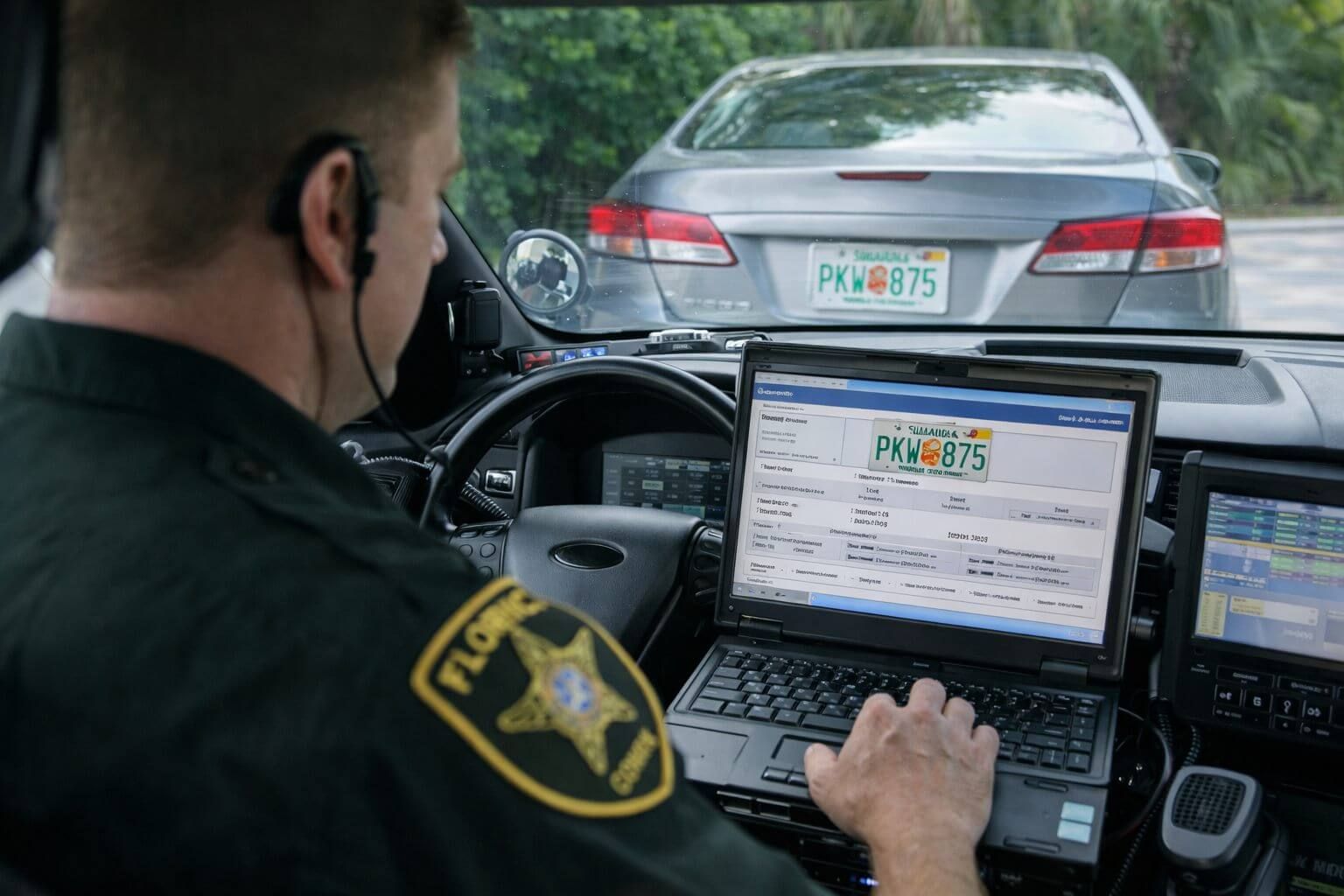
How Do I Find Out Who Owns a License Plate in Florida?
If you are buying a used car in Florida, checking a suspicious vehicle, or trying to verify whether a seller’s story matches the records, it is normal to ask whether you can identify the owner of a Florida license plate.
The short answer is that most private individuals cannot legally get a plate owner’s name, address, or other personal details just by searching the plate number. Florida follows federal privacy rules that strictly limit access to personal motor vehicle record information.
That said, a Florida plate search can still be useful. While it usually will not disclose the owner’s identity, it can help you verify vehicle-related details and spot title, registration, or history-related red flags. If you are evaluating a used car, it is also wise to combine a plate search with a free VIN check so you are not relying on a single data point.
!How do I find out who owns a license plate in Florida
Can You Find Out Who Owns a License Plate in Florida?
In most situations, no, not directly.
The reason is the federal Driver’s Privacy Protection Act, often called the DPPA. Florida Highway Safety and Motor Vehicles states that personal information in motor vehicle records is protected and automatically blocked from public access unless the requester qualifies for a legal exemption. Protected information includes a person’s name, address, telephone number, driver license number, and certain other personal details. (flhsmv.gov)
This means that a private individual generally cannot look up a Florida license plate and receive the registered owner’s identity just because they are curious, cautious, or suspicious. (flhsmv.gov)
What Information Is Restricted?
Under Florida’s DPPA rules, the following types of information are restricted in motor vehicle records:
- Name
- Address
- Telephone number
- Driver license or identification card number
- Social Security number
- Medical or disability information
Florida also separately protects email addresses and emergency contact information in these records. (flhsmv.gov)
When Can Someone Legally Access Plate-Owner Information?
Florida does allow access to personal motor vehicle record information in limited situations, but the requester must fall within a legally recognized exemption.
Examples of parties that may qualify include:
- Law enforcement agencies carrying out official duties
- Government agencies using the records for authorized functions
- Auto manufacturers handling recalls
- Towing companies notifying owners of towed or impounded vehicles
- Businesses or entities verifying information under a lawful exemption
- People or agencies with the subject’s written permission
Florida’s own guidance makes clear that if you are requesting someone else’s personal information, you must qualify under an exemption listed on the motor vehicle record request form. (flhsmv.gov)
How to Look Up a Florida License Plate the Right Way
Even though owner identity is usually protected, there are still lawful ways to research a Florida vehicle.
Step 1: Use a Florida License Plate Lookup Tool
A license plate lookup can help you review vehicle-related details without improperly trying to access restricted personal information.
Depending on the source and available records, a plate lookup may help surface:
- Vehicle make, model, and year
- Registration-related details
- Title brands such as salvage, rebuilt, or flood
- Vehicle specifications
- Possible accident or damage indicators
This is especially useful when a seller gives you a plate number first or when you want to compare the visible vehicle to the listing and paperwork.
Step 2: Use the VIN for Deeper Verification
A license plate search is helpful, but it is not a substitute for VIN-based research. For used-car buyers, the VIN remains the stronger verification tool because it is tied directly to the vehicle itself.
A VIN decoder can help confirm the exact year, make, model, trim, engine, and other build details. A vehicle history report can then help uncover title issues, damage records, prior branding, theft history, and other red flags that matter before purchase or registration.
Step 3: Request Records From FLHSMV Only If You Qualify
If you have a valid legal reason, Florida provides a process for requesting motor vehicle record information. The state uses Form HSMV 90510 for motor vehicle record requests, including title-related records. Florida’s guidance says personal information from someone else’s record can be released only if the requester qualifies for an exemption and properly identifies that exemption in the request. (flhsmv.gov)
This route is not meant for general curiosity. It is designed for legally authorized requests.
Step 4: Consider a Licensed Professional in Serious Cases
If the issue involves fraud, litigation, stolen property, insurance concerns, or a more serious dispute, it may be appropriate to work with a licensed attorney, insurer, or private investigator who understands the legal boundaries of record access.
Why Used Car Buyers in Florida Should Not Rely on a Plate Search Alone
In the used-car market, a plate search can be a good starting point, but it does not tell the full story.
For example, a seller may present a vehicle that looks clean on the surface, yet the VIN-linked history may show prior flood damage, title branding, open recalls, or inconsistent mileage history. That is why buyers should always go beyond the plate and verify the vehicle more thoroughly.
A smart Florida used-car screening process often includes:
- A plate-based vehicle lookup
- A VIN-based background check
- A physical inspection and document review
Practical Tips if You Are Trying to Verify a Vehicle in Florida
If You Are Buying From a Private Seller
Match the seller’s identification to the title and verify that the VIN on the vehicle matches the paperwork. Do not rely on the plate alone.
If a Vehicle Seems Suspicious or Abandoned
Do not try to get private ownership details through unofficial means. Contact local law enforcement, parking enforcement, property management, or the proper government office if the situation requires action.
If You Suspect Title or Ownership Problems
Use records-based tools to evaluate the vehicle rather than chasing the owner’s identity. In many cases, what matters most is whether the vehicle has a clean and transferable history.
Frequently Asked Questions
Can I find out who owns a license plate in Florida for free?
Not in the sense of getting the person’s name and address. Florida restricts personal motor vehicle record information unless the requester qualifies for a legal exemption. (flhsmv.gov)
What can a Florida license plate lookup show me?
It may show vehicle-related information such as make, model, year, title-brand clues, and other non-personal details, but it generally will not reveal the registered owner’s private identity.
What form does Florida use for motor vehicle record requests?
Florida uses Form HSMV 90510 for motor vehicle record requests, including title-related records. If you want someone else’s personal information, you must qualify for an exemption and identify that exemption in the request. (flhsmv.gov)
Is it legal to hire a private investigator to identify a plate owner?
A licensed investigator may be able to work within the law in certain situations, but the access and use of information still have to comply with Florida law and the DPPA.
Why should I use a VIN check along with a plate lookup?
A plate lookup can help you start the verification process, but a VIN-based search gives you a deeper and more reliable view of the vehicle’s identity, history, and possible risk factors.
Final Thoughts
In Florida, most people cannot legally find out who owns a license plate just by searching the number. Personal owner information is protected by federal privacy law and Florida’s record-access rules.
However, that does not mean you are stuck. You can still use lawful tools to verify the vehicle itself, uncover title and history problems, and reduce the risk of fraud. For used-car buyers, the smartest approach is to treat the plate search as a starting point and the VIN-based review as the real due-diligence step.
If your goal is to evaluate a vehicle before you buy, focus less on chasing the owner’s private identity and more on confirming whether the vehicle has a clean, consistent, and trustworthy record.
About the Author
Chris “Wrench” Dawson
Chris Dawson, known by his customers simply as “Wrench,” is a mobile mechanic who specializes in pre-purchase inspections. He’s crawled under countless used cars in driveways, parking lots, and dealer lots, checking for leaks, frame damage, and lazy repairs. On VinCheckPro.com, Chris shares practical checklists and real-world stories so buyers know exactly what to look, listen, and feel for before buying.