
How to Find the Registered Owner of a Vehicle (Legally and Safely)
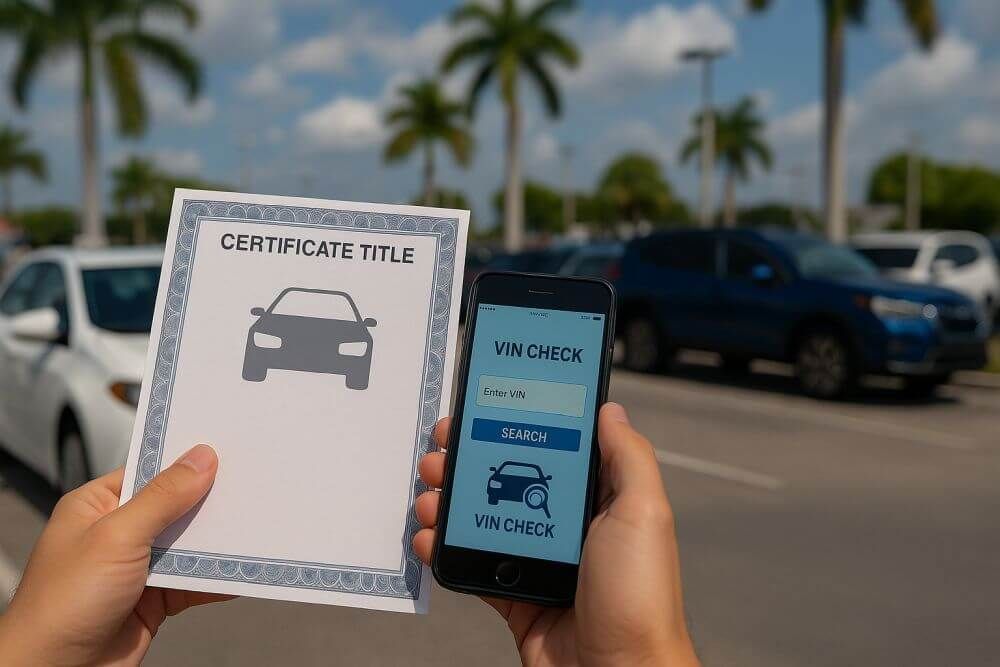
How to Find the Registered Owner of a Vehicle
Whether you’re buying a used car, investigating an incident, or verifying a seller’s legitimacy, knowing how to find the registered owner of a vehicle can be incredibly important. However, strict privacy laws limit public access to personal information, meaning this process requires proper legal grounds.
Below, we explain why you may need this information, the legal requirements, and the safest methods for conducting a vehicle owner lookup properly.
Why You Might Need to Find a Vehicle’s Registered Owner
There are valid reasons someone may need this information:
Legal Considerations: Privacy Laws & the DPPA
In the U.S., the Driver’s Privacy Protection Act (DPPA) restricts access to DMV records that contain personal information such as name and address.
Permissible reasons include:
- Legal investigations
- Insurance claims and fraud prevention
- Employment background checks for driving roles
- Recall or emissions-related issues
Unauthorized access can lead to penalties.
Methods to Find the Registered Owner of a Vehicle
1. Contact the DMV
The DMV holds the official registration record. To request ownership info, you must:
- File the correct DMV form
- Pay any applicable fees
Each state follows its own process.
2. Use a License Plate Lookup Service
Online plate lookup tools cannot reveal personal information, but they can provide:
- Vehicle make, model, year
- Registration status
- Theft or salvage history
- Basic title details
Only law enforcement and authorized professionals can legally access owner identity.
3. Hire a Licensed Private Investigator
For complex or legal cases, PIs have access to specialized databases and understand privacy regulations.
4. Check a Vehicle History Report
Reports from Carfax, AutoCheck, or similar platforms include:
- Number of previous owners
- Title changes
- Accident or damage records
- Registration history
These help you verify whether a seller’s story matches the documentation.
5. Request Assistance from Law Enforcement
If you are involved in a crime, accident, or suspected fraud, police can legally access DMV ownership records.
The Role of VIN Decoding in Owner Lookup
A VIN (Vehicle Identification Number) will not show the owner’s identity, but it can reveal:
- Make, model, engine type
- Title history
- Recall and warranty info
- Reported accidents or flood damage
Using VIN data alongside DMV and investigative steps helps build a complete picture of the vehicle’s legitimacy.
Use VinCheckPro’s Free VIN Decoder
While you cannot get the owner’s name from a VIN decoder, you can get valuable background information that helps verify a vehicle before purchasing.
➡️ Try VinCheckPro’s free VIN decoder:
VIN decoderThis tool provides specifications, accident checks, title flags, and more.
Frequently Asked Questions
Can I find out who owns a car for free?
No. Owner information is private and requires a legal reason to access through the DMV.
Is it legal to look up an owner using a license plate?
Yes — only if your reason complies with the DPPA.
Can a VIN decoder show who owns the car?
No, VIN decoders do not reveal ownership details.
Are online plate lookup services accurate?
They provide basic vehicle info, but not personal owner data unless legally authorized.
What if I suspect illegal activity involving a vehicle?
Report the incident to law enforcement. They can access DMV ownership records legally.
Final Thoughts
Finding the registered owner of a vehicle requires careful adherence to privacy laws. While public access is limited, there are legal methods available when you have a legitimate need.
For initial due diligence, start with a reliable VIN lookup:
➡️ Use the free VIN decoder from VinCheckPro to uncover essential vehicle history and specifications.
Combining VIN data, DMV records, and professional support (when appropriate) ensures you can confidently verify a vehicle’s background before buying or investigating further.
About the Author
Jake Turner
Jake Turner is an ASE-certified master mechanic with over 18 years in independent shops and dealership service bays. He’s inspected thousands of used cars, from budget commuters to ex-fleet workhorses, and has a knack for spotting issues that never show up in glossy ads. On VinCheckPro.com, Jake explains how to connect what you see in a VIN report with what you should check under the hood, on the lift, and during a test drive.