
How to Check Title Histories in Georgia
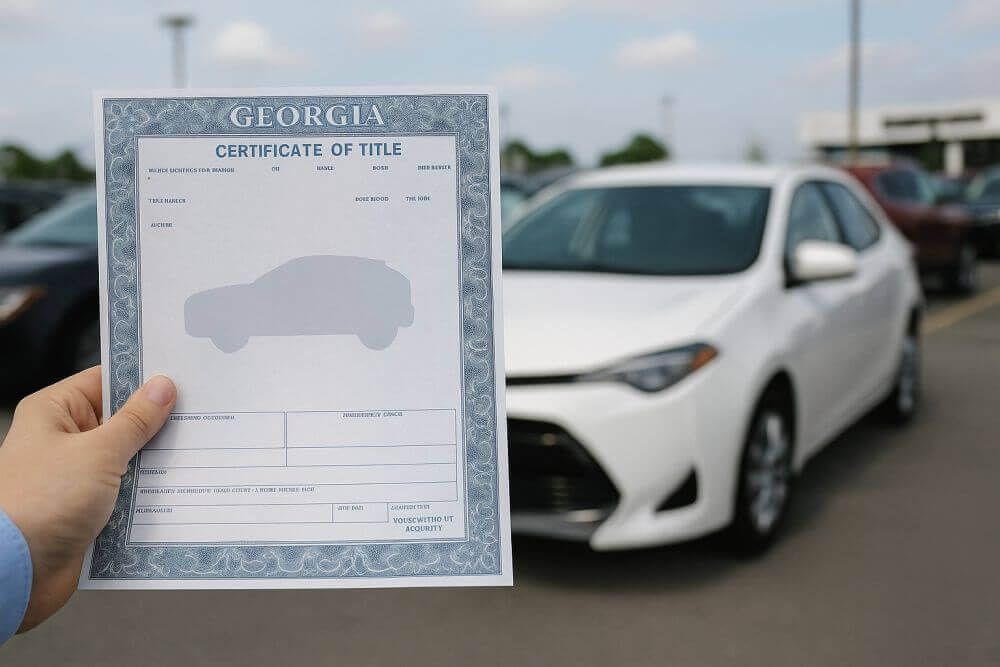
How to Check Title Histories in Georgia
When buying a used car in Georgia, checking the vehicle’s title history is one of the most important steps you can take. A title history reveals crucial information about the car’s past—ownership changes, accident or damage records, title brands (such as salvage or rebuilt), and potential liens. Skipping this step can leave you exposed to hidden problems and unexpected expenses after the sale.
This guide explains exactly how to check title histories in Georgia, what to look for in the records you find, and how to combine official state sources with an online VIN check so you can make a confident, informed decision.
Why You Should Check a Car’s Title History
A vehicle’s title history acts like a permanent record. It helps you uncover red flags that a seller might not disclose, including:
Verifying the title history gives you peace of mind and bargaining power when negotiating with the seller. If the report shows a branded title or major accident history, you can either walk away or factor the risk into your offer.
Step 1: Locate the Vehicle Identification Number (VIN)
Before you can check a title history, you’ll need the Vehicle Identification Number (VIN). This unique 17-character code acts as the car’s fingerprint.
Common VIN locations include:
- The dashboard near the windshield on the driver’s side
- The driver’s side door frame or door jamb sticker
- The vehicle title or registration card
- Your insurance ID card
Pro tip: Never rely only on the VIN listed in an advertisement or text message. Always inspect the VIN directly on the vehicle and make sure it matches the paperwork. Mismatched VINs are a serious red flag.
Step 2: Use Georgia Department of Revenue (DOR) Resources
In Georgia, the Department of Revenue (DOR) oversees vehicle titles through its Motor Vehicle Division. While the DOR does not provide a fully detailed title-history report for free online to the general public, it does maintain official title and lien records.
You can:
To find contact details and procedures, visit the Georgia DOR website and look up your County Tag Office.
Step 3: Order a Vehicle History Report
Official state records confirm the legal status of the title, but they may not show everything that has happened to the vehicle. For a more complete picture, consider ordering a vehicle history report using the VIN.
A quality history report typically includes:
- Title and registration history across all states
- Reported accidents and damage events
- Odometer readings and potential rollbacks
- Salvage, rebuilt, flood, or junk branding
- Lien and loan information (where available)
- Open recalls and sometimes basic service or inspection records
Services like VinCheckPro compile data from multiple sources, including DMVs, insurance companies, and salvage auctions. A vehicle history report helps confirm what you see on the physical title and fills in gaps that sellers may not mention.
Step 4: Check for Liens Separately if Needed
Liens can create serious complications if you don’t catch them before buying. If a lien is still active:
To reduce risk:
- Be cautious about cash deals when the title still shows a lien.
Step 5: Verify the Seller’s Documents
Even if the VIN and online reports look good, you should always inspect the physical title and documents before paying.
Key checks include:
Avoid sellers who hesitate to show the title, provide only photocopies, or insist on “handling the title later.” Legitimate sellers should be transparent and organized.
Additional Tips for Used Car Buyers in Georgia
Using a Free VIN Check as Your First Line of Defense
Before you head to the county tag office or commit to a paid history report, run a quick, free VIN check to screen for obvious red flags.
A free VIN check can help you:
- Confirm basic vehicle specs (year, make, model, trim)
- Spot potential title brands or problem events
- Decide whether it’s worth moving forward with a full report or in-person inspection
You can start with a free VIN-based vehicle history search using a trusted tool like VinCheckPro to see whether the car’s story matches what the seller claims.
Final Thoughts
Checking a vehicle’s title history in Georgia is an essential step in protecting yourself from fraud, undisclosed damage, and costly surprises. By:
- Locating and verifying the VIN
- Using Georgia DOR resources and county tag offices
- Ordering a comprehensive vehicle history report
- Confirming lien status
- Carefully reviewing the seller’s documents
…you give yourself the best chance of making a safe, smart purchase.
Before you commit to any used car in Georgia, take a few minutes to run a free VIN check and review the vehicle’s title history. A small amount of due diligence now can save you thousands of dollars later—and help you drive away with confidence.
About the Author
Chris “Wrench” Dawson
Chris Dawson, known by his customers simply as “Wrench,” is a mobile mechanic who specializes in pre-purchase inspections. He’s crawled under countless used cars in driveways, parking lots, and dealer lots, checking for leaks, frame damage, and lazy repairs. On VinCheckPro.com, Chris shares practical checklists and real-world stories so buyers know exactly what to look, listen, and feel for before buying.