
How to Decode a Tesla VIN and Confirm Its Full Specs
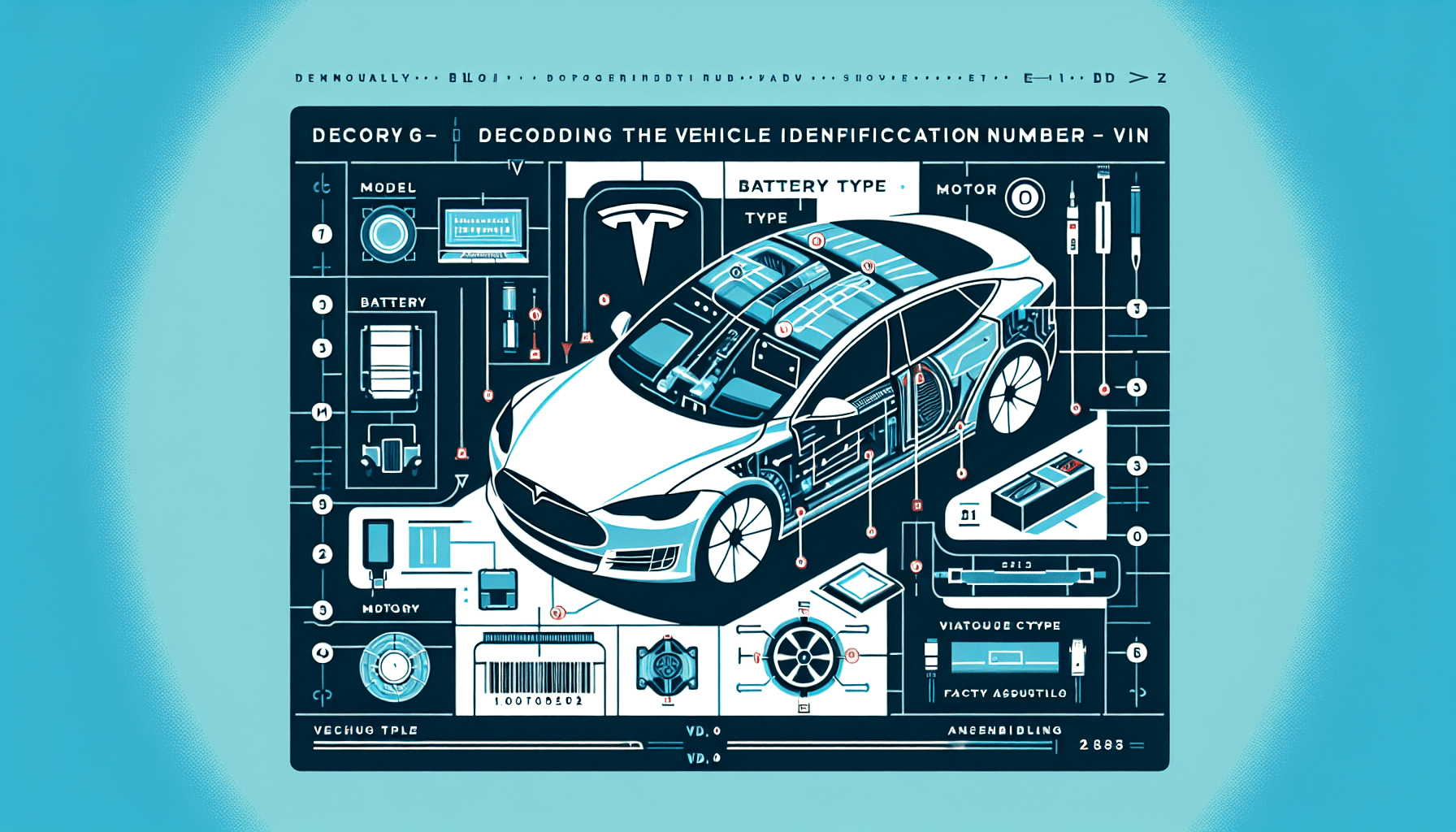
Understanding a Tesla goes beyond judging it by range, trim, or price — the most reliable source of truth is the VIN (Vehicle Identification Number). Tesla VINs reveal more than most automakers, including battery configuration, drive system, factory origin, and build specification. With a quick decode, you can confirm whether a Tesla is truly what the seller claims.
Whether you're shopping for a used EV or verifying your own Tesla, decoding the VIN ensures accuracy — not assumptions.
What Is a Tesla VIN?
Every Tesla comes with a 17‑character VIN, acting as its permanent digital identity. You can locate it:
Tesla’s VIN format follows global VIN standards, but highly detailed EV‑specific segments make decoding especially valuable.
How to Read a Tesla VIN — Full Breakdown
Each part of the VIN tells a story about how the Tesla was built.
1. Characters 1–3: Manufacturer (WMI)
Identifies factory origin + brand.
| Code | Meaning |
|---|---|
| 5YJ | Tesla USA (Model S, X, 3, Y) |
| 7SA | Tesla China (select Model 3/Y) |
| LRW | Giga Shanghai production designation |
2. Characters 4–8: Vehicle Descriptor Section
These digits reveal the most useful EV‑specific details — model, body type, battery size, motor config, restraint system.
Common identifiers:
| Model | Battery/Motor Meaning |
|---|---|
| Model S | P = Performance · B = Standard |
| Model 3 | 3 = Standard Range · E = Long Range · P = Performance |
| Model Y | F = Long Range AWD · P = Performance |
| Model X | E = Long Range · F = Performance |
3. Character 9: Check Digit
Used to verify VIN authenticity — prevents fraud, no spec meaning.
4. Character 10: Model Year Code
| Code | Year |
|---|---|
| M | 2021 |
| N | 2022 |
| P | 2023 |
| R | 2024 |
| S | 2025 |
5. Character 11: Factory Location
| Code | Factory |
|---|---|
| F | Fremont, California |
| A | Austin, Texas |
| C | Shanghai, China |
6. Characters 12–17: Serial / Production Number
Unique to each vehicle — helpful for build sequence and recall matching.
What You Can Confirm from a Tesla VIN
Decoding reveals real‑world specs that matter — especially when buying used.
You can identify:
No more relying on seller descriptions — VIN validation protects you from misinformation.
Why VIN Decoding Is Critical for Used Teslas
Unlike gas vehicles, Tesla value is driven heavily by battery type, motor output, build year, and charging capability — not all trims are equal.
A VIN can reveal:
- Where it was built (possible tax incentive differences)
- Whether the seller is misrepresenting trim or upgrades
A Standard Range priced like a Performance model? VIN decode exposes it instantly.
Decode Your Tesla Instantly — No Manual Guesswork
Instead of interpreting digit sets on your own, you can decode automatically:
🔗 Use the Tesla VIN Decoder to unlock build, battery, and factory specs instantly
A decoded Tesla VIN report includes:
- Model confirmation (3, Y, S, X)
- Battery + motor configuration
- Build year + manufacturing location
- Safety + restraint system type
- VIN validation and spec accuracy
Key Advantages of Running a Tesla VIN Check
- Confirms trim, range class & battery spec
- Protects against misleading used‑EV listings
- Helps compare listings with verified specs
- Determines tax credit eligibility (build‑location dependent)
- Gives confidence before negotiating or buying
Frequently Asked Questions
How do I find the VIN?
Driver‑side windshield, driver‑door jamb, registration, insurance documents.
Can I verify battery type from VIN?
Yes — battery/motor configuration is encoded in digits 4–8. The decoder reveals it clearly.
Does the VIN show Performance models?
Yes — “Performance” identifiers appear in the model‑descriptor section.
Is Fremont vs Shanghai meaningful?
Possibly. U.S. builds may qualify for incentives that China‑built units don’t.
Does Cybertruck VIN decoding work?
Yes — any 17‑digit Tesla VIN can be decoded as models expand.
Final Thoughts
A Tesla VIN is more than a serial number — it’s a blueprint of range, performance, hardware, and build origin. Whether you're browsing used listings or verifying your own EV, decoding the VIN is the fastest way to know exactly what you’re looking at.
Skip assumptions — get facts in seconds.
About the Author
Brandon Lee
Brandon Lee is a classic car restorer and fabricator who spends his time rescuing old metal and rebuilding it piece by piece. He’s dealt with rust-bucket projects, bad bodywork, and cars with confusing chains of ownership. At VinCheckPro.com, Brandon focuses on older vehicles and project cars—explaining how VIN checks, casting numbers, and careful inspection help confirm a car’s true identity and condition.