
How to Find a Car’s Full Specs with Just the VIN — No Dealership Visit Needed
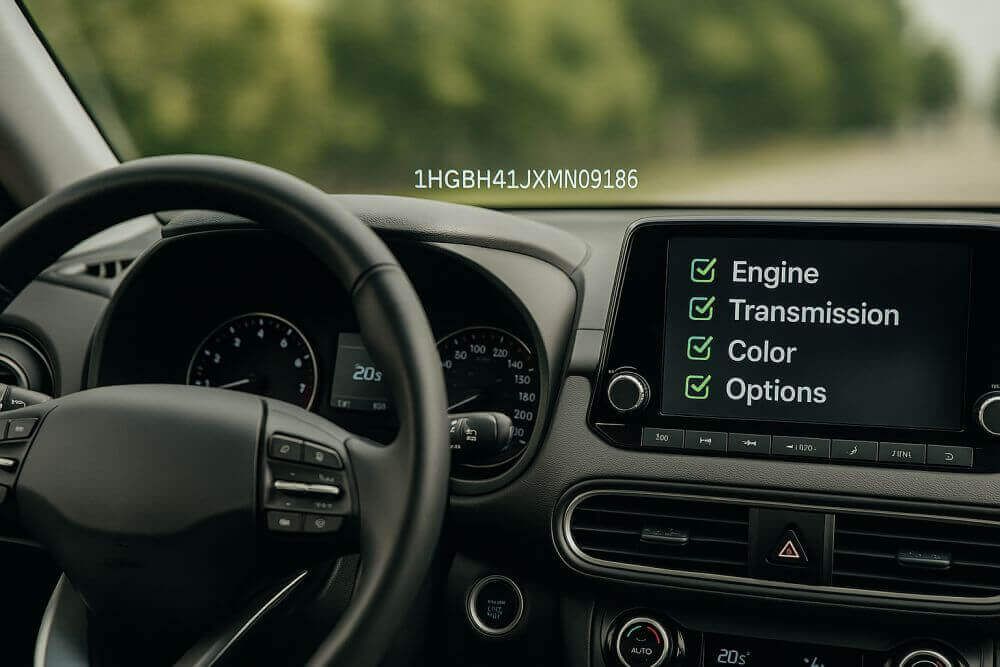
Shopping for a used car? Whether you're browsing online or talking with a private seller, getting the full story about a vehicle’s features is crucial. The problem is that many listings leave out key details — or worse, include inaccurate information. And unless you want to drive around town asking dealers to print window stickers, you’re left guessing about what the car really offers.
There’s a much simpler approach. With one 17-character code — the Vehicle Identification Number (VIN) — you can unlock every factory detail about a car, truck, or SUV in seconds. No salespeople. No pressure. Just clear, verified information that helps you make smarter decisions.
What Is a VIN, and Why Does It Matter?
A VIN is a unique 17-character code assigned to every vehicle when it’s built. Think of it as a digital fingerprint that records the car’s origin, engine type, trim level, safety features, and more.
You’ll typically find the VIN:
- On the dashboard near the windshield (driver side)
- Inside the driver’s door frame or door jamb
- On registration, insurance, or title documents
Beyond simple identification, the VIN is the key to decoding the full factory specs so you can see exactly how the vehicle left the factory.
Why Specs Matter (Especially for Used Cars)
You might assume that a “Honda Civic EX” or “Toyota Camry SE” always comes with the same features, but trim levels and equipment can vary widely by year, package, and market. Some sellers also exaggerate or mislabel trims to make a car seem more valuable than it is.
Knowing the exact specs helps you:
- Avoid overpaying for a car with fewer features than advertised
- Compare vehicles accurately by trim level and option packages
- Choose the best configuration for your needs (for example, AWD vs. FWD, standard vs. upgraded safety package)
- Understand what’s included before you spend time on a test drive or a loan application
Having VIN-verified specs turns a vague listing into a clear, apples-to-apples comparison.
Use Our Vehicle Specs by VIN Tool to Uncover Factory Details Instantly
With just a VIN, you can run a quick, free search that returns a detailed spec sheet, including:
- Make, model, year, and trim level
- Engine size, cylinder count, and transmission type
- Drivetrain (FWD, AWD, RWD, or 4WD)
- Fuel type and tank capacity
- Exterior paint and interior upholstery color
- Towing capacity and tow package details (if applicable)
- Safety and driver-assist features (airbags, ABS, stability control, ADAS systems)
- Infotainment and tech options (touchscreen size, navigation, audio system)
- Wheel and tire specs
🔎 Start here: Use our Vehicle Specs by VIN tool to uncover factory details instantly
Instead of relying on whatever the ad says, you see clean, accurate data pulled from manufacturer and vehicle registry sources.
How to Check Vehicle Specs Using a VIN (Step-by-Step)
Finding full specs with a VIN is straightforward and takes just a couple of minutes.
Step 1: Locate the VIN
Look for the VIN in one of these places:
- Driver-side dashboard, visible through the windshield
- Inside the driver’s door frame or door jamb
- Registration card, insurance papers, or the vehicle title
Make sure you copy all 17 characters exactly — including both letters and numbers.
Step 2: Go to the Vehicle Specs Tool
Visit the VinCheckPro Vehicle Specs by VIN page:
👉
Step 3: Enter the VIN
Paste or type the full 17-digit VIN into the search field and click “Check Now.”
Step 4: Review the Vehicle Report
In seconds, you’ll see a breakdown of the vehicle’s original factory configuration, including:
- Engine and transmission
- Drivetrain and fuel type
- Safety and convenience features
- Interior and exterior options
- Towing, payload, and wheel/tire details (where available)
Use this report to verify the listing, compare similar vehicles, or confirm equipment before negotiating.
Real-World Scenarios Where VIN Specs Make a Difference
1. Buying Online or Out of State
Shopping on marketplace sites or dealer listings in another state? Before you travel or place a deposit, run the VIN. You might discover that the “fully loaded” SUV you’re eyeing is missing key features like a moonroof, navigation, heated seats, or advanced safety tech.
2. Comparing Two Similar Vehicles
Two cars may look identical in photos — same color, same year, same nameplate — but the VIN will show important differences:
- One may have a premium audio system while the other has a base radio
- One may include upgraded safety systems, larger wheels, or AWD
A quick VIN lookup lets you compare trim and package differences with confidence.
3. Checking Towing or Payload Capacity
If you’re buying a truck or SUV to tow a trailer, boat, or camper, guessing is risky. The VIN-based spec sheet shows:
- Engine size and power
- Transmission and axle ratios
- Whether the vehicle includes a factory towing or max tow package
This ensures the vehicle can safely handle the weight you plan to pull.
4. Selling Your Own Car
Listing your car for sale? VIN-verified specs help you stand out:
- You can accurately describe trim, packages, and features
- Buyers can trust that the options you list match the factory build
That transparency builds confidence and attracts more serious buyers.
What If the Seller Refuses to Share the VIN?
That’s a major warning sign. Every vehicle has a visible VIN on the dash, and there’s no legitimate reason for a seller to hide it. If someone won’t share the VIN:
- They may be hiding a branded title (salvage, flood, or rebuilt)
- The car could have accident damage or a mismatch between the title and the vehicle
- The features listed may not match the factory build
In most cases, it’s best to walk away and look for a seller who’s willing to be transparent.
What Specs Can’t the VIN Tell You?
A VIN lookup gives you a powerful snapshot of how the car left the factory, but some details fall outside what the VIN can provide:
- Aftermarket modifications (lift kits, custom rims, upgraded stereos)
- Maintenance records or repair history
- Current condition of wear items (tires, brakes, suspension)
- Accident, insurance, or title issues (unless you pair it with a full history report)
Even with these limitations, VIN-based specs form the foundation for smart decision-making. You’ll know exactly what the vehicle was when new, then you can evaluate its current condition on top of that.
Frequently Asked Questions
What if the VIN is shorter than 17 digits?
Vehicles built before 1981 often used shorter VINs that don’t follow today’s 17-character standard. Most modern VIN lookup tools focus on 17-digit VINs from 1981 and newer, so some classic or antique vehicles may require a specialized decoder.
Can I run a VIN check on a motorcycle or RV?
Yes. As long as it has a 17-digit VIN, you can decode its specs — including many motorcycles, RVs, campers, and trailers.
Are VIN specs free to access?
Yes. VinCheckPro’s Vehicle Specs by VIN tool provides a free spec report based on the VIN. You can optionally upgrade to a premium history report if you also want to see accidents, title issues, and ownership history.
Do VIN specs match what’s on the window sticker?
In general, yes. VIN spec tools decode the same core information that appears on a new vehicle’s Monroney (window) sticker — trim, engine, equipment, and options — but usually exclude pricing.
What if the VIN doesn’t return any results?
First, double-check for typos or missing characters. If the VIN is correct and still doesn’t return results, the vehicle may be:
- Too new and not yet fully populated in public databases
- Too old to be supported by modern tools
- Registered in a market that isn’t fully covered
In those cases, you may need to cross-check with the seller, manufacturer resources, or a different decoding tool.
Final Thoughts
If you’re serious about buying or selling a vehicle, knowing the specs isn’t optional — it’s essential. Don’t rely on vague descriptions or a seller’s memory. Use the VIN to see exactly what’s under the hood, what’s inside the cabin, and what makes that vehicle unique.
Whether you're comparing trims, confirming towing capacity, or double-checking safety features, a VIN-based spec report gives you facts you can trust — instantly and at no cost.
✅ Use our Vehicle Specs by VIN tool to uncover factory details instantly
Start your next car decision with the one piece of information that tells the whole story: the VIN.
About the Author
Brandon Lee
Brandon Lee is a classic car restorer and fabricator who spends his time rescuing old metal and rebuilding it piece by piece. He’s dealt with rust-bucket projects, bad bodywork, and cars with confusing chains of ownership. At VinCheckPro.com, Brandon focuses on older vehicles and project cars—explaining how VIN checks, casting numbers, and careful inspection help confirm a car’s true identity and condition.