
How to Decode a Classic Car VIN — Even Without 17 Digits
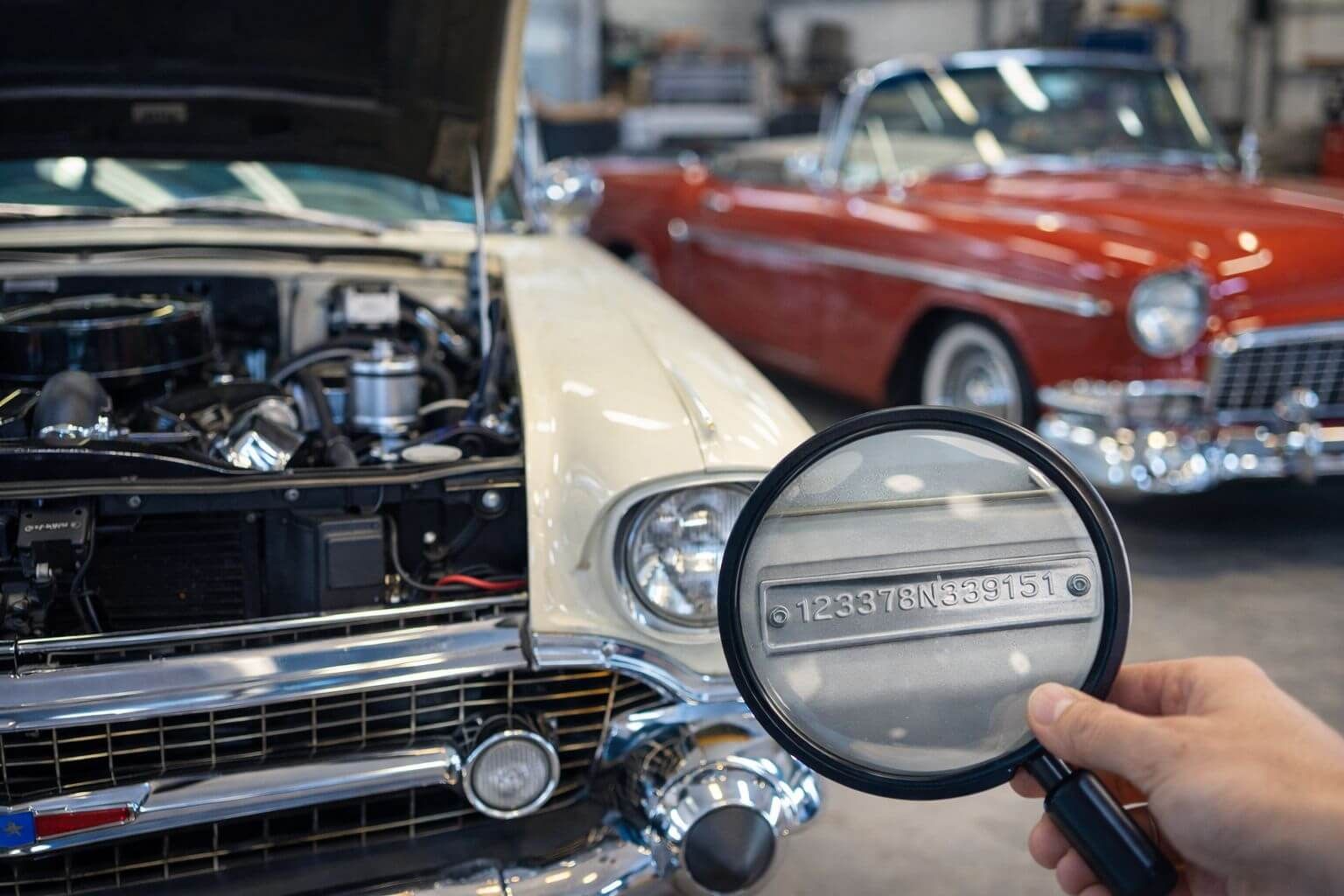
If you’re buying, restoring, or researching a vintage vehicle, you’ve probably run into an old-school VIN that doesn’t look anything like today’s 17-character format. That’s normal.
Before 1981, automakers used shorter, brand-specific VIN systems. These legacy formats can range from just a few characters to 11 or 13, depending on the make, year, and even the assembly plant. The result? Classic VINs can feel confusing—especially when you’re trying to verify originality or confirm a “rare” engine or trim claim.So how do you decode a classic car VIN from 1965, 1970, or the early ’80s?
In this guide, we’ll cover what makes pre-1981 VINs different, what you can still decode from them, where to find them on older vehicles, and how to uncover a car’s factory specs, build plant, engine code, and model year—even if your VIN only has 11 or 13 characters.
When you’re ready to verify the real identity of a vintage ride, you can also use our Classic Car VIN Lookup to decode older formats quickly and confidently.
What Is a Classic Car VIN?
A Vehicle Identification Number (VIN) is a unique alphanumeric code assigned to each vehicle by the manufacturer. Today, vehicles sold in the U.S. follow the standardized 17-digit VIN system. But prior to 1981, there were no federal rules requiring manufacturers to use a single universal format.
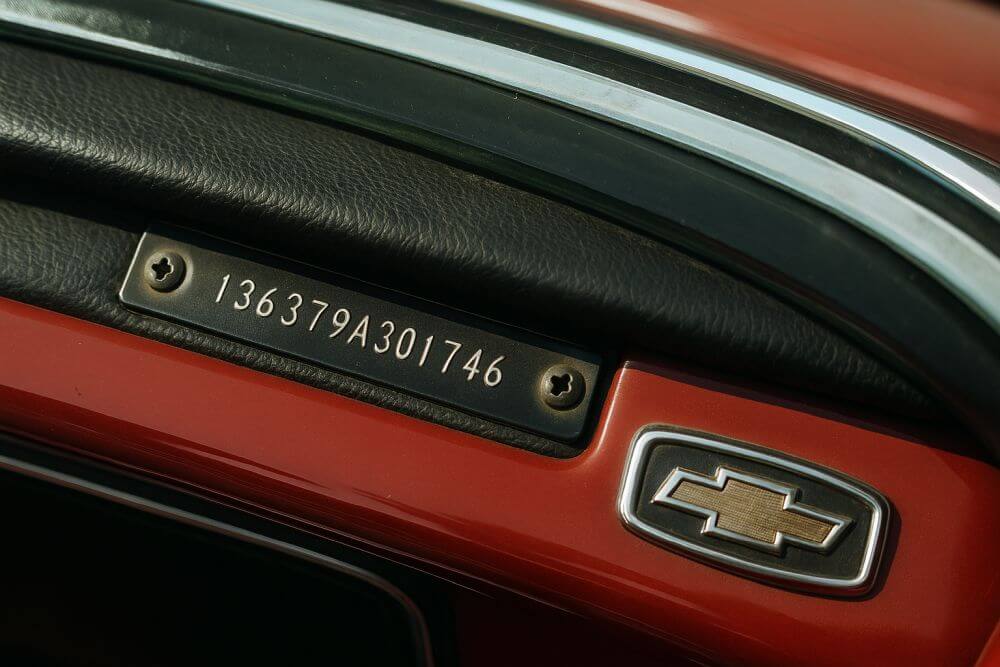 That means:
- Some VINs emphasize engine and body style, while others focus on series or assembly details
Because of these variations, classic VIN decoding isn’t always as simple as plugging a number into a modern tool—unless you’re using a decoder designed for older systems.
Want the easy route? Try our Classic Car VIN Lookup tool to interpret legacy VINs without the guesswork.
Why Decode a Classic VIN?
Whether you’re a collector, buyer, seller, or restorer, decoding a classic VIN helps you protect both your budget and the vehicle’s historical integrity.
It can help you:
For many classic vehicles, the VIN is the starting point for proving the car’s factory-original identity—which can heavily influence restoration decisions and resale value.
VIN Length by Era and Manufacturer (Pre-1981)
While there’s no single rule that fits every brand, these rough ranges help set expectations:
| VIN Length | Timeframe | Notes |
|---|---|---|
| 5–7 characters | 1940s–1950s | Used by Ford, Chevy, Chrysler; often tied to engine, frame, or body numbering practices |
| 11 characters | 1960s–early ’70s | Common among GM, Ford, Chrysler; often includes model, body type, year, plant, and a sequence number |
| 13 characters | Late ’70s | Transitional formats just before the 17-digit standard |
| 17 characters | 1981–present | Universal standardized format adopted across U.S. automakers |
Even within the same manufacturer, VIN logic could vary by model line, plant, or year, which is why classic decoding benefits from a tool that recognizes these older patterns.
What You Can Decode from a Classic VIN
Depending on the brand and year, a pre-1981 VIN may reveal:
- Manufacturer or division
- Model line / series
- Body style
- Engine code (common for muscle-era vehicles)
- Model year
- Assembly plant
- Production sequence
Below are simplified examples to show how classic VIN logic often works.
Chevrolet (1960s–1970s)
Example VIN: 113276W204538
| Digit(s) | Meaning |
|---|---|
| 1 | GM Division (1 = Chevrolet) |
| 13 | Series and trim (varies by year/model) |
| 27 | Body style (27 = 2-door coupe in many references) |
| 6 | Model year (6 = 1966 in this example) |
| W | Assembly plant (W = Willow Run, MI) |
| 204538 | Production serial number |
From this VIN, you can narrow the vehicle to a 1966 Chevrolet with a specific series/body style and a known assembly plant—useful for confirming whether the car matches the seller’s description.
Ford (1960s–1970s)
Example VIN: 1F02R135789
| Digit(s) | Meaning |
|---|---|
| 1 | Model year (1 = 1971) |
| F | Assembly plant (F = Dearborn, MI) |
| 02 | Body code (02 = Mustang Fastback for many references) |
| R | Engine code (R = 428 Cobra Jet in many references) |
| 135789 | Sequential production number |
A VIN like this can reveal a highly collectible combination when the engine and body codes align with period-correct references.
Mopar (Dodge / Plymouth / Chrysler)
Example VIN: RM23H9A123456
| Digit(s) | Meaning |
|---|---|
| R | Car line (R = Plymouth Belvedere/Satellite in many references) |
| M | Price class (M = Medium) |
| 23 | Body style (23 = 2-door hardtop) |
| H | Engine code (H = 383 4-barrel in many references) |
| 9 | Model year (9 = 1969) |
| A | Assembly plant (A = Lynch Road, MI) |
| 123456 | Sequence number |
This structure is why classic-era Mopar decoding is often essential for verifying “real” performance trims versus later clones.
Where to Find the VIN on a Classic Car
Classic VIN placement isn’t standardized the way it is today. Depending on the era and brand, you may find identifiers in several locations:
- Driver’s side dashboard (may not be visible through the windshield)
- Door jamb (driver or passenger side)
- Frame rail or chassis stamping (common on trucks)
- Firewall or cowl tag
- Engine block or transmission case
- Glovebox or inner fender panel (common on some GM lines)
If you’re verifying a numbers-matching claim, it’s smart to check multiple locations for consistent stamping and plate information.
Why Modern VIN Decoders Often Fail on Classic Cars
Most VIN tools are built for post-1981 17-digit standards. When you enter an older VIN into a generic checker, you may get:
- “Invalid VIN” errors
- Missing or incomplete data
- Incorrect vehicle matches
That’s why our Classic Car VIN Lookup tool is built specifically for short, pre-1981 formats, including many systems used by:
- Chevrolet (1940s–1980s)
- Ford / Lincoln / Mercury
- Dodge / Plymouth / Chrysler
- Buick, Pontiac, Oldsmobile, Cadillac
- AMC, Jeep, Studebaker, and more
It helps you translate the structure into a clearer breakdown of model line, engine clues, build plant, and production year—ideal for restorers, buyers, and serious collectors.
If your VIN looks “too short to be real,” you’re exactly the kind of owner this tool was made for: decode your classic VIN here.
Pro Tips for Classic Car Buyers
A vintage badge or fresh paint job doesn’t prove factory originality. Here’s how VIN decoding can protect your purchase:
For big-ticket classics, combine VIN decoding with a careful inspection and supporting documents like build sheets when available.
Decoding Vintage VINs: Common Issues
Even with good references, classic VIN research can hit real-world obstacles:
When this happens, secondary identifiers such as trim tags, cowl tags, build sheets, or original paperwork can help complete the picture.
Final Thoughts: Old VINs, New Insights
Decoding a classic car VIN can feel like detective work—but it’s one of the most rewarding steps in vintage ownership. It helps you confirm authenticity, restore with accuracy, and avoid overpaying for a clone dressed up as something rarer.
Whether you’re chasing a barn find, inspecting a project car, or validating a collector-grade listing, your VIN is the key to the vehicle’s origin story.
No 17-digit VIN? No problem. Use our Classic Car VIN Lookup tool to decode pre-1981 formats quickly—and uncover the factory truth behind your vintage ride.
About the Author
Chris “Wrench” Dawson
Chris Dawson, known by his customers simply as “Wrench,” is a mobile mechanic who specializes in pre-purchase inspections. He’s crawled under countless used cars in driveways, parking lots, and dealer lots, checking for leaks, frame damage, and lazy repairs. On VinCheckPro.com, Chris shares practical checklists and real-world stories so buyers know exactly what to look, listen, and feel for before buying.