
How Seasonal Trends Impact Used Car Values
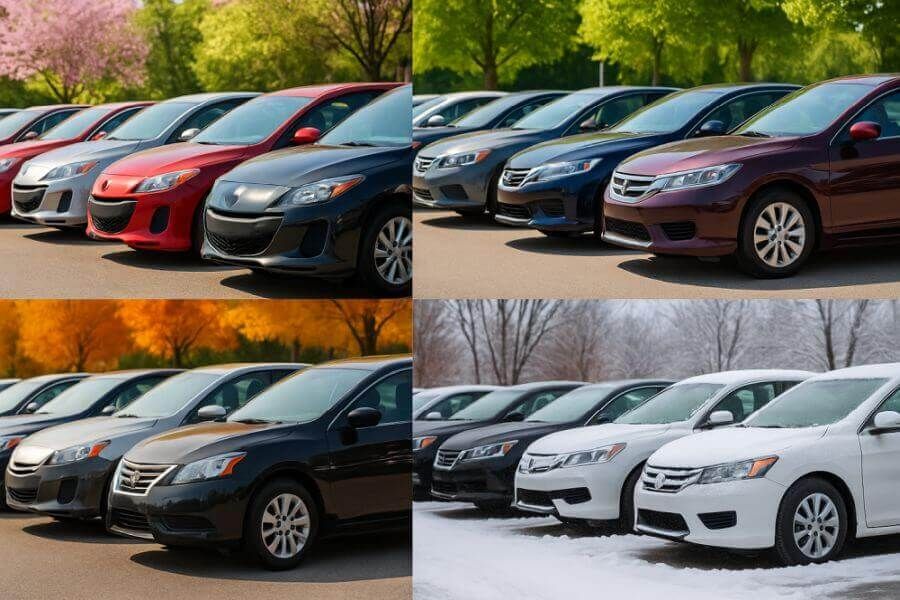
How Seasonal Trends Impact Used Car Values
Understanding how seasonal trends impact used car values is crucial for both buyers and sellers in the automotive market. Car values can fluctuate throughout the year based on demand, weather, and economic activity. For anyone involved in used car research or ownership, being aware of these patterns can help you time a sale or purchase to get the best possible value. Whether you're looking to sell your car or purchase a pre-owned vehicle, conducting a VIN check free is a vital step in ensuring you make the most informed decision.
When it comes to buying or selling a used car, timing is everything. Seasonal trends can significantly impact the market, influencing both car values and availability. Understanding these trends can help you get your car value estimate more accurately and make strategic decisions about when to buy or sell. In this article, we’ll look at how each season affects used car prices and how you can leverage this knowledge for better financial outcomes.
How Seasons Affect Used Car Values
Seasonal trends in the automotive industry are driven by consumer behavior, weather conditions, and broader economic factors. Here’s a breakdown of how each season typically impacts the used car market.
Spring: A Time for New Beginnings
As the weather warms up, many consumers feel the urge to make changes — including upgrading their vehicles. Spring is a popular time for car shopping, which can drive up demand and, consequently, prices.
Key characteristics of the spring market:
- Increased buyer interest due to tax refunds and better weather
- Higher prices driven by competitive demand
- Strong season for selling convertibles, sports cars, and fun weekend vehicles
If you’re looking to sell, spring can be an excellent time to list your car and capture motivated buyers.
Summer: Peak Buying Season
Summer is synonymous with road trips, vacations, and family travel, which naturally increases demand for reliable vehicles. As a result, summer months often see a spike in used car sales, particularly for family-friendly models and SUVs.
Common trends in summer:
- High demand for SUVs, minivans, and family cars
- Prices tend to peak due to increased buyer activity
- Great time to sell if you want to maximize your sale price
From a buyer’s perspective, you’ll have plenty of choices — but you may pay a premium compared to quieter months.
Fall: A Buyer’s Market
As summer ends, the market begins to cool down, making fall an optimal time for buyers. Dealers and private sellers alike are more motivated to negotiate, particularly as they prepare for year-end and possible inventory changes.
What to expect in fall:
- Lower prices as dealers offer discounts to clear inventory
- Less competition among buyers
- Ideal time for purchasing a used vehicle, especially if you’re flexible on color and trim
If you’re not in a rush to buy, waiting until fall can often yield better deals than peak seasons.
Winter: A Slow but Strategic Season
Winter months usually see a dip in car sales due to harsh weather, shorter days, and holiday-related spending priorities. However, this slower period can be a strategic time for buyers who are willing to shop in less-than-ideal conditions.
Typical winter patterns:
- Lower prices due to decreased demand
- Potential for great deals on older models and less in-demand body styles
- Challenging weather may deter some buyers, giving you more negotiating power
For sellers, winter may not deliver top dollar, but motivated buyers are often serious and ready to move quickly.
The Role of VIN Decoding in Understanding Car Value
Regardless of the season, decoding a VIN is an essential step in assessing a used car’s value. A Vehicle Identification Number (VIN) provides a comprehensive history snapshot, revealing critical details about the car’s past, including:
- Reported accidents or damage
- Title issues (salvage, rebuilt, flood, lemon, etc.)
- Prior registrations and ownership changes
- Mileage readings at key points in time
This information is invaluable for anyone looking to understand a vehicle’s true worth.
Using a VIN decoder can help you verify:
- The car’s exact specifications (engine type, trim level, options)
- That the vehicle matches the seller’s description
- Whether its price makes sense based on real history and features
For a reliable and free tool, consider using VinCheckPro’s free VIN decoder to get a detailed report on any vehicle before you buy or sell.
Timing Your Purchase or Sale for Maximum Value
Knowing when to buy or sell a used car can make a significant difference in the price you pay or receive. By combining seasonal insights with VIN-based research, you can plan your moves more strategically.
A few practical tips:
No matter the season, always use a VIN check and car value tools to compare the asking price with a data-backed estimate and the vehicle’s documented history.
Frequently Asked Questions
What is the best time of year to buy a used car?
Fall and winter are generally the best times to buy a used car due to lower prices and less competition. Dealers and sellers are more willing to negotiate to clear out inventory and finalize year-end sales.
How does a VIN decoder help in car valuation?
A VIN decoder provides detailed information about a vehicle’s history and specifications, including accidents, title brands, and ownership changes. This data is crucial for assessing the car’s true value and ensuring you pay a fair price.
Why do convertible prices rise in spring?
Convertible prices often rise in spring because improving weather increases demand for open-top driving experiences. More buyers are interested in fun, seasonal vehicles, which pushes prices up.
Are there specific months that are better for selling certain types of cars?
Yes. Spring and summer are ideal for selling convertibles and sports cars, while family cars and SUVs often sell well before major travel seasons. Late summer and early fall can be strong for buyers seeking deals on outgoing models.
How can I determine the best price for my used car?
Use VIN decoding and online valuation tools to get an accurate estimate of your car’s worth. Factor in seasonal trends, local market conditions, mileage, and condition to set a competitive, realistic price.
About the Author
Chris “Wrench” Dawson
Chris Dawson, known by his customers simply as “Wrench,” is a mobile mechanic who specializes in pre-purchase inspections. He’s crawled under countless used cars in driveways, parking lots, and dealer lots, checking for leaks, frame damage, and lazy repairs. On VinCheckPro.com, Chris shares practical checklists and real-world stories so buyers know exactly what to look, listen, and feel for before buying.