
How to Register an Out-of-State Car in California (2025 Guide)
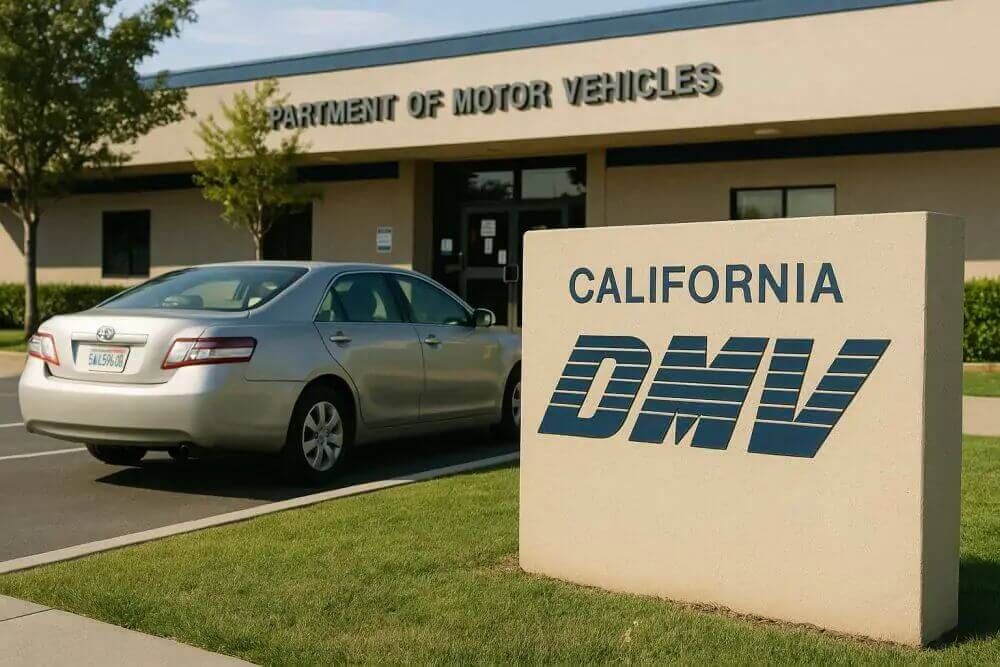
How to Register an Out-of-State Car in California (2025 Guide)
Moving to California or buying a car from another state? Understanding how to register an out-of-state car in California can save you time, fees, and headaches. This 2025 guide explains the documents you need, smog and emissions rules, VIN verification, fees and taxes, and what to do if there’s a lien on the title.
What Counts as an Out-of-State Vehicle—and Why It Matters
An out-of-state vehicle is any car, truck, SUV, or motorcycle last titled or registered in another state or country. When you bring it to California or buy it from an out-of-state seller, you’ll need to complete an initial California registration.
For most new residents, you must register within 20 days of establishing residency or accepting employment in the state. If you’re a dealer or private buyer importing inventory or a recent purchase, you should begin the process immediately to avoid penalties.
A few terms you’ll see in this guide:
- VIN: The Vehicle Identification Number is a 17-character code that uniquely identifies the vehicle. It’s used for title, registration, theft prevention, and recalls.
- Title brand: A permanent label on a title record, such as “salvage,” “rebuilt,” or “flood,” that signals significant prior damage or status.
- Lien: A lender’s legal claim to the vehicle until the loan is paid. If there’s a lien, the lender often holds the title.
- Vehicle history report: A compiled record of title events, brands, odometer readings, prior damage, and registrations. It helps verify a car’s background before you register.
California’s Out-of-State Registration Checklist (2025)
Here’s what most applicants need when registering an out-of-state car with the California DMV:
- Completed Application for Title or Registration (REG 343)
- Out-of-state title (or current registration if the title is held by a lienholder)
- Valid government ID and California address
- California insurance that meets state minimums
- VIN verification (REG 31) by DMV, CHP, or a licensed verifier
- Smog certification (if required for your vehicle type and model year)
- Odometer disclosure (generally required for most 2011 and newer vehicles; older vehicles may be exempt)
- Weight certificate for certain commercial pickups
- Fees and use tax payment
If the vehicle has a lien, bring the lienholder’s name and address. The DMV may contact the lienholder to obtain the title.
The 7,500-Mile Rule and Emissions Certification
California has strict emissions standards. The key point: a vehicle with fewer than 7,500 odometer miles is treated as a “new” vehicle for emissions purposes. If it is not California emissions certified, the DMV will generally not register it unless an exemption applies.
Look under the hood for the emissions label. It should say “California” or “50-state”/“CARB compliant.” Vehicles not meeting California standards must usually have 7,500 miles or more to be eligible for registration.
Electric vehicles are typically exempt from smog checks. Gasoline vehicles 1976 and newer and many diesel vehicles require a smog certification for initial registration, with specific exemptions by age, weight, and model year. Always verify current rules with the DMV before you schedule an appointment.
Where to Get VIN Verification and Smog
Most out-of-state cars require a VIN verification. You can do this at a DMV field office, with the California Highway Patrol (CHP) by appointment, or through a licensed vehicle verifier. This inspection confirms the VIN matches your paperwork and that there are no signs of tampering.
For smog, use a licensed Smog Check station. Keep the certificate or ensure it’s electronically transmitted to the DMV.
Fees, Taxes, and Penalties
Expect to pay a combination of fees, including:
- Registration fee
- California Highway Patrol (CHP) fee
- Vehicle License Fee (VLF)
- Title fee
- Smog-related fees (if applicable)
- Use tax (based on your local sales tax rate)
Use tax is generally due if the vehicle was purchased outside California and brought into the state. In some cases, a credit may apply for tax paid to another state or for certain out-of-state use periods. Because tax rules change and vary by situation, consult the DMV or the California Department of Tax and Fee Administration (CDTFA) if you think you qualify for an exemption or credit.
If you miss the 20-day window after establishing residency, late penalties may apply. Dealers should plan for additional fees for inventory or wholesale transfers depending on transaction type.
Step-by-Step: How to Register an Out-of-State Car in California
1) Gather your documents. Collect your out-of-state title, bill of sale, loan or lease paperwork, proof of insurance, and a valid ID. If there’s a lien, bring the lienholder’s contact details.
2) Confirm emissions eligibility. Verify the emissions label and odometer reading. If under 7,500 miles and not California emissions certified, registration may be denied absent an exemption.
3) Get a VIN verification. Schedule with the DMV, CHP, or a licensed verifier to complete form REG 31.
4) Obtain a smog certificate if required. Complete a Smog Check at a licensed station. Hybrid and gasoline models are commonly subject to testing; diesels depend on model year and weight.
5) Complete the application. Fill out REG 343. Provide odometer disclosure as required.
6) Visit the DMV or an authorized service provider. Submit your documents, pay fees and use tax, and request license plates. Some applicants may receive a Temporary Operating Permit while awaiting title resolution.
7) Track your title. If a lienholder holds the title, the DMV will request it to update California records. Keep your receipt as proof.
Special Situations: Buyers, Sellers, and Small Dealers
- Private buyers: Verify the vehicle’s VIN and emissions label before purchase. If the car fails the 7,500-mile rule or has a branded title, registration may be delayed or denied.
- Sellers: Provide a complete, signed bill of sale, a clear title (or lienholder details), and disclose known title brands. If you recently moved to California, consider registering the vehicle before selling to reduce buyer uncertainty.
- Small dealers: Keep REG 31 verifications organized, maintain a list of trusted smog stations, and pre-screen inventory for title brands and liens. For wholesale transactions, ensure odometer disclosures comply with federal rules.
Common Pitfalls That Delay Registration
- Missing title or unresolved lien with an out-of-state lender
- Failing the 7,500-mile rule for non-CARB vehicles
- Skipping VIN verification or using incomplete forms
- Smog failures or expired certificates
- Incorrect use tax calculations or missing exemption documentation
Plan ahead, verify your emissions label, and gather lienholder details before you visit the DMV.
Research Before You Register: A Practical Workflow Using VinCheckPro-Style Tools
Even when you already own the car, a quick research pass can prevent surprises at the DMV. Here is a safe, step-by-step process you can use before you commit—or before you book your appointment.
1) Collect and verify the VIN. Locate the VIN on the dashboard near the windshield, the driver’s door jamb, and the title or registration. Make sure they match. A mismatched or altered VIN can stop registration and may indicate theft or fraud.
2) Run a VIN check. Use a free VIN check tool on VinCheckPro.com to search for title events, prior accidents, recalls, and potential theft records. This early check flags issues that can complicate smog, insurance, or DMV processing. You can also use a free VIN check to confirm make, model, and year details.
3) Perform a license plate lookup (if available). Running a license plate search can surface recent registration details tied to the tag. If the plate has been recycled or doesn’t match the VIN, address that before going to the DMV.
4) Review title records and key data in a vehicle history report. A full vehicle history report summarizes title brands (salvage, rebuilt, flood), lien records, prior damage, odometer readings, and past registrations. Confirm there are no undisclosed liens and that the odometer readings are consistent. If you’re new to this process, consider browsing VinCheckPro’s vehicle history resources for what to watch.
Why it matters: These steps reduce the risk of buying a car you can’t register, paying unexpected repairs due to prior damage, or getting stuck in a lien dispute that delays your California title.
Odometer, Title Brands, and Lien Considerations
Odometer disclosure is federally required for most vehicles up to 20 model years old. If the seller didn’t provide it, ask for a compliant disclosure statement. Inconsistent odometer readings may trigger additional DMV scrutiny.
Title brands can affect insurance and financing. Salvage, rebuilt, flood, and lemon buyback brands stay with the vehicle permanently. A rebuilt or salvage title doesn’t automatically block California registration, but you may need extra inspections or documents.
If there’s a lien, your title will list the lienholder until the loan is paid off. For out-of-state titles, be prepared for mailing delays while the DMV secures the physical title. Having the lender’s correct contact information speeds things up.
Temporary Operating Permits and Timing
If you’ve submitted your paperwork and passed required inspections but still need to finalize smog or wait for a title, you may be eligible for a Temporary Operating Permit (TOP). DMV staff issue these at their discretion to allow limited driving while you complete requirements.
New residents should aim to complete everything within 20 days of arrival to avoid penalties. Dealers and sellers should plan time for VIN verification and emissions checks before listing a vehicle for sale.
Tips to Speed Up Your DMV Visit
- Book an appointment and arrive with all original documents plus copies.
- Bring the out-of-state title or registration and lienholder info.
- Confirm your insurance is active and updated with your California garaging address.
- Have your VIN verification and smog certificate in hand when possible.
- Use DMV forms REG 343 and, if needed, REG 256 (Statement of Facts) to document exemptions or corrections.
When Your Vehicle Can’t Be Registered Right Away
Some vehicles can’t be registered in California without additional steps:
- Under 7,500 miles and not California emissions certified
- Gray-market imports without federal and California compliance
- Vehicles with tampered or unreadable VINs
In these cases, consult the DMV or CHP about next steps. If the issue is emissions-related, the resolution may involve proving mileage, verifying labels, or waiting until the vehicle crosses the 7,500-mile threshold.
Digital Tools Worth Bookmarking
- DMV fee calculators and field office locators are helpful for planning.
Frequently Asked Questions
How long do I have to register after moving to California?
Most new residents must register within 20 days of establishing residency or accepting employment in California. Late registration can lead to penalties, so start the process as soon as you arrive.
Do I need a Smog Check for an out-of-state vehicle?
Usually yes, unless your vehicle is exempt (for example, many electric vehicles, certain older diesel models, or vehicles beyond specific model-year thresholds). For most gasoline vehicles 1976 and newer, a Smog Check is required at initial registration.
What is the 7,500-mile rule?
California generally won’t register a vehicle with fewer than 7,500 miles unless it is California emissions certified. Check the under-hood label for “California” or “CARB” compliance.
Can I register a car if the lender still holds the title?
Yes, if you provide accurate lienholder information. The DMV will work with the lender to obtain the title and update California records. Expect extra time for processing.
How much will it cost to register an out-of-state car?
Costs vary by vehicle value, location, and needs (title, VLF, CHP fees, Smog Check, and use tax). Use tax is generally due, but credits or exemptions may apply in specific cases.
Final Thoughts: Make California Registration Smooth and Low-Risk
Understanding how to register an out-of-state car in California protects your time and money. Buyers, sellers, and small dealers benefit from verifying emissions eligibility, completing VIN verification and smog early, and arriving at the DMV with the right forms.
Always research the vehicle first. Run a VIN check, do a plate lookup, and review title records for brands, liens, and odometer issues before you move forward. Apply the workflow above to your current or next vehicle, and you’ll be ready for a smooth, lawful registration process.
About the Author
Brandon Lee
Brandon Lee is a classic car restorer and fabricator who spends his time rescuing old metal and rebuilding it piece by piece. He’s dealt with rust-bucket projects, bad bodywork, and cars with confusing chains of ownership. At VinCheckPro.com, Brandon focuses on older vehicles and project cars—explaining how VIN checks, casting numbers, and careful inspection help confirm a car’s true identity and condition.