
How to handle emissions and inspections in Virginia
How to Handle Emissions and Inspections in Virginia
In Virginia, understanding how to handle emissions and inspections is crucial for vehicle buyers and owners, especially when dealing with used cars. The state’s environmental regulations require many vehicles to undergo emissions testing to ensure they comply with local and federal standards, which is a key consideration during both the purchase and ownership process. For those exploring a car VIN search, knowing a vehicle's compliance with these inspections can provide valuable insights into its condition and history.
Emissions inspections are particularly important in several regions of Virginia, where air quality standards are stricter. Whether you're buying a used car or ensuring your current vehicle remains compliant, navigating this process efficiently can save both time and money. Additionally, conducting a thorough Virginia license plate search can provide further information about the vehicle's registration and inspection history.
Understanding Virginia's Emissions and Inspections Requirements
Virginia mandates emissions inspections for vehicles registered in certain areas, primarily those surrounding major metropolitan regions like Northern Virginia. These inspections are designed to reduce air pollution and ensure vehicles meet federal and state emissions standards.
If you are purchasing a used car in Virginia, checking the vehicle's inspection status is critical. This can often be done through:
- A vehicle history report
- A Virginia license plate lookup
This information helps confirm whether the vehicle is up to date with emissions and safety requirements.
Steps to Complete an Emissions Inspection
If your vehicle is registered in an emissions-required area, follow these steps to stay compliant:
Vehicles registered in specific regions — such as Arlington, Fairfax, Loudoun, Prince William, and Stafford counties, as well as certain cities and nearby jurisdictions — typically require emissions testing. Check your registration renewal notice or the Virginia DMV website for confirmation.
Locate a nearby certified station. These are often found at service centers, dealerships, or specialized inspection facilities clearly marked as Virginia emissions inspection stations.
Although walk-ins are often welcome, scheduling an appointment can save time. Make sure your vehicle is in good working condition (no check engine light, recent maintenance completed) to improve your chances of passing on the first attempt.
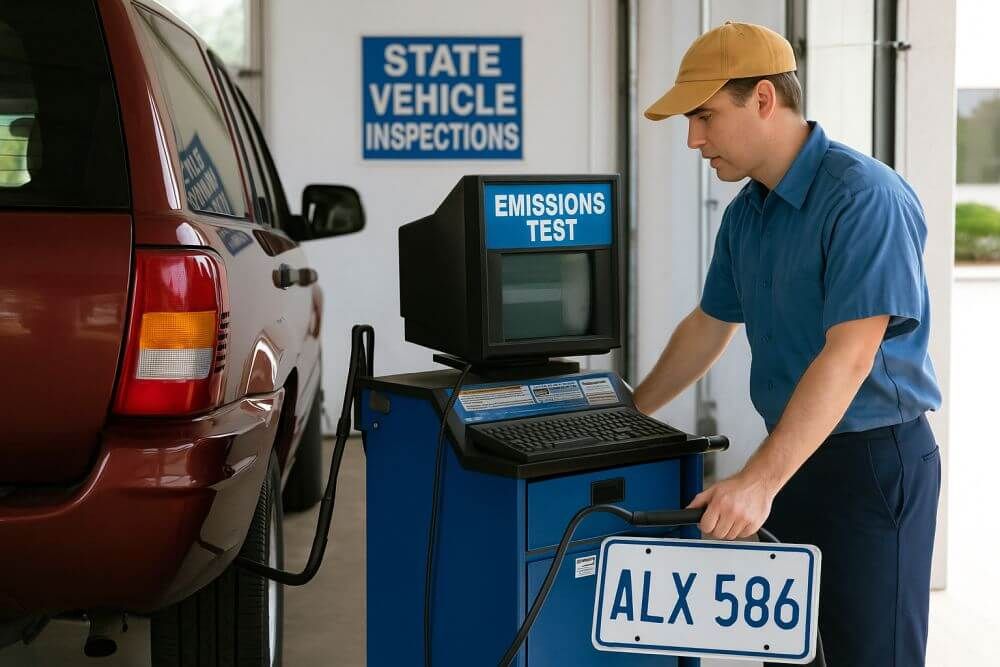
During the test, technicians will check emissions-related systems and may connect your vehicle to diagnostic equipment. If the vehicle fails, you’ll receive a report outlining what needs to be repaired before a retest.
Once your vehicle passes, you will receive an emissions inspection certificate, and the result is typically transmitted electronically to the DMV. A passing result is required for registration or renewal in affected areas.
Using a VIN Decoder for Emissions and Inspections
When buying a used car, a VIN decoder is an invaluable tool. It provides a deeper look into the vehicle’s background, including details that can relate to emissions and inspection readiness. A VIN-based report can reveal:
- Prior registrations and states where the vehicle was titled
- Brandings such as salvage, rebuilt, or flood
- Reported mileage patterns that may impact inspection results
- Recall information that could affect emissions-related components
This information can be vital in assessing whether a car has been properly maintained and whether it is likely to comply with Virginia's emissions standards.
The VIN decoder at VinCheckPro can help you verify a vehicle's history and specifications, giving you more confidence before you register or purchase it in Virginia.
Common Questions About Emissions and Inspections in Virginia
What vehicles are exempt from emissions inspections in Virginia?
In Virginia, certain vehicles are typically exempt from emissions testing, such as very new vehicles (within their first few model years), diesel-powered vehicles below specific weight classes, fully electric vehicles, and older vehicles over a set age (often around 25 years). Always confirm the latest exemption rules with the Virginia DMV or Department of Environmental Quality.
How often are emissions inspections required in Virginia?
Emissions inspections are usually required every two years for vehicles registered in designated localities, primarily in Northern Virginia and surrounding regions. Staying current with your inspection schedule helps you avoid penalties and registration issues.
What happens if my car fails the emissions inspection?
If your car fails its emissions test, you must repair the identified issues and then have the vehicle re-inspected. In some cases, the state may offer waivers or financial assistance if repair costs exceed certain thresholds, but you’ll need to keep all documentation and follow DEQ guidelines.
Can I transfer an out-of-state inspection to Virginia?
No. Virginia does not accept out-of-state emissions inspections. Vehicles must be tested at a certified Virginia station to ensure they meet the state’s specific standards and reporting requirements.
How do I find an emissions inspection station in Virginia?
You can find a certified emissions inspection station by visiting the Virginia Department of Environmental Quality or DMV websites, or by checking with local service centers and dealerships. Many facilities clearly advertise that they perform official Virginia emissions testing.
For vehicle buyers and owners in Virginia, handling emissions and inspections properly is essential for compliance and peace of mind. Utilizing tools like the VIN decoder from VinCheckPro can streamline this process, offering detailed insights into a vehicle's history and helping ensure it meets all required standards. Visit VinCheckPro to access this valuable resource today.
About the Author
Ryan Cole
Ryan Cole is a European car specialist who has spent years working on German and other Euro brands in independent repair shops. From high-mileage diesel wagons to turbocharged hot hatches, he knows how maintenance—or the lack of it—shows up both in service records and in expensive repairs later on. On VinCheckPro.com, Ryan helps buyers understand how to read a VIN report alongside maintenance history, especially for used European cars.