
How much does it cost to register a car in Texas?
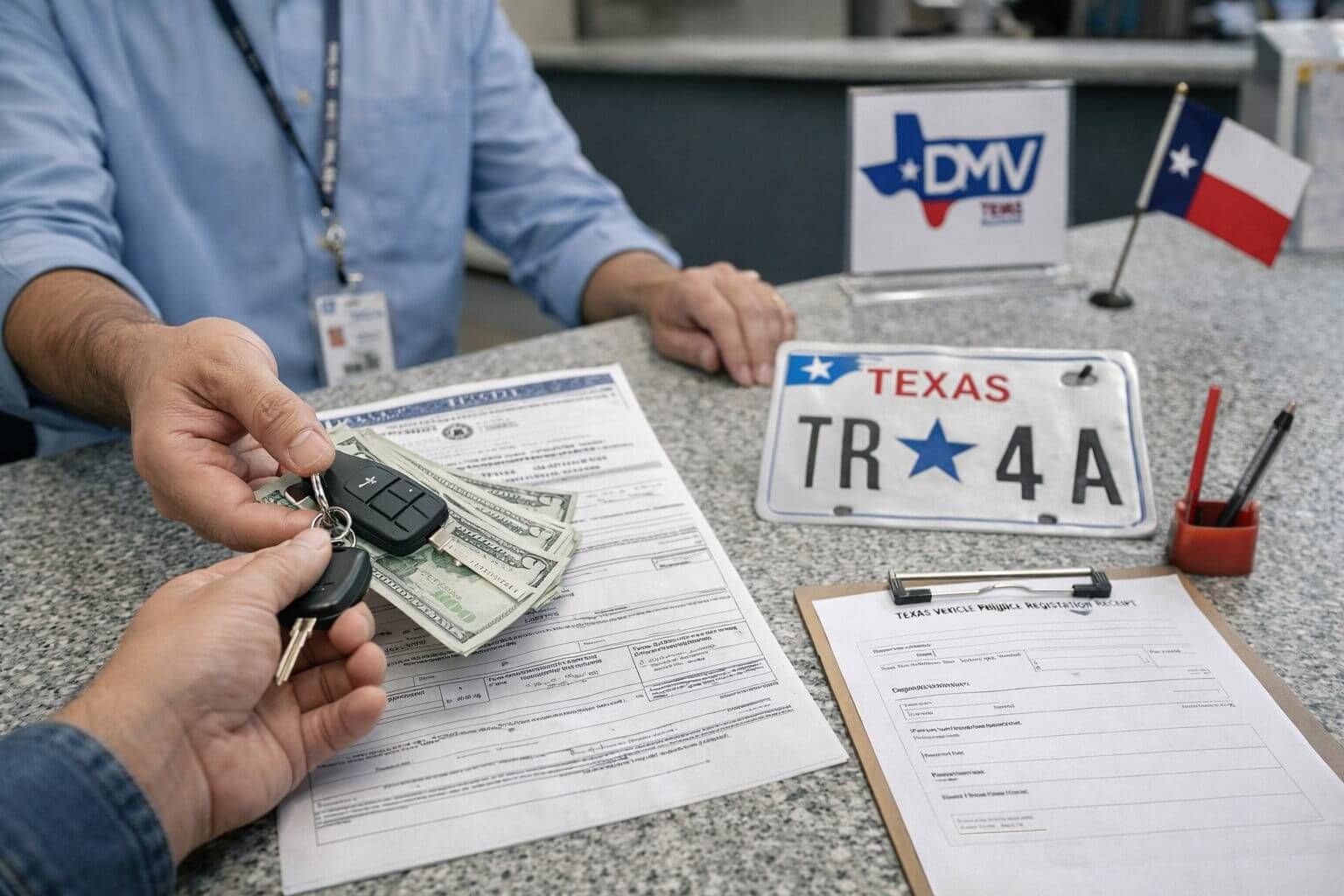
How Much Does It Cost to Register a Car in Texas?
Understanding the cost to register a car in Texas is an important part of vehicle ownership, especially if you are buying a used car, moving to Texas, or preparing for your annual renewal. Registration costs are not always a single flat number. They can vary depending on the type of vehicle you own, the county where you register it, whether emissions testing applies, and whether other fees are added at the time of processing.
If you are buying a used vehicle, it is smart to verify the car before paying registration-related costs. A free VIN check can help confirm the vehicle’s background, while a Texas license plate lookup can help you cross-check ownership-related details and spot possible record mismatches before you visit the county tax office.
What Determines Car Registration Cost in Texas?
Texas registration fees are affected by several factors, and understanding them makes the total easier to estimate.
Vehicle Type and Weight
For most passenger cars and lighter pickup trucks, the base registration fee is the same. Heavier trucks, certain commercial vehicles, trailers, motorcycles, and other classifications have different fee schedules. In other words, the amount for a standard sedan is not always the same as the amount for a heavier truck or specialty vehicle.
County of Registration
Counties may add local fees, which is why two drivers with similar vehicles can still pay different totals. Local charges often include county road and bridge fees and other county-authorized additions.
Inspection and Emissions Requirements
As of January 1, 2025, Texas no longer requires most non-commercial vehicles to pass a safety inspection before registration. However, most non-commercial vehicles still pay an inspection program replacement fee when they register.
If you live in an emissions county, your vehicle may still need a passing emissions test before registration or renewal. That means some Texas drivers will pay an additional emissions-related amount, while others will not.
New Resident or Special Vehicle Status
If you are moving to Texas from another state, additional title and tax-related charges may apply when you first register your vehicle. Fully electric vehicles can also face extra fees beyond the standard registration amount.
Standard Texas Car Registration Fees
For most passenger vehicles, the current fee structure generally looks like this:
Because counties and vehicle types differ, your final amount may be noticeably higher than the base fee shown in general fee tables.
What Most Texas Drivers Actually Pay
When people ask how much it costs to register a car in Texas, they usually want the realistic total, not just the base figure.
For a standard non-commercial passenger vehicle, many drivers will pay the $51.75 state registration amount, plus the $7.50 replacement fee, plus county fees, and sometimes emissions-related charges. That means many registrations land above the base state fee once all required items are added.
If the vehicle is electric, newly brought into Texas, or registered in a county with added local costs, the total can be higher.
How to Register a Car in Texas
Step 1: Make Sure Ownership Documents Are Correct
Before registration, confirm that the title is properly assigned to you if the vehicle was purchased from a private seller. Any lien information should also be properly disclosed.
If you are buying used, this is also the right time to review a vehicle history report so you do not register a vehicle with hidden title issues, accident history, or other ownership-related problems.
Step 2: Confirm Inspection or Emissions Requirements
Most non-commercial vehicles no longer need a safety inspection before registration. However, emissions testing is still required in certain counties. If your county requires it, make sure the vehicle passes emissions testing before you try to register or renew.
Step 3: Complete Form 130-U if Required
If you are titling and registering a vehicle, complete the Application for Texas Title and/or Registration, commonly known as Form 130-U.
Step 4: Provide Proof of Insurance
Texas requires proof of valid liability insurance for registration. Make sure the policy information is current and matches the vehicle you are registering.
Step 5: Bring Your Documents to the County Tax Office
Depending on the transaction, you may need:
- Vehicle title
- Form 130-U
- Proof of insurance
- Emissions-related documentation if applicable
- Identification
- Payment for fees and taxes
Most first-time registrations and ownership-related filings are handled through the county tax assessor-collector’s office.
Step 6: Receive Your Registration Receipt and Sticker
Once processed, you will receive your registration documentation. If plates need to be issued or replaced, that will also be handled as part of the registration transaction.
Why VIN Decoding Matters Before Registration
Registration only puts the vehicle into the state system under your name. It does not guarantee that the car has a clean history or that the seller represented it honestly.
That is why buyers should review the vehicle before paying registration-related costs. A VIN decoder can help verify the year, make, model, trim, engine, and other identity details. This is especially useful when comparing the vehicle, title, listing, and seller statements.
For deeper risk screening, a buyer may also want to run a title check by VIN to look for title-brand issues and a recall check by VIN to see whether there are unresolved safety recalls before registration is completed.
Common Registration Scenarios in Texas
Registering a Used Car Purchased in Texas
This is one of the most common situations. The buyer may need to handle title transfer, registration fees, taxes, county fees, and insurance documentation at the same time.
Moving to Texas From Another State
New Texas residents often face additional title and tax-related steps when registering an out-of-state vehicle. The total can differ from a standard annual renewal.
Renewing a Current Registration
Renewals are generally more straightforward than first-time registrations. In many cases, eligible drivers can renew online, but emissions compliance still matters in counties where testing is required.
Registering an Electric Vehicle
Fully electric vehicles may owe an additional EV fee on top of normal registration charges. This can significantly increase the final amount due compared with a gasoline vehicle.
Frequently Asked Questions
What is the base registration fee for a car in Texas?
For most passenger cars and lighter pickup trucks, the base registration fee is $50.75. With the $1 TexasSure charge, the core state registration total is $51.75.
Do I still need a safety inspection to register a car in Texas?
For most non-commercial vehicles, no. Texas ended the general safety inspection requirement for most non-commercial vehicles beginning January 1, 2025. However, most still pay the $7.50 inspection program replacement fee, and emissions testing still applies in certain counties.
Why is my total registration cost higher than the base fee?
Your final cost can include county fees, the inspection replacement fee, emissions-related charges, processing fees, plate-related fees, or electric vehicle fees.
Can I register a vehicle online in Texas?
Many eligible renewals can be completed online. However, first-time registrations, title transfers, and some special situations usually require county office processing.
What documents are usually required to register a vehicle in Texas?
Common requirements include the title, Form 130-U when applicable, proof of insurance, identification, and emissions-related documentation if your county requires emissions testing.
Final Thoughts
The cost to register a car in Texas depends on more than the headline fee. For most standard passenger vehicles, the core state amount starts with the $50.75 base fee plus $1 for TexasSure, and most non-commercial vehicles also owe the $7.50 inspection replacement fee. On top of that, county and emissions-related charges can increase the total.
If you are buying a used car, do not focus only on registration costs. Make sure the vehicle is worth registering in the first place. Running a VIN-based background check before you pay taxes, title fees, and registration charges can help you avoid expensive mistakes.
About the Author
Jake Turner
Jake Turner is an ASE-certified master mechanic with over 18 years in independent shops and dealership service bays. He’s inspected thousands of used cars, from budget commuters to ex-fleet workhorses, and has a knack for spotting issues that never show up in glossy ads. On VinCheckPro.com, Jake explains how to connect what you see in a VIN report with what you should check under the hood, on the lift, and during a test drive.