
How to Check a Vehicle’s Title and Registration Status in California Using the VIN
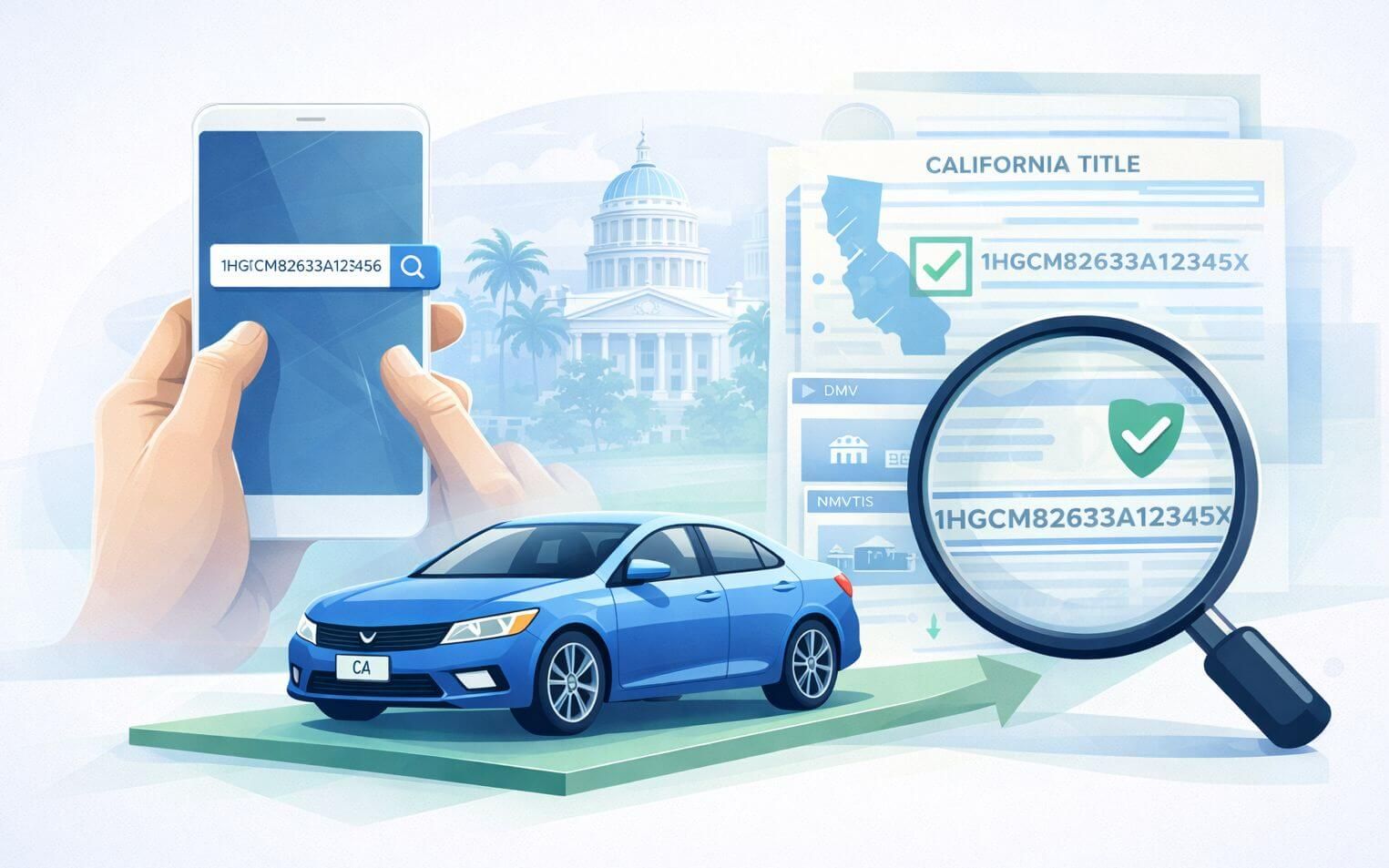
If you’re buying a used car in California—or already own one—you may need to verify its title status and registration standing with the DMV. Whether you're double-checking for a clean title, ensuring the car is legally registered, or uncovering hidden issues like holds or unpaid fees, the Vehicle Identification Number (VIN) is your best starting point.
In this step-by-step guide, you’ll learn how to check a vehicle’s title and registration status in California using the VIN, how to read the results, and how to avoid common pitfalls like lien conflicts, salvage branding, or suspended registration.
Why Title and Registration Status Matter in California
California has some of the strictest ownership and registration laws, which means unresolved issues can lead to:
- Salvage / rebuilt / junk / lemon branding
- Active liens preventing legal sale
- Registration suspensions due to fees, smog failure, or mileage disputes
- Stolen vehicle alerts or cloned VIN activity
Before purchasing—or even negotiating—always protect yourself with a VIN lookup.
Start with a Free VIN Check California tool to confirm title status instantly
https://www.vincheckpro.com/free-vin-check/california/
Title vs. Registration — Key Difference
A vehicle can have a clean title but an inactive or suspended registration, or vice‑versa. You need to check both.
| Term | What It Means |
|---|---|
| Title | Legal proof of ownership + brand history (salvage, rebuilt, lemon) managed by the California DMV |
| Registration | Legal permission to operate the vehicle on the road + annual renewal, plates, and fees |
How to Check Title & Registration Status by VIN
1. Locate the VIN
Look for the 17‑digit VIN on:
- Dashboard (driver‑side windshield area)
- Driver door jamb
- CA registration card
- Vehicle title (pink slip)
- Insurance or service records
2. Run a Free California VIN Lookup
Use:
➡️ https://www.vincheckpro.com/free-vin-check/california/
Your free lookup may reveal:
- Title brand status (salvage/flood/junk)
- Last registration state & date
- Lien history
- Odometer readings
- Theft records
- Open recalls
- Smog/emissions data
- Auction history + photos (if available)
_No account required — unlimited VIN lookups._
3. Compare VIN Data with Pink Slip & Registration Card
Ask the seller to show:
Then verify:
| Field | What to Confirm |
|---|---|
| VIN | Must match the vehicle + all documents |
| Title Status | Should be Clean unless disclosed |
| Owner Name | Must match the seller |
| Expiry Date | Registration must be current |
| Lienholder | None — unless officially cleared |
If anything is unclear, request clarification before paying.
4. Check for DMV Flags Not Shown on Paper
Common hidden restrictions:
- Registration holds (unpaid fees, unpaid tickets)
- Smog check failure or missing certification
- Odometer inconsistencies
- Suspended or lapsed renewal
A VIN lookup helps uncover problems before ownership transfer.
5. Proceed With Transfer Only After Verification
If the vehicle checks out:
- Ensure seller signs the title & bill of sale
- Pay transfer/use tax
- Provide smog certificate if required
Your new California title will arrive via mail once processed.
Why Use a Free VIN Check for California Cars?
VinCheckPro pulls data from:
- California DMV
- NICB theft + insurance total loss records
- Auction + rebuild databases
- Emissions & odometer logs
- Recall + manufacturer records
You get transparency without a paid report or Carfax fee.
If You Spot a Red Flag
When in doubt, verify directly with the California DMV.
Smart Buyer Rule: Always Run the VIN First
Before meeting any seller:
✔ Run VIN through a CA lookup
✔ Check title + registration side by side
✔ Confirm owner ID + liens
✔ Avoid paying before verification
Doing this early helps you avoid scams, hidden fees, and DMV complications.
Final Takeaway
A California VIN lookup is one of the most powerful tools for safe vehicle buying and ownership validation. It reveals registration standing, title history, liens, mileage issues, and more — all before money changes hands.
You can check instantly, from home, with no cost at all:
🔍 Start with a Free VIN Check California tool — confirm title status in seconds
https://www.vincheckpro.com/free-vin-check/california/Make confident decisions. Avoid surprises. Verify before you buy.
About the Author
Jake Turner
Jake Turner is an ASE-certified master mechanic with over 18 years in independent shops and dealership service bays. He’s inspected thousands of used cars, from budget commuters to ex-fleet workhorses, and has a knack for spotting issues that never show up in glossy ads. On VinCheckPro.com, Jake explains how to connect what you see in a VIN report with what you should check under the hood, on the lift, and during a test drive.