
How to Spot and Act on Odometer Rollback
How to Spot and Act on Odometer Rollback
When buying a used car, one of the most serious and costly risks is falling victim to odometer rollback fraud. Odometer rollback, sometimes called “clocking,” is the illegal practice of rolling back a vehicle’s odometer to display a lower mileage than the car has actually traveled. This manipulation can make a car appear newer, justify a higher price, and hide extensive wear and tear that you’ll only discover later.
Understanding how to spot odometer rollback — and what to do if you encounter it — can save you from financial losses, unexpected repairs, and legal headaches.
Why Odometer Rollback Is a Serious Issue
Mileage is one of the key factors used to determine a car’s value. Lower mileage generally suggests less wear and a longer remaining lifespan, which is why unscrupulous sellers may attempt to roll back the odometer to secure a higher price.If you unknowingly buy a car with a rolled-back odometer, you could face:
Because mileage shows up in loans, insurance, and resale calculations, odometer fraud can affect almost every part of your ownership experience.
How to Spot Odometer Rollback
The best defense is a mix of digital checks and in-person inspection. Use the steps below together, not in isolation.
1. Check the Vehicle History Report
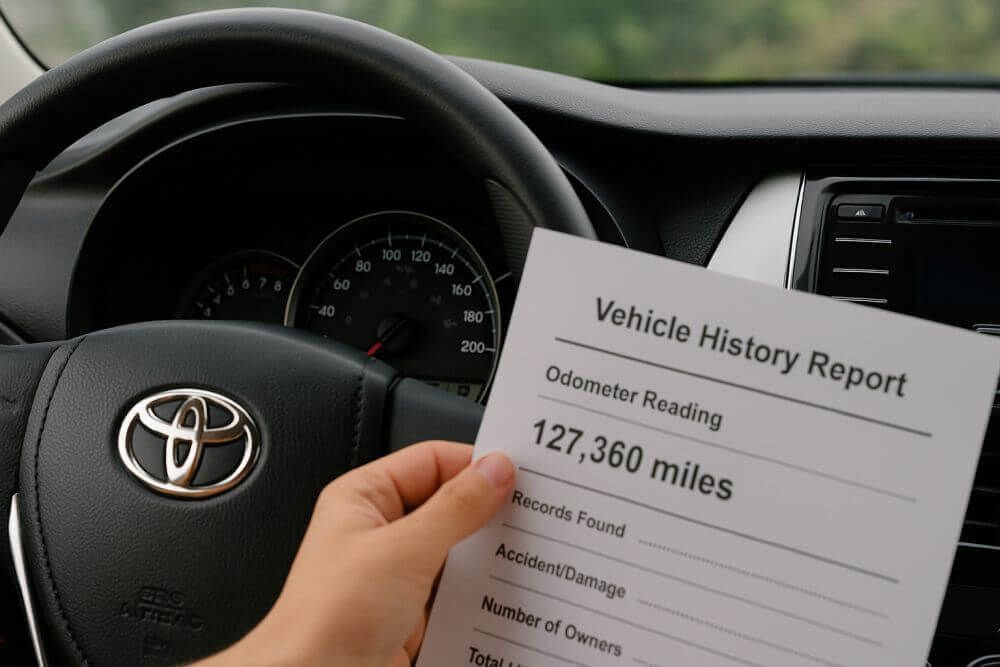
A vehicle history report is one of the most reliable tools for spotting odometer rollback. Services like VinCheckPro, Carfax, and AutoCheck compile mileage data from:
- State DMV records
- Previous inspections and emissions tests
- Service and maintenance centers
- Insurance claims
Review the mileage entries in chronological order. If a more recent record shows lower mileage than an older one (for example, 120,000 miles followed later by 85,000 miles), that discrepancy is a major red flag and often a sign of rollback.
2. Review Maintenance and Service Records
Ask the seller for maintenance records, repair invoices, and inspection reports. Legitimate service logs usually include:
- Date of service
- Description of work performed
Compare these numbers to the current odometer reading. Large gaps, missing years, or mileage that suddenly “drops” are signs that something isn’t right.
3. Inspect Physical Signs of Wear
A car’s overall condition should match its stated mileage. If a vehicle shows unusually heavy wear for its claimed mileage, it may have been tampered with.
Look closely at:
If a “low-mileage” car looks like it has lived a hard life, assume the mileage could be inaccurate until proven otherwise.
4. Examine the Odometer and Instrument Cluster
For older analog odometers:
- Check for scratches or marks inside the cluster
- Watch for screws, panels, or plastic trim that look recently removed or tampered with
For modern digital odometers, rollback typically requires specialized tools and software. Visual signs may be limited, which is why history records and physical inspection are so important.
5. Compare Title and Inspection Records
Titles, registration documents, and inspection reports often list the mileage at the time of issuance or testing. Ask to see:
- Emissions or safety inspection slips
- Any prior sale documents or bills of sale
Compare the listed mileages with the current reading. Inconsistent numbers or missing documentation are strong warning signs.
How to Act If You Suspect Odometer Rollback
If your research raises concerns, it’s important to respond quickly and decisively.
1. Walk Away from the Sale
If you notice inconsistencies or suspect rollback before buying, the safest choice is to walk away. Do not proceed with the purchase, even if the seller:
- Offers a steep discount
- Dismisses your concerns as “clerical errors”
- Refuses to share more documentation
There are always other cars. Don’t take the risk.
2. Report to Authorities
Odometer fraud is illegal under both state and federal laws. If you suspect (or confirm) fraud, you can:
Reporting helps protect other buyers and can support any legal action you may consider.
3. Contact Your Insurance Provider
If you’ve already purchased the vehicle and later discover the rollback, inform your insurance company. They may:
- Adjust your policy or coverage
- Recalculate premiums
- Provide guidance on how the fraud could affect future claims
Being transparent with your insurer helps avoid surprises if a claim arises later.
4. Consider Legal Action
Buyers who unknowingly purchase a car with a rolled-back odometer may have legal recourse to recover damages. Depending on your situation, you may be able to:
- Sue the seller or dealership for fraud or misrepresentation
- Seek compensation for the difference in value, repair costs, and related losses
Consult with an attorney who specializes in auto fraud or consumer protection to understand your options.
The Role of a VIN Decoder
A VIN (Vehicle Identification Number) decoder is a valuable tool when verifying a car’s true history. Combined with a vehicle history report, it can help you spot mileage irregularities early.
A VIN-based check can reveal:
- Reported mileage records over time
- Title history and branding (such as salvage, rebuilt, or flood)
- Ownership changes and registration history
- Major accidents or damage reports
Using a trusted service like VinCheckPro’s free VIN decoder and history tools can help uncover mileage discrepancies before you sign anything, giving you more confidence in your purchase.
Frequently Asked Questions
Is odometer rollback common?
While modern digital odometers have made rollback more technically complex, it still happens — especially in higher-value or high-demand vehicles. Estimates suggest that a significant number of used cars on the road may have had their odometers altered, which is why thorough checks are essential.
Can I get my money back if I bought a car with a rolled-back odometer?
Possibly, yes. Depending on your state laws and the strength of your evidence, you may be able to sue the seller or dealership for fraud and recover damages. Consult an attorney who handles auto fraud or consumer claims for specific guidance.
How can I avoid odometer rollback scams?
To reduce your risk, always:
- Verify service and inspection records
- Inspect the vehicle in person and look for mismatched wear
If something feels off, don’t ignore your instincts.
Are there penalties for sellers who commit odometer fraud?
Yes. Odometer fraud is a federal offense and can result in fines, criminal charges, and even imprisonment for the seller. Civil penalties and restitution to affected buyers may also be imposed.
Final Thoughts
Odometer rollback is a serious and costly scam that can affect anyone shopping for a used vehicle. By learning how to spot the warning signs and acting quickly when something doesn’t add up, you can protect yourself from fraud and avoid buying an overvalued, overused car.
Before committing to any used car purchase, use resources like a trusted vehicle history report and a reliable VIN decoder, such as VinCheckPro’s free tools. This proactive approach can save you money, safeguard your safety, and provide valuable peace of mind every time you shop for a used vehicle.
About the Author
Brandon Lee
Brandon Lee is a classic car restorer and fabricator who spends his time rescuing old metal and rebuilding it piece by piece. He’s dealt with rust-bucket projects, bad bodywork, and cars with confusing chains of ownership. At VinCheckPro.com, Brandon focuses on older vehicles and project cars—explaining how VIN checks, casting numbers, and careful inspection help confirm a car’s true identity and condition.