
Emissions Testing Requirements When Buying a Used Car in New York
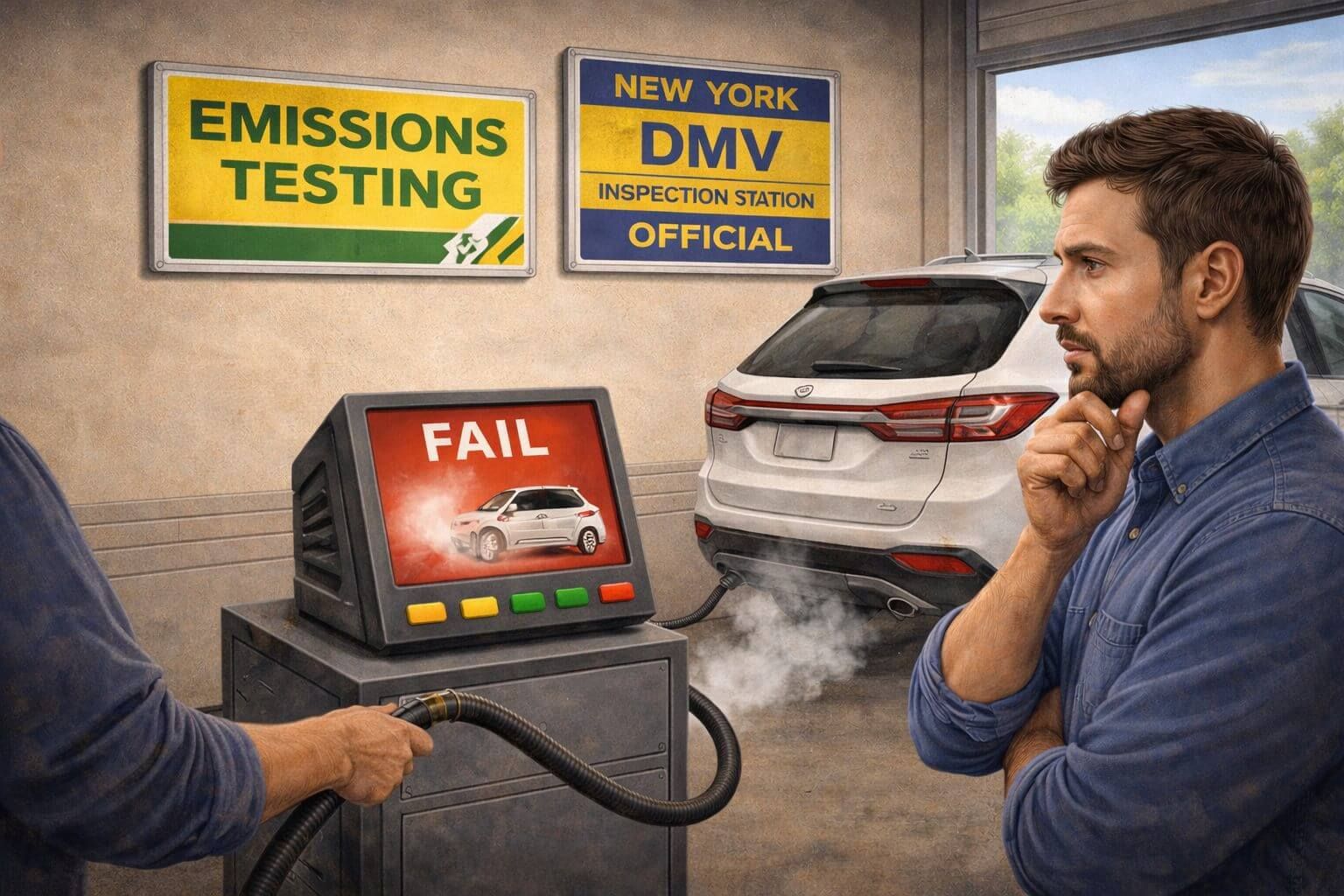
Emissions Testing Requirements When Buying a Used Car in New York
When buying, registering, or owning a used car in New York, emissions testing is one of the most important compliance issues to understand. It is not just a technical inspection item. It can directly affect whether a vehicle can stay legally registered and driven.
Many buyers assume emissions testing only matters in New York City or only comes up when a check engine light appears. In reality, New York’s inspection and emissions rules are broader than that. Most registered vehicles in the state are inspected every 12 months, and for many vehicles that inspection includes an emissions component. (dmv.ny.gov)
If you are shopping for a used car, emissions compliance should be part of your due diligence before purchase. A New York vehicle registration guide can help you understand the registration side, while a free VIN check can help you uncover title, history, and possible inspection-related red flags before you commit.
Why New York Requires Emissions Testing
New York requires emissions testing to help reduce air pollution and comply with federal clean-air requirements. Vehicle emissions contribute to smog and public-health risks, so the state includes emissions checks in its annual inspection system for many vehicles. The program is administered through the New York State Department of Motor Vehicles, with related environmental oversight from the Department of Environmental Conservation. (dmv.ny.gov)
For used-car buyers, this matters because a vehicle that cannot pass inspection may quickly turn into a repair and registration problem after purchase.
When Emissions Testing Is Required in New York
In New York, emissions testing is generally tied to the annual vehicle inspection. Most vehicles registered in the state must be inspected once every 12 months at a DMV-licensed inspection station, and most of those inspections include some type of emissions check. (dmv.ny.gov)
This means that if you buy a used car that is close to inspection due date, you may soon be responsible for any emissions-related repairs needed to keep it legally on the road.
Which Vehicles Need Emissions Testing
The original draft was too narrow here. New York’s emissions program is not limited only to the New York Metropolitan Area for ordinary light-duty gasoline vehicles.
According to current New York DMV and DEC guidance, most emissions inspections in New York involve OBD-based testing for applicable non-diesel and light-duty diesel vehicles, generally depending on model year, fuel type, and weight. (dmv.ny.gov) (dec.ny.gov)
Common Vehicles Subject to Emissions Inspection
- Light-duty diesel vehicles within the applicable age and weight range
The exact inspection method can vary by vehicle class, fuel type, age, weight, and registration location. (dec.ny.gov)
Common Exemptions
New York DMV states that vehicles are exempt from emissions inspection if they are:
- Motorcycles
- Electric vehicles
- Vehicles with historical plates
- Certain diesel or heavy-vehicle categories handled differently under the inspection system
This is an important correction because the original article suggested that all vehicles older than 25 years are only “typically” exempt and that emissions rules mainly focused on the NY metro area. The state’s current framework is broader and more age-based. (dmv.ny.gov)
What the Emissions Test Includes
For many vehicles, New York’s emissions inspection is centered on the onboard diagnostics system.
The state’s OBD-based emissions inspection can include:
- OBDII check of emissions-related systems
- Gas cap and emissions-device visual checks
- Malfunction indicator light review
- Related emissions system verification as part of the annual inspection workflow
New York DEC notes that the complete NYVIP3 OBDII inspection includes the safety inspection, a visual inspection of emissions-control devices including the gas cap, and the OBDII inspection itself. (dec.ny.gov)
Diesel Vehicles and Regional Differences
Diesel inspection rules are where location matters more visibly.
For diesel vehicles over 8,500 pounds, New York’s diesel emissions rules differ depending on whether the vehicle is registered within the Diesel Emissions Metropolitan Area, which includes New York City, Nassau, Suffolk, Rockland, and Westchester. Certain heavier diesel vehicles within that area need annual diesel emissions inspection in addition to the safety inspection. Outside that area, some heavier diesel vehicles are instead subject to roadside diesel emissions enforcement rather than annual diesel emissions inspection. (dmv.ny.gov)
So while the original draft overstated the metro-area limitation for normal emissions testing, it is still true that regional location matters for some diesel-specific rules.
What Happens if a Vehicle Fails Emissions
If a vehicle fails the emissions portion of inspection, it will not receive a valid inspection sticker until the failure is resolved. That means it cannot lawfully remain in ordinary use once the inspection deadline passes. (dmv.ny.gov)
If the vehicle is repaired and brought back for reinspection within the allowed period, only the failed portion may need to be reinspected. If too much time passes, the full inspection may need to be done again. (pl.dmv.ny.gov)
That is why used-car buyers should treat a check engine light, recent emissions failure, or missing inspection paperwork as a serious negotiating issue.
Inspection and Emissions Costs
The original draft gave a rough combined range, but New York’s official structure is more specific and depends on inspection group and location.
New York DEC currently lists emissions inspection fees that do not include safety inspection fees as:
The final amount a motorist pays depends on the vehicle type and applicable safety inspection fee in addition to the emissions fee. (dec.ny.gov)
So the total cost can vary, but it is better to describe the official fee structure than to use a broad generic range.
What Buyers Should Check Before Purchasing a Used Car
If you are buying a used vehicle in New York, emissions compliance should be part of your pre-purchase checklist.
Check the Inspection Sticker and Date
Review the current inspection sticker and note when it expires. A car that is about to come due may become your repair responsibility soon after purchase.
Watch for the Check Engine Light
A lit malfunction indicator lamp is one of the clearest warning signs that the vehicle may fail OBD-based emissions inspection.
Review the Vehicle’s Background
A vehicle history report can help surface prior damage, title problems, ownership changes, and other issues that may affect both value and inspection readiness. A VIN decoder can help confirm the vehicle’s exact year, make, model, engine, and emissions-related configuration.
Budget for Potential Repairs
If the vehicle is close to inspection due date or shows warning signs, factor possible emissions repairs into your negotiation.
Check for Recalls and Title Issues
A recall check by VIN can help you identify unresolved safety recalls, while a title check by VIN can help you spot title issues that may affect value and resale even if the car passes inspection.
Tips for Sellers
If you are selling a used car in New York:
- Make sure the vehicle has a current valid inspection sticker
- Resolve obvious emissions-related warning lights before listing
- Keep inspection paperwork available if possible
- Be transparent about any recent failures or repairs
A car that appears inspection-ready is usually easier to sell than one that leaves buyers guessing about immediate repair costs.
How to Prepare for an Emissions Inspection
A few practical steps can improve the odds of a smoother inspection process:
- Fix any check engine light issues before inspection
- Stay current on basic maintenance
- Make sure the gas cap seals correctly
- Drive the vehicle enough to reach normal operating temperature before testing
- Avoid clearing codes right before inspection, since readiness monitors may not be set
These steps do not guarantee a pass, but they can reduce avoidable failures.
Frequently Asked Questions
Do all used cars in New York need emissions testing?
No. Some vehicles are exempt, including motorcycles, vehicles less than two model years old, vehicles more than 25 model years old, electric vehicles, and certain other categories. But most vehicles registered in New York are inspected annually, and many include an emissions component. (dmv.ny.gov)
How often does a used car need emissions testing in New York?
For applicable vehicles, emissions testing is generally part of the annual inspection requirement. (dmv.ny.gov)
Is emissions testing only required in the New York metro area?
No. That is not accurate for ordinary light-duty vehicles. Most vehicle inspections in New York include OBDII-based emissions checks where applicable across the state. Regional differences matter more for some diesel inspection rules and fee structures. (dmv.ny.gov) (dmv.ny.gov)
What happens if my used car fails emissions?
The vehicle will not receive a valid inspection sticker until the failure is corrected and the vehicle passes the required reinspection. (pl.dmv.ny.gov)
Can a VIN-based report show emissions-related issues?
A VIN-based report can help reveal history and compliance-related concerns that may affect your buying decision, especially when combined with inspection status and dashboard warning signs.
Final Thoughts
New York’s emissions testing rules are an important part of used-car ownership, and the biggest mistake buyers make is assuming they only matter in a few downstate counties or only after registration. In reality, many New York vehicles face annual inspection requirements that include emissions testing, and age- and vehicle-type rules determine who is exempt.
That is why emissions compliance should be part of your due diligence from the start. Before buying a used car, verify its inspection status, watch for warning lights, review its history, and make sure you understand what the next inspection may cost you.
About the Author
Chris “Wrench” Dawson
Chris Dawson, known by his customers simply as “Wrench,” is a mobile mechanic who specializes in pre-purchase inspections. He’s crawled under countless used cars in driveways, parking lots, and dealer lots, checking for leaks, frame damage, and lazy repairs. On VinCheckPro.com, Chris shares practical checklists and real-world stories so buyers know exactly what to look, listen, and feel for before buying.