
How to Tell If a Car Has a Lien Before You Buy It – Without Calling the Bank
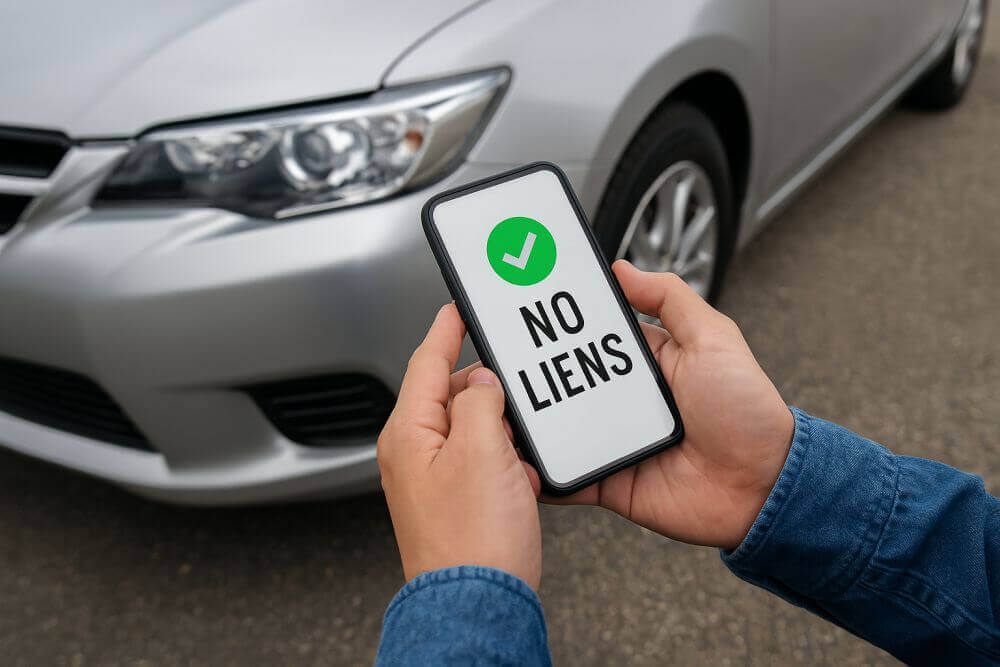
When you're buying a used car, there's one silent deal-breaker that can cost you thousands — and it’s not visible on the dashboard or under the hood. It's an active lien on the vehicle title.
A car lien means someone (usually a bank or lender) still has legal ownership of the vehicle until a loan is paid off. If you buy a car without realizing it has a lien, you could end up stuck with someone else's debt — or worse, lose the car altogether through repossession.
The good news: you don’t have to call the bank or hunt down the seller’s financing paperwork to get the truth. With the right tools and a little know-how, you can check for a car lien yourself — safely, quickly, and often for free using tools like the VinCheckPro Vehicle Lien Check.
What Is a Car Lien and Why Should You Care?
A vehicle lien is a legal right granted to a lender or creditor that allows them to claim ownership of the vehicle until the loan is paid off in full. It's how the lender protects themselves from financial loss if the borrower stops making payments.
Common reasons a car might have a lien include:
- The owner financed the car and hasn’t paid off the loan yet
- A repair shop or towing company placed a mechanic’s lien for unpaid services
- A court judgment resulted in a lien against the vehicle
If you unknowingly purchase a car with an active lien, you don’t just inherit the car — you may inherit the financial obligation too. In many cases, the lender can legally repossess the vehicle from you, even if you already paid the seller in full.
That’s why confirming lien status before you buy is non‑negotiable.
Signs a Car Might Have a Lien
Even before you run a formal lien check, there are red flags to watch for when evaluating a used vehicle:
- The seller has no title or only a photocopy
- The price seems suspiciously low compared to market value
- The vehicle came from an auction, tow yard, or salvage seller
Even if none of these apply, always assume there could be a lien until you verify it yourself.
How to Check for a Lien — Without Calling a Bank
You don’t need to phone lenders, fax documents, or dig through county courthouse records. Here’s how you can check for a lien online, step-by-step.
1. Get the Vehicle’s VIN or License Plate Number
To begin your lien check, you’ll need one of the following:
Make sure the information on the vehicle matches what’s listed on the title and registration documents. Any mismatch is a major warning sign.
2. Run a Quick Vehicle Lien Check Using Our Free Online Tool
VinCheckPro.com offers a free vehicle lien check that pulls real-time data from state DMV systems and the National Motor Vehicle Title Information System (NMVTIS).👉 Run a quick vehicle lien check using our free online tool:
https://www.vincheckpro.com/vehicle-lien-check/What you'll typically see in your report:
- Lien status (active, released, or none)
- Title history (clean, salvage, rebuilt, junk, etc.)
- Odometer readings and rollback alerts
- Ownership transfers and state changes
- Theft, flood, or total loss records
This tool works 24/7 and doesn’t require you to call a bank, visit a DMV office, or pay for basic access.
3. Verify Title and Lien Release Documentation
If your report shows an active lien, proceed with caution. Ask the seller:
- Whether the lien has been paid in full
Without a valid lien release (or updated lien‑free title), the vehicle is still legally owned in whole or in part by the creditor — and you should not proceed with the sale.
What NOT to Do
When checking for liens, avoid these common mistakes:
A few minutes of checking can save you from years of financial and legal headaches.
What a Vehicle History Report Tells You (Beyond Liens)
A quality lien check tool should give you more than just lien status. A robust vehicle history report can reveal deeper risks that affect safety, value, and ownership.
Here’s what you can usually learn:
| 📋 Section | 🔍 What You’ll Learn |
|---|---|
| Title Brands | If the car has ever been marked salvage, rebuilt, flood, or junk |
| Odometer History | Whether there are signs of rollback attempts or mileage inconsistencies |
| Accident Records | Damage reports, total loss declarations, and major repair indicators |
| Theft Check | Whether the vehicle is reported stolen or flagged in recovery databases |
| Owner History | How many times the title changed hands and in which states |
All of this helps you negotiate better, walk away from shady deals, or confidently close a purchase knowing you're protected.
For an even deeper look, pair your lien check with a full vehicle history report from services like VinCheckPro.
Pro Tips for Used Car Buyers
If you want to stay in control of your car-buying experience and avoid hidden liabilities, keep these best practices in mind:
A little extra diligence now can prevent losing both the car and your money later.
Example Scenario: What Can Go Wrong Without a Lien Check?
Imagine buying a used SUV from a private seller. Everything looks great. You pay in cash, get a bill of sale, and drive off happy.
A few weeks later, you receive a notice from a lender: the SUV was financed and still has $6,800 left on the loan. Because the lien was never released, the bank still has a legal claim on the vehicle.
Since you never checked the lien status:
- Your money is gone — and so is your SUV
All of this could have been avoided with a 30-second free lien check before buying.
Final Thoughts: Don’t Skip the Lien Check
A vehicle might look perfect on the outside, but the title could carry invisible baggage. Don’t leave it up to chance — or a seller’s memory. In today’s digital world, you can protect yourself with a free, fast lien check using nothing more than a VIN or license plate number.
Start every used car deal by confirming lien status, then review the vehicle’s broader history to spot hidden risks.
Frequently Asked Questions
Can I check if a car has a lien without contacting the lender?
Yes. You can use a free online tool like VinCheckPro to search national title databases using the VIN or license plate — no need to call the bank directly.
What happens if I buy a car with an active lien?
If the lien hasn’t been released, the lender still legally owns part of the car and can repossess it. You may also be responsible for the previous owner’s unpaid loan, depending on your state’s laws.
Does a clean title mean the vehicle is lien-free?
Not necessarily. A clean title means the vehicle has no branded status like salvage or rebuilt, but it may still list a lienholder if the loan isn’t fully paid off.
Is it legal to sell a car with a lien?
Yes, but only if the seller discloses the lien and arranges for payoff and title transfer through the lender. Always verify lien status before handing over payment.
Can I use a license plate instead of a VIN to check for liens?
Yes. VinCheckPro allows users to run lien checks using a license plate number and state, which is helpful when the VIN isn’t easily visible or available.
Run Your Free Vehicle Lien Check Now
Ready to protect your money and peace of mind?
👉 Run a quick vehicle lien check using our free online tool
No phone calls. No paperwork. No risk.
About the Author
Brandon Lee
Brandon Lee is a classic car restorer and fabricator who spends his time rescuing old metal and rebuilding it piece by piece. He’s dealt with rust-bucket projects, bad bodywork, and cars with confusing chains of ownership. At VinCheckPro.com, Brandon focuses on older vehicles and project cars—explaining how VIN checks, casting numbers, and careful inspection help confirm a car’s true identity and condition.