
Powertrain vs Bumper-to-Bumper Warranty: What’s Covered and What’s Not
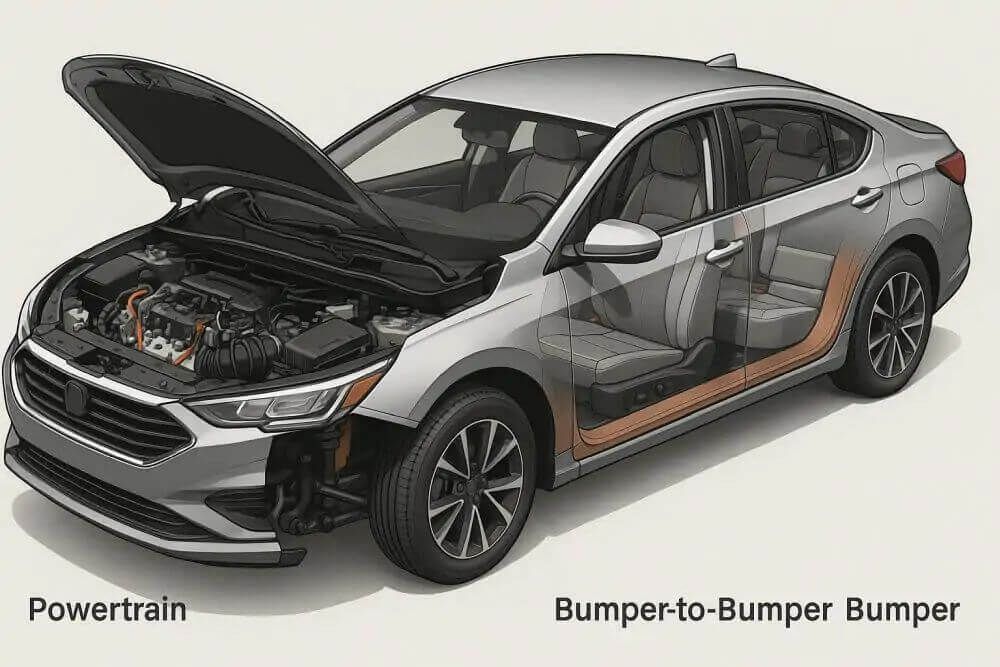
Buying or selling a used vehicle often raises urgent questions about warranty coverage. Powertrain vs bumper-to-bumper warranty comparisons can be confusing, especially when terms, exclusions, and transfer rules vary by manufacturer and plan. This guide breaks down what each warranty type typically includes, where the gaps are, and how to verify coverage before you commit.
If you want to skip straight to the numbers, you can quickly check if a car is still under warranty using a VIN-based lookup. Try a free warranty status search with VinCheckPro’s warranty check by VIN tool to see remaining factory, powertrain, and other coverage details.
Why warranty details matter in the used market
Repairs are expensive, and many failures show up after a change of ownership. Understanding coverage can help you:
- Budget realistically for future repairs
- Negotiate the price with accurate information
- Avoid surprise repair bills after the sale
Small dealers and private sellers who present clear, accurate warranty and vehicle history information build trust. Shoppers who verify status ahead of time reduce risk and protect their investment.
For a deeper look into accident, title, and mileage history alongside warranty checks, you can pair this guide with a free VIN check before you buy or sell.
The two big warranty types at a glance
Not all coverage is the same. Each warranty focuses on different vehicle systems and risks.
What a powertrain warranty typically covers
A powertrain warranty protects the components that make the vehicle move:
Powertrain coverage usually lasts longer than comprehensive coverage (for example, 5 years/60,000 miles vs. 3 years/36,000 miles). It focuses on major mechanical failures that can wreck your budget.
What a powertrain warranty usually does not cover
Powertrain plans are not “everything mechanical.” They usually exclude:
- Wear items: belts, hoses, clutches, spark plugs
- Cooling system components outside the engine block (radiator, water pump in some plans)
- Sensors, electronics, and modules not strictly powertrain-related
- Maintenance, fluids, filters, and diagnostic time in many contracts
Always confirm whether gaskets, seals, and ancillary parts are included. Some “powertrain plus” or “gold” plans broaden coverage; others are stricter.
What a bumper-to-bumper warranty typically covers
Often called “comprehensive” coverage, a bumper-to-bumper warranty spans most factory-installed parts and systems:
- Electrical and infotainment systems
- HVAC and climate control components
- Interior, body hardware, and many safety sensors
- Suspension and steering components
This coverage is broad, but it is not truly “everything.” The term means most parts are covered except what the contract specifically excludes.
What a bumper-to-bumper warranty usually excludes
Even the best bumper-to-bumper plans typically exclude:
- Wear items: tires, brake pads/rotors, wiper blades
- Cosmetic issues: paint chips, upholstery stains, trim
- Glass damage from road hazards
- Damage from neglect, abuse, or aftermarket modifications
Some plans require specific maintenance intervals to remain valid. Keep records of oil changes, services, and repairs—these can be crucial when filing a claim.
Factory, CPO, and third‑party coverage: how they differ
There are three main sources of coverage you’ll see in the used market:
Included on new vehicles from the in-service date; typically transferable to subsequent owners with time/mileage limits.
Offered by the manufacturer or franchised dealer on select used vehicles after inspection; terms, deductibles, and coverage vary by brand.
Sold by dealers or independent providers, often with more exclusions, claim authorizations, and maintenance requirements.
Key variables to compare:
- Deductible amount per visit or per repair
- Covered labor rate and parts (OEM vs aftermarket)
- Maximum payout caps and per-claim limits
- Transfer fees and deadlines for new owners
Always read the actual contract, not just a brochure. Ask to see a specimen policy before you buy any extended coverage.
If you are checking coverage on a vehicle you already own or plan to buy, start by running a warranty check by VIN to see whether any factory warranties are still active.
Real-world claim scenarios and costs
Here’s how the differences show up in real life:
A turbocharged engine with bearing failure can cost thousands to replace. Powertrain coverage often applies if maintenance was done on schedule.
Some plans cover internal parts but exclude clutch packs in manuals or certain solenoids. Clarify what counts as “internal” in your contract.
Usually covered under comprehensive plans if still within term; powertrain coverage does not apply.
HVAC problems usually fall under comprehensive coverage, not powertrain, unless specifically excluded.
High-voltage batteries often have separate, longer warranties that are not strictly powertrain. Confirm battery, inverter, and electric drive unit coverage.
These examples show why the best plan depends on your vehicle’s age, technology level, and risk profile.
Fine print that changes everything
Before you decide whether a plan is worth it, look for these clauses:
Want to see whether branding might already affect coverage? Start with a vehicle history report or a free VIN check to uncover salvage, rebuilt, flood, or lemon branding before you rely on factory warranties.
How to research warranty status and risk with VIN and plate tools
A simple workflow can confirm whether basic coverage remains and whether the vehicle’s history might affect eligibility.
1) Collect and verify the VIN
The Vehicle Identification Number (VIN) is a 17-character code unique to each vehicle, found on:
- The dashboard (driver side, near the windshield)
- The driver’s door jamb sticker
- The title, registration, or insurance card
Verify it on the car and against the title and bill of sale. A single digit off can invalidate warranty searches and claims. If you need help decoding it, use a VIN decoder to confirm specs and build details.
2) Run a VIN check
Using a free VIN check on VinCheckPro.com helps surface key data quickly:
- Basic vehicle specs
- Potential title brands
- Reported accidents or damage flags
From there, you can decide whether to pull a full vehicle history report for deeper detail before relying on future warranty coverage.
3) Perform a license plate lookup (if you don’t have the VIN)
If you don’t have the VIN, running a license plate lookup can retrieve matching vehicle details in many states. Cross-check plate data with the VIN to ensure you’re researching the correct car.
4) Review title records and the vehicle history report
A vehicle history report compiles official and commercial records about a car’s past. Focus on:
Many factory warranties are void if the title is branded. Use a state-specific VIN check or other localized tools when evaluating cars from particular states.
5) Confirm coverage with the source
After you verify history, confirm coverage directly:
Contact a franchised dealer for the brand or use the manufacturer’s owner portal. Provide the VIN and ask for remaining factory coverage and in-service date (when coverage started).
Ask for the contract number, provider name, coverage booklet, and transfer instructions. Verify any waiting period, pre-existing condition exclusion, and transfer rules before you rely on it.
This workflow reduces risk by verifying identity (VIN), cross-checking records (plate and history), and uncovering title or damage issues that can void coverage.
Tips for sellers and small dealers
Transparent warranty information helps deals close faster and prevents chargebacks and disputes.
- Include the warranty or service contract booklet with clear transfer steps and fees.
- Note any aftermarket modifications and how they affect coverage.
- Keep service receipts in a single file and offer copies to buyers.
You can also link buyers directly to a warranty check by VIN so they can independently confirm remaining coverage.
Powertrain vs bumper-to-bumper warranty: which is right for you?
If your main worry is catastrophic engine or transmission failure, a powertrain plan may offer the best value. It’s simpler, longer in term, and focuses on the most expensive mechanical risks.
If your vehicle is tech-heavy—with ADAS sensors, large infotainment screens, and complex HVAC—a bumper-to-bumper plan can save money on electronics and comfort systems. It covers many failures powertrain plans exclude.
For hybrids and EVs, check separate high-voltage battery and electric drive warranties. Some manufacturers provide long battery coverage, but accessory electronics still rely on comprehensive plans. Compare total coverage, not just miles.
To quickly see what your current vehicle still has left, use VinCheckPro’s warranty check by VIN before you decide whether to add extra protection.
Negotiating and budgeting with warranties in mind
Use warranty status as part of your negotiation strategy:
- Price the car with realistic out-of-pocket repair expectations after warranty expiration.
- Compare deductibles and claim procedures. A lower monthly cost can be offset by high per-visit deductibles.
- Ask whether diagnostics are reimbursed when a claim is approved.
- Confirm labor rates. Some plans cap rates below local market, leaving you to pay the difference.
If a plan is bundled into financing, request the cash price vs. financed price. That reveals the true cost of coverage.
Frequently Asked Questions
Are brakes, tires, and alignments covered by warranties?
These are wear items and are usually excluded from both powertrain and bumper-to-bumper coverage. Some factory warranties include limited adjustments for the first 12 months, but ongoing wear is your responsibility.
Does a powertrain warranty cover hybrid or EV batteries?
Usually not. High-voltage batteries typically have their own separate warranty with different terms and mileage limits. Confirm coverage for the battery, inverter, and electric drive unit with the brand’s dealer, and double-check via a warranty check by VIN.
Will a salvage or rebuilt title void my factory warranty?
In many cases, yes. A branded title (Salvage, Rebuilt, Flood, or Lemon) often voids remaining factory coverage. Always check title status via a VIN check and confirm with a dealer before assuming coverage is still valid.
Can I transfer my warranty to the next owner?
Most factory warranties transfer automatically within the term. Third-party service contracts may require a fee and paperwork within a set timeframe. Ask for written transfer steps and keep proof of maintenance.
Is bumper-to-bumper really “everything”?
No. It is broad coverage with specific exclusions for wear items, cosmetic issues, and damage from neglect or modifications. Read the exclusions list and ask about diagnostics, seals, and consequential damage before you rely on it.
Bottom line and next steps
Warranties can protect your budget, but only if you understand what they do—and don’t—cover. For buyers, sellers, and small dealers, the right plan depends on vehicle age, technology, driving patterns, and risk tolerance.
Before you finalize a deal, follow this research workflow:
- Verify the VIN on the vehicle and documents
Apply this process to your current or next vehicle to reduce risk, avoid voided coverage, and make a confident decision when choosing between powertrain vs bumper-to-bumper warranty options.
About the Author
Brandon Lee
Brandon Lee is a classic car restorer and fabricator who spends his time rescuing old metal and rebuilding it piece by piece. He’s dealt with rust-bucket projects, bad bodywork, and cars with confusing chains of ownership. At VinCheckPro.com, Brandon focuses on older vehicles and project cars—explaining how VIN checks, casting numbers, and careful inspection help confirm a car’s true identity and condition.