
Japanese Car Brands: Innovation, Reliability, and Global Influence
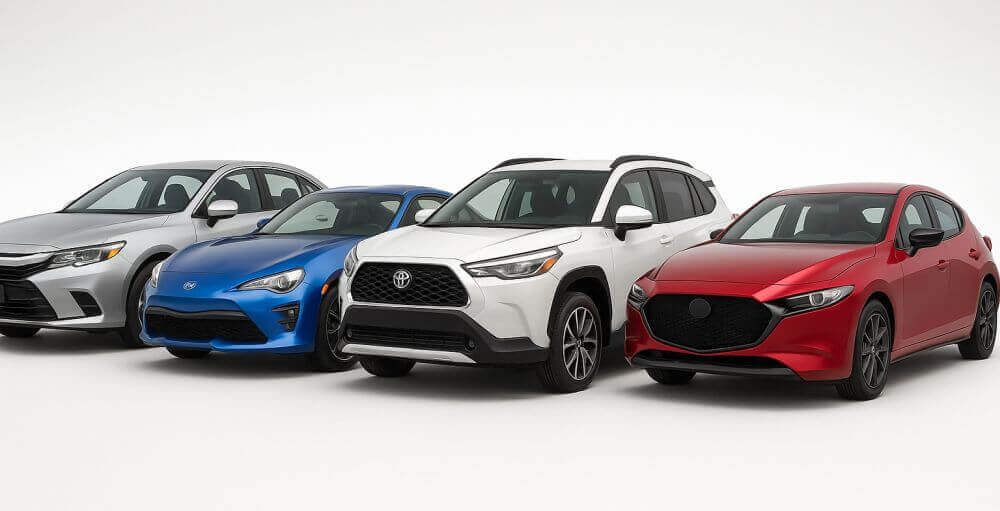
Japanese car brands have long been recognized for their reliability, innovative engineering, and global reach. Whether you’re a budget-conscious buyer looking for value, a performance enthusiast chasing speed, or a driver who prioritizes eco-friendly motoring, Japan’s automotive industry offers something for nearly every lifestyle and budget.
If you’re researching a used Toyota, Honda, Nissan, or any other Japanese model, it’s wise to start with a detailed vehicle history report. A quick VIN lookup can reveal accidents, title problems, mileage inconsistencies, and maintenance records before you commit to a purchase.
In this guide, we’ll explore the history, characteristics, and key models of leading Japanese automakers—plus practical tips for shoppers considering Japanese vehicles.
Why Japanese Car Brands Dominate the Global Market
Japanese automakers consistently rank among the top in global sales, quality, and customer satisfaction. Their manufacturing philosophy blends precision engineering, Kaizen (continuous improvement), and a deep understanding of how real people use their vehicles.
Key Reasons for Their Global Success
According to the Japan Automobile Manufacturers Association (JAMA), Japanese automakers exported more than 3.5 million vehicles in 2023, a clear sign of their enduring appeal worldwide.
The Big Names in Japanese Automotive Manufacturing
Toyota
Founded in 1937, Toyota is the world’s largest automaker by production volume. It’s synonymous with legendary reliability and offers everything from budget sedans to rugged trucks and luxury models under the Lexus brand.
Popular Models:Honda
Honda began as a motorcycle manufacturer before entering the car market in the 1960s. Today, it’s celebrated for vehicles that blend efficiency, practicality, and a sporty driving feel.
Popular Models:Nissan
Nissan balances affordability with performance and innovation, and it is also the parent company of luxury division Infiniti.
Popular Models:Mazda
Mazda is praised for its engaging driving dynamics and clean design language. Its SkyActiv technology focuses on optimizing performance, fuel economy, and emissions.
Popular Models:Subaru
Subaru’s symmetrical all-wheel drive and boxer-engine layout make it a favorite in regions with snow, rain, and rough terrain.
Popular Models:Mitsubishi
Once a rally racing icon, Mitsubishi now focuses on value-oriented SUVs and electrified models while still carrying hints of its performance heritage.
Popular Models:Suzuki
Suzuki specializes in small, efficient vehicles and motorcycles, with a strong footprint in Asia and Europe.
Popular Models:What Makes Japanese Cars a Smart Buy?
1. Affordability Without Compromise
Many Japanese cars deliver high build quality, solid engineering, and generous features at lower prices than comparable European models.
2. Strong Safety Ratings
Models from Honda, Toyota, Subaru, and other brands frequently earn top marks in NHTSA and independent crash tests, with advanced driver-assistance tech available even on lower trims.
3. Ease of Maintenance
Spare parts are widely available, and most independent shops and dealerships are highly familiar with Japanese brands. This keeps routine maintenance and repairs relatively affordable.
4. Environmental Leadership
Toyota and Honda lead the hybrid market, while Nissan and others continue to invest heavily in battery-electric and low-emissions technologies.
Buying a Used Japanese Car: Tips & Considerations
When shopping for a pre-owned Japanese vehicle, a bit of homework goes a long way:
Pair these steps with a pre-purchase inspection from a trusted mechanic for extra peace of mind.
Japanese Luxury Car Brands
Japan also competes strongly in the luxury space with brands that blend comfort, tech, and long-term reliability:
These marques often rival or exceed German and American luxury brands in owner satisfaction, often with lower long-term maintenance costs.
The Future of Japanese Automakers
The next decade will see even more change as Japanese brands push into new technologies:
With these innovations, Japanese automakers aim to maintain their reputation for reliability while leading the transition to cleaner mobility.
Conclusion
Japanese car brands have shaped the modern automotive landscape through reliability, innovation, and driver-focused design. Whether you’re shopping for an affordable city car, a family-friendly SUV, a high-performance sports coupe, or an eco-conscious hybrid, Japan’s automakers offer proven options across every segment.
Before you decide, combine smart comparison shopping with a comprehensive vehicle history report to verify any used model’s background. With the right research, you can drive home a Japanese car that delivers years of dependable, enjoyable ownership.
FAQs About Japanese Car Brands
1. Which Japanese car brand is most reliable?Toyota consistently tops reliability rankings, with Honda and Subaru close behind. Many of their models are known for crossing high mileage with minimal major repairs when properly maintained.
2. Are Japanese luxury cars as good as European brands?Yes. Lexus, Acura, and Infiniti often match or exceed European luxury rivals in comfort, features, and reliability, while typically offering lower long-term ownership costs.
3. What is the best Japanese sports car?The Nissan GT-R, Toyota GR Supra, and Mazda MX-5 Miata are among the most celebrated Japanese sports cars, each appealing to different budgets and performance levels.
4. Why are Japanese cars more fuel-efficient?They tend to use lightweight design, efficient engines, advanced transmissions, and hybrid systems to maximize miles per gallon without sacrificing drivability.
5. Are Japanese cars cheaper to maintain?Generally, yes. Wide availability of parts, strong mechanic familiarity, and robust reliability help keep maintenance and repair costs lower than many European counterparts.
About the Author
Chris “Wrench” Dawson
Chris Dawson, known by his customers simply as “Wrench,” is a mobile mechanic who specializes in pre-purchase inspections. He’s crawled under countless used cars in driveways, parking lots, and dealer lots, checking for leaks, frame damage, and lazy repairs. On VinCheckPro.com, Chris shares practical checklists and real-world stories so buyers know exactly what to look, listen, and feel for before buying.