
German Car Brands: Precision, Luxury, and Engineering Excellence
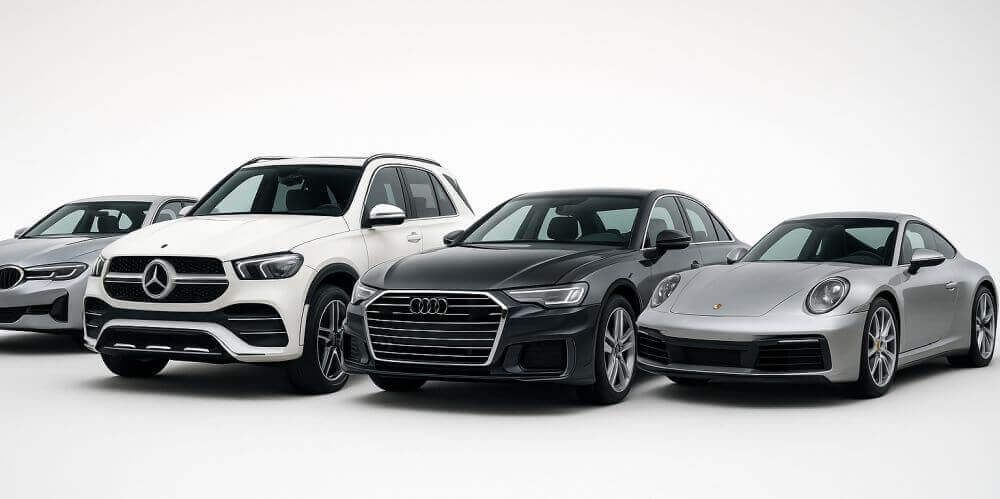
German Car Brands: Precision, Luxury, and Engineering Excellence
German car brands have long stood as symbols of precision engineering, luxury craftsmanship, and exceptional performance. From unrestricted stretches of the Autobahn to racetracks and city streets, these vehicles blend style, innovation, and reliability in a way that appeals to drivers worldwide. Whether you’re eyeing a brand-new BMW, a certified pre-owned Mercedes-Benz, or a well-kept Audi, understanding each brand’s history, technology, and ownership experience helps you choose the right car for your needs.
If you’re shopping for a used German car, the smartest first step is to run a vehicle history report to uncover past accidents, title branding, maintenance records, and recall notices. Combine that with a VIN decoder to reveal detailed specs and factory options, plus a Car Value by VIN check to confirm you’re paying a fair market price.
Why German Car Brands Dominate the Global Market
Germany has been shaping the automotive industry for more than a century. Its manufacturers set benchmarks for design, safety, and engineering, often influencing trends that other carmakers follow.
Key Reasons for Their Worldwide Appeal
According to the German Association of the Automotive Industry (VDA), Germany exports millions of passenger vehicles each year, underscoring the strong global demand for its brands.
A Closer Look at Leading German Car Brands
Mercedes-Benz
Founded in 1926 and widely credited with inventing the modern automobile, Mercedes-Benz focuses on luxury, safety, and innovation under its “Best or Nothing” philosophy.
Popular Models:BMW
Short for Bayerische Motoren Werke, BMW built its reputation in aviation and motorsport. Marketed as “The Ultimate Driving Machine,” its cars emphasize balance, handling, and driver engagement.
Popular Models:Audi
Audi is known for its minimalist design language, Quattro all-wheel drive, and intuitive tech interfaces. Its interiors are among the cleanest and most modern in the industry. Popular Models:Porsche
Porsche represents the pinnacle of German driving performance, offering track-bred engineering in cars that can still be used every day. Popular Models:Volkswagen
Volkswagen (“People’s Car”) delivers practical, accessible vehicles for everyday drivers while also branching into EVs and crossovers. Popular Models:Opel
Opel focuses on affordability, efficiency, and user-friendly features while maintaining a distinctly European feel. Popular Models:Signature Traits of German Cars
1. Performance Engineering
Even base-level German sedans are tuned for dynamic handling. You’ll often find responsive steering, well-sorted suspensions, and strong braking systems that inspire confidence.
2. Luxury Craftsmanship
High-quality leathers, metal trims, ambient lighting, and precise stitching are common, especially in premium models. Cabins feel solid and refined, even after years of use.
3. Advanced Safety
German automakers helped pioneer features like crumple zones, anti-lock brakes, and electronic stability control. Today, they continue to lead with advanced assistance systems and crash protection.
4. Resale Strength
Because of brand prestige, build quality, and driving dynamics, many German cars retain strong resale value—especially when backed by a clean vehicle history report and documented service records.
How to Buy a Used German Car Wisely
Purchasing a pre-owned German vehicle can be very rewarding, but due diligence is essential.
German Luxury vs. Performance Segments
Germany is equally strong in luxury cruising and high-performance driving:
These vehicles are often chosen because they can handle relaxed highway driving and spirited back-road runs with equal confidence.
The Future of German Automakers
German brands are rapidly evolving toward electrification, autonomous driving, and always-connected vehicles. Key developments include:
Expect more EVs, more software updates, and more integration with digital ecosystems over the coming decade.
Conclusion
German car brands offer a compelling mix of engineering excellence, luxury design, and driving excitement. Whether you’re drawn to the prestige of a Mercedes-Benz, the dynamic feel of a BMW, the technology of an Audi, or the pure performance of a Porsche, there is a German model for nearly every type of driver.
When shopping—especially for a pre-owned example—combine a vehicle history report with a VIN decoder and a Car Value by VIN check. With the right research, your next German car can deliver both daily dependability and long-term satisfaction.
FAQs About German Car Brands
Which German car brand is most reliable in the long run?Porsche often tops dependability rankings, with Mercedes‑Benz and Audi performing well when serviced on schedule. For any used car, confirm previous care with a vehicle history report and verify trim, engine, and options via the VIN before judging reliability.
Are German cars more expensive to maintain and repair?Generally yes. Premium parts, sophisticated electronics, and specialized labor can make maintenance and repairs pricier than average. Choosing a model with complete service records and following factory maintenance intervals can help control costs.
What is the best German sports car for daily driving?The Porsche 911 is widely considered the ideal blend of performance and daily usability. The BMW M3/M4 and Audi RS5 are also strong choices if you want four seats and more trunk space.
Why do German cars hold their value better than average?Brand prestige, engineering quality, and strong enthusiast demand support resale prices. Accident-free history and documented service records—confirmed with a vehicle history report—further protect long-term value.
How can I check the fair price of a used German car?Use the Car Value by VIN tool to compare similar vehicles based on trim, mileage, and options. Then cross-check those details with a VIN decoder to verify the exact configuration.
What should I inspect on a high‑mileage German car before buying?Confirm timing-related services, transmission and cooling-system maintenance, suspension components, and electronic systems. Verify mileage and title status with a vehicle history report, then test all driver-assistance and infotainment features.
Are German EVs (e‑tron, i4, Taycan, ID.4) good options used?They can be excellent choices if you validate battery health, warranty coverage, and recall status. Ask for service records and charging history, then compare pricing using a Car Value by VIN check against local listings.
About the Author
Ryan Cole
Ryan Cole is a European car specialist who has spent years working on German and other Euro brands in independent repair shops. From high-mileage diesel wagons to turbocharged hot hatches, he knows how maintenance—or the lack of it—shows up both in service records and in expensive repairs later on. On VinCheckPro.com, Ryan helps buyers understand how to read a VIN report alongside maintenance history, especially for used European cars.