
Powertrain vs Bumper-to-Bumper Warranty – What’s Covered and What’s Not?
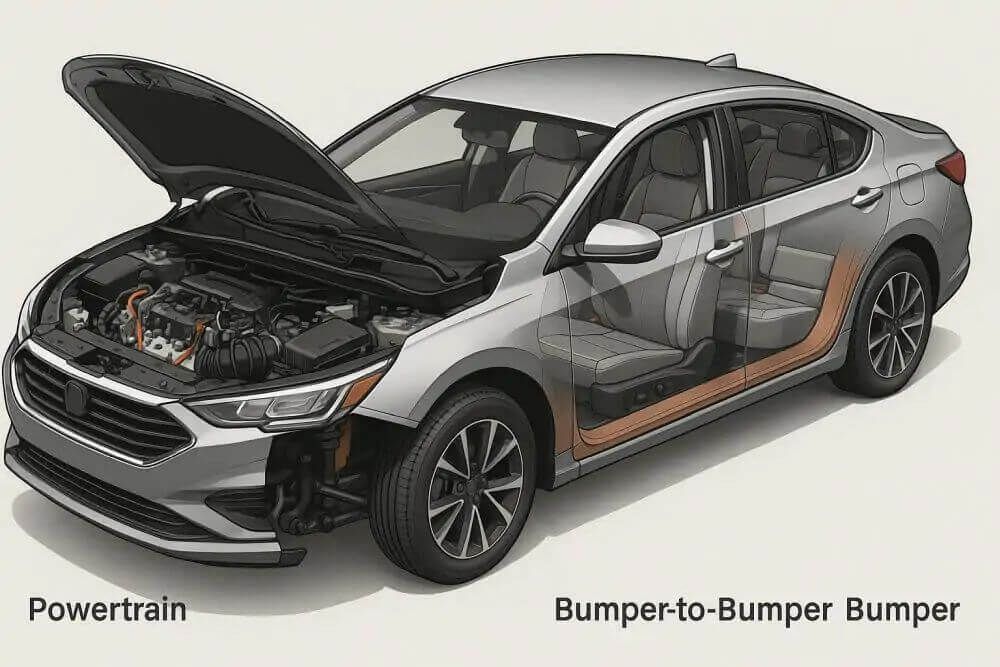
When buying a car—especially a used one—it’s easy to assume the word “warranty” means full protection. But not all warranties cover the same components. The two most important warranty types you'll encounter are powertrain and bumper-to-bumper. Understanding the difference can help you avoid unexpected repair costs, negotiate better prices, and make smarter decisions when buying or selling a vehicle.
This guide explains each warranty type, compares coverage and expiration timelines, and shows you how to check your warranty status instantly using a VIN lookup through our warranty check tool.
What Is a Powertrain Warranty?
A powertrain warranty protects the major mechanical systems responsible for propelling the vehicle. These components are high-cost items, so manufacturers typically offer longer powertrain coverage compared to other warranties.
✔ What’s Covered
✘ What’s Not Covered
- Electrical systems
- Steering and suspension
- Heating and cooling systems
- Interior components
- Routine maintenance
🛠 Why It Matters
A failed engine or transmission can cost thousands to repair. If your powertrain warranty is still active, these repairs may be fully covered.
What Is a Bumper-to-Bumper Warranty?
Also called a comprehensive warranty, this covers nearly all vehicle components between the front and rear bumper—with a few exceptions.
✔ What’s Covered
- Electrical components
- Infotainment, sensors, and ADAS features
- Air conditioning and heating
- Suspension
- Fuel system
- Interior and dashboard electronics
✘ What’s Not Covered
- Brake pads, tires, belts, hoses
- Light bulbs and wiper blades
- Scheduled maintenance
- Abuse or lack of proper maintenance
🛠 Why It Matters
This warranty gives the broadest protection and is especially valuable for newer and certified pre-owned vehicles.
Powertrain vs Bumper-to-Bumper – Key Differences
| Feature | Powertrain Warranty | Bumper-to-Bumper Warranty |
|---|---|---|
| Coverage | Engine, transmission, drivetrain | Nearly everything except wear items |
| Duration | Longer (5–10 years / 60k–100k miles) | Shorter (3–5 years / 36k–60k miles) |
| Repair Cost Protection | High-cost mechanical failures | Broad but smaller component issues |
| Exclusions | Most non-drivetrain components | Maintenance and consumables |
| Common For | Used or long-term ownership | New or CPO vehicles |
How to Do a Powertrain Warranty Lookup by VIN
You can check your warranty coverage in seconds—no calls or paperwork required.
✔ Step-by-Step
A VIN lookup gives the most accurate and up-to-date warranty status.
Warranty Timeline Example
A 2021 Hyundai Elantra includes:
If the vehicle currently has 28,000 miles:
This significantly increases its resale value and reliability.
What Happens When a Warranty Expires?
If your warranty expires:
- You pay all repair costs out-of-pocket
A VIN-based warranty lookup will show all remaining protections.
Extended Warranty vs Factory Warranty
| Warranty Type | Provided By | Usually Covers | Cost |
|---|---|---|---|
| Factory Warranty | Vehicle manufacturer | Pre-set coverage from new | Included |
| Extended Warranty (VSC) | OEM or third-party provider | Customizable levels (powertrain, full, etc.) | Paid plan |
A VIN report can also help you determine if you're eligible to extend your vehicle’s protection.
Final Tips Before You Buy or Sell
- Consider an extended plan if the factory powertrain warranty is close to expiration
Frequently Asked Questions (FAQ)
Can I check powertrain warranty status with my VIN?
Yes. A VIN lookup reveals remaining powertrain and bumper-to-bumper coverage.
Is bumper-to-bumper the same as a full warranty?
Not exactly. It excludes wear items like brakes, tires, and maintenance.
Does powertrain coverage include the battery?
Usually no. Hybrid and EV batteries are covered under separate warranties.
Can warranties transfer to new owners?
Most factory warranties do, but some extended warranties may not. Always verify with the VIN.
Want to Know Your Warranty Coverage Right Now?
Just enter your VIN to see your current coverage.
It’s fast, free, and secure.
👉 Use this warranty check tool to instantly see your powertrain and bumper-to-bumper warranty status.
About the Author
Jake Turner
Jake Turner is an ASE-certified master mechanic with over 18 years in independent shops and dealership service bays. He’s inspected thousands of used cars, from budget commuters to ex-fleet workhorses, and has a knack for spotting issues that never show up in glossy ads. On VinCheckPro.com, Jake explains how to connect what you see in a VIN report with what you should check under the hood, on the lift, and during a test drive.