
Is That “Certified Pre-Owned” Vehicle Still Under Warranty?
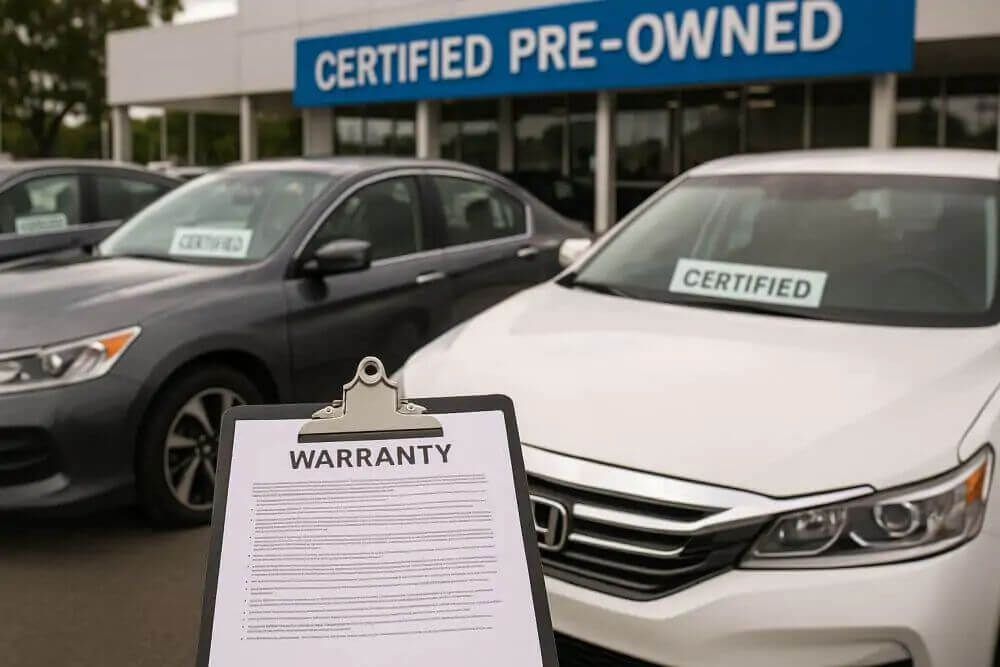
Buying a Certified Pre-Owned (CPO) vehicle is a smart move for budget-conscious buyers who want reliability and peace of mind. These vehicles undergo rigorous inspections, typically have lower mileage, and include manufacturer-backed limited warranties. But here’s the catch: not all CPO warranties are the same, and some vehicles advertised as certified may no longer be under warranty at all.
If you're considering or have recently purchased a CPO vehicle, it’s essential to know what’s actually covered, how long coverage lasts, and how to verify it. This guide explains how a certified pre-owned warranty check works, what’s typically included in a CPO warranty, and how to confirm remaining coverage using just a VIN.
Want to Confirm Your Warranty Status?
Use the free, fast, and no-signup-needed
VIN-based warranty checkto see remaining factory or CPO warranty coverage instantly.
What Does “Certified Pre-Owned” Really Mean?
A Certified Pre-Owned vehicle is a used car that has passed a manufacturer-approved inspection and reconditioning process, usually performed by an authorized dealership.
To qualify for CPO status, a vehicle typically must:
- Be under a certain age (commonly under 5–6 years)
- Have fewer than a manufacturer‑specified mileage cap (often under 80,000 miles)
- Pass a multi-point inspection (100–160+ checklist items)
- Have a clean title with no major accidents or structural damage
Most importantly, it includes a manufacturer-backed warranty—but the type and duration vary significantly by automaker.
What Does a CPO Warranty Usually Cover?
CPO programs differ by brand, but most include two types of coverage:
1. Limited Bumper-to-Bumper Coverage
This covers most systems and components except regular wear items. It typically:
2. Extended Powertrain Coverage
This may extend the original factory powertrain warranty or start fresh.
It usually covers:
- Engine
- Transmission
- Drivetrain
- Transfer case and axles
Premium brands (Lexus, BMW, Mercedes-Benz, etc.) often offer more generous programs and perks such as roadside assistance.
Examples of Manufacturer CPO Warranty Programs
| Manufacturer | Bumper-to-Bumper CPO Coverage | Powertrain Extension |
|---|---|---|
| Toyota | 12 months / 12,000 miles | 7 years / 100,000 miles from original in-service date |
| Honda | 12 months / 12,000 miles | 7 years / 100,000 miles from original in-service date |
| Ford | 12 months / 12,000 miles | 7 years / 100,000 miles from original in-service date |
| BMW | 1 year, unlimited miles | Balance of 4-year / 50,000-mile warranty |
| Hyundai | Up to 5 years / 60,000 miles | 10-year / 100,000-mile powertrain (CPO buyer only) |
⚠️ Reminder: Vehicles labeled “certified” by independent dealers may not be factory-certified and may not carry any manufacturer warranty.
Why a CPO Warranty Check Matters
Even if the dealer provides paperwork, the only reliable way to know if the warranty is still valid is through a VIN-based warranty lookup.
Reasons to Check:
- Dealers may inaccurately describe warranty coverage
- You get peace of mind before unexpected repair bills appear
How to Verify CPO Warranty Status Using VIN
A VIN (Vehicle Identification Number) is the key to accurate warranty information.
✅ Step-by-Step
This process is fast, private, and completely free.
What If the VIN Lookup Doesn’t Show CPO Details?
Some CPO programs are not recorded in open databases. If details aren't shown:
- Request CPO documentation from the dealership
Common Misconceptions About CPO Warranties
→ False. Coverage varies widely.
→ Often untrue. Powertrain warranties usually continue from the original date.
→ Only true when certified by the automaker. Third-party “certified” programs are not the same.
Certified Pre-Owned vs. Extended Warranty
| Feature | CPO Warranty | Extended Warranty (VSC) |
|---|---|---|
| Provider | Manufacturer | Dealer or third-party |
| When applied | At CPO purchase | Purchased separately |
| Included? | Yes | No |
| Transferable? | Usually | Sometimes |
Final Thoughts: Don’t Guess—Verify Your CPO Warranty
A Certified Pre-Owned vehicle offers quality, reliability, and confidence—but only if the warranty is active and verifiable. With a VIN-based warranty check, you can confirm exactly what’s covered and avoid costly surprises.
Ready to Check Your CPO Warranty?
Take a moment to verify your coverage using the
👉 VIN-based warranty lookup tool
It's fast, free, and requires only your 17-character VIN.
Frequently Asked Questions (FAQ)
How do I know if a used car is truly certified pre-owned?
A genuine CPO vehicle will have manufacturer-backed documentation, an authorized inspection, and dealership verification. Use the VIN to confirm authenticity.
Can I check CPO warranty coverage online?
Yes. Use a trusted VIN-based warranty check to verify remaining coverage.
Does the CPO warranty begin when the car was new or when I bought it?
Most CPO warranties begin at the date of certified sale, but powertrain warranties often continue from the original in-service date.
About the Author
Ryan Cole
Ryan Cole is a European car specialist who has spent years working on German and other Euro brands in independent repair shops. From high-mileage diesel wagons to turbocharged hot hatches, he knows how maintenance—or the lack of it—shows up both in service records and in expensive repairs later on. On VinCheckPro.com, Ryan helps buyers understand how to read a VIN report alongside maintenance history, especially for used European cars.