
How to avoid flood-damaged used cars in Florida
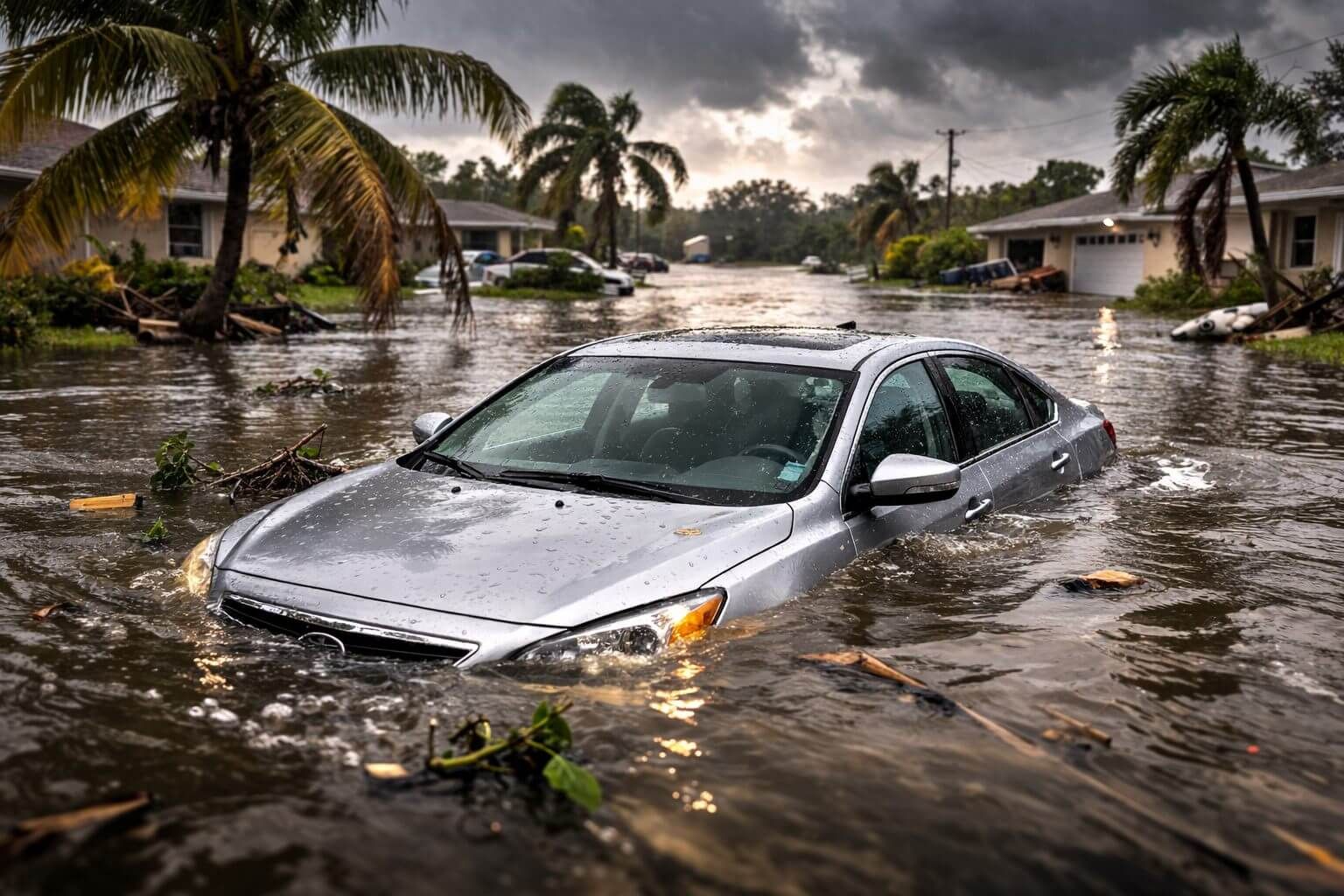
How to Avoid Flood-Damaged Used Cars in Florida
Buying a used car in Florida can be a smart way to save money, but it also comes with risks that buyers in other states may not face as often. Because Florida is regularly affected by hurricanes, tropical storms, and heavy flooding, water-damaged vehicles can re-enter the market looking clean on the surface while hiding serious mechanical, electrical, and safety issues underneath.
That is why buyers should never rely on appearance alone. Before purchasing any used car, it is wise to start with a free VIN check and review the available vehicle history report details to see whether the vehicle has been flagged for flood damage, salvage branding, prior accidents, or other title-related problems.
In many cases, flood damage is not obvious during a quick walkaround. Sellers may clean interiors, replace carpets, or detail the engine bay to make the vehicle look normal again. However, water intrusion can affect wiring, electronics, sensors, bearings, and corrosion-prone components long after the car appears dry.
!How to avoid flood-damaged used cars in Florida – visual guide
Why Flood-Damaged Cars Are a Bigger Risk in Florida
Florida’s used car market is heavily influenced by weather-related events. After major storms, some vehicles that were submerged or exposed to standing water may be declared total losses by insurers, while others may circulate through auctions, resellers, or private-party listings. In some situations, a vehicle may cross state lines and return to the market with limited disclosure.
From an automotive standpoint, flood exposure can create problems that do not always show up right away. A car may start, idle, and even drive normally during a short test drive, yet still develop expensive failures weeks or months later. Common long-term issues include electrical shorts, mold growth, sensor failures, corroded connectors, brake contamination, wheel bearing wear, and transmission or engine damage caused by water intrusion.
For that reason, flood risk is not just a cosmetic issue. It is a reliability, safety, and resale-value issue.
Signs a Used Car May Have Flood Damage
A careful inspection can reveal clues that a vehicle has been exposed to water. While one sign alone does not always confirm flood damage, several warning signs together should raise concern.
1. Musty Odors or Damp Interior Materials
A strong mildew or musty smell is one of the most common warning signs. Check the seats, carpets, floor mats, trunk lining, and headliner. Even if the car has been recently detailed, moisture odor can linger in padding, insulation, or ventilation ducts.
2. Water Stains or Mud Residue
Look closely for staining on upholstery, carpeting, seat rails, door sills, and inside the trunk. Mud, silt, or residue in hidden areas such as under the spare tire, beneath seats, or around wiring channels can indicate past water exposure.
3. Rust in Unusual Places
Surface rust on old underbody components may be normal, but rust on seat mounts, pedal brackets, screws under the dashboard, fuse box hardware, door hinges, or connectors can signal abnormal moisture exposure.
4. Electrical Problems
Flood-damaged vehicles often develop erratic electronics. Test the windows, locks, mirrors, infotainment system, lights, backup camera, climate controls, seat functions, and dashboard indicators. Intermittent electrical glitches are a major red flag.
5. Recently Replaced Interior Parts
Fresh carpet, new insulation, mismatched trim pieces, or interior panels that look newer than the rest of the vehicle may suggest that someone tried to hide water damage.
6. Fogging in Lights or Instrument Clusters
Condensation trapped in headlights, taillights, or gauge clusters can indicate prior moisture intrusion, especially if combined with other signs.
Why a VIN Check Matters Before You Buy
A physical inspection is essential, but it should never be your only line of defense. Records-based verification gives buyers another layer of protection.
Running a VIN decoder can help verify the vehicle’s identity, while a full history search can reveal title brands, accident entries, insurance-related events, theft history, and other reported issues tied to the vehicle. If a car has ever been declared salvage, rebuilt, junk, or flood-damaged, that information may appear in the title or history trail.
This matters because flood-damaged cars are often cleaned up and resold quickly. A buyer who skips the records check may have no idea the vehicle was previously involved in a major weather-related insurance loss.
Steps to Avoid Buying a Flood-Damaged Used Car in Florida
1. Start With a Full Records Check
Before you spend time on a vehicle, run its VIN through a trusted history platform. This helps you screen for title brands, prior damage entries, and other major warning signs before you even schedule an inspection.
2. Inspect the Car in Daylight
Always inspect the vehicle in good lighting. Open the doors, trunk, and hood. Check the carpet edges, seat tracks, spare tire well, and wiring areas. Do not rely on seller photos alone.
3. Verify the Title Status
Flood-damaged vehicles are often associated with branded titles. A clean-looking car may still have a hidden title issue, so it is smart to confirm that status using a title check by VIN before moving forward.
4. Check for Odometer and Wear Inconsistencies
Flood vehicles sometimes show signs of wear that do not match the mileage claimed in the listing. If the interior looks unusually aged or corroded for the odometer reading, it is worth comparing that information with a mileage check by VIN to spot possible discrepancies.
5. Have a Mechanic Perform a Pre-Purchase Inspection
A professional mechanic can spot hidden issues that many buyers miss, especially underbody corrosion, contaminated fluids, damaged modules, and signs of water intrusion in connectors or harnesses.
6. Ask Direct Questions
Ask the seller whether the car has ever been flooded, declared a total loss, or had interior water intrusion. Their answer should match the paperwork and vehicle history. Vague or evasive responses are a warning sign.
Best Practices When Shopping After a Hurricane or Major Storm
If you are shopping for a used car shortly after a hurricane season or major flooding event, be extra cautious. This is when more questionable inventory tends to surface.
Here are a few smart buying habits:
- Be skeptical of unusually low prices on late-model vehicles
- Avoid rushing into same-day purchases without checking records
- Review the title and registration documents carefully
- Be cautious with vehicles coming from recently flooded regions
- Compare the seller’s story against the vehicle’s condition and history
In the automotive market, a deal that looks too good often comes with a hidden reason.
Frequently Asked Questions
What problems can a flood-damaged car develop later?
Even if a flood-damaged car seems fine at first, it can develop corrosion, module failures, wiring issues, mold, sensor malfunctions, transmission damage, and brake system problems over time. These issues are often expensive and difficult to diagnose.
Can a flood-damaged car still have a clean appearance?
Yes. Many flood-damaged vehicles are cleaned, deodorized, and detailed before resale. That is why records checks and inspections are so important. Cosmetic condition alone does not prove the car is safe.
Is flood damage always listed on a title?
Not always in a way that is immediately obvious to the buyer. That depends on how the loss was reported, titled, processed, and resold. This is why checking title history and related records is an important step.
Should I buy a repaired flood-damaged car if the price is low enough?
In most cases, buyers should be very cautious. Even when repairs have been made, water damage can create long-term reliability and resale issues that outweigh the initial savings.
What is the safest way to check a used car before buying in Florida?
The safest approach is to combine a vehicle history search, title verification, physical inspection, and professional mechanical inspection before making any payment.
Final Thoughts
Florida offers plenty of used car buying opportunities, but it also has one of the highest risks for flood-related vehicle damage. The smartest buyers do not just look at paint, tires, and price. They verify the vehicle’s background, inspect it carefully, and use records to catch problems that a seller may not mention.
If you are serious about avoiding a flood-damaged used car in Florida, start with the vehicle’s history first, then confirm the title, mileage, and condition before committing to the purchase. A few minutes of due diligence can save you from years of repair costs and ownership headaches.
About the Author
Brandon Lee
Brandon Lee is a classic car restorer and fabricator who spends his time rescuing old metal and rebuilding it piece by piece. He’s dealt with rust-bucket projects, bad bodywork, and cars with confusing chains of ownership. At VinCheckPro.com, Brandon focuses on older vehicles and project cars—explaining how VIN checks, casting numbers, and careful inspection help confirm a car’s true identity and condition.