
How Do I Find the Owner of a Car With a Plate Number in California?
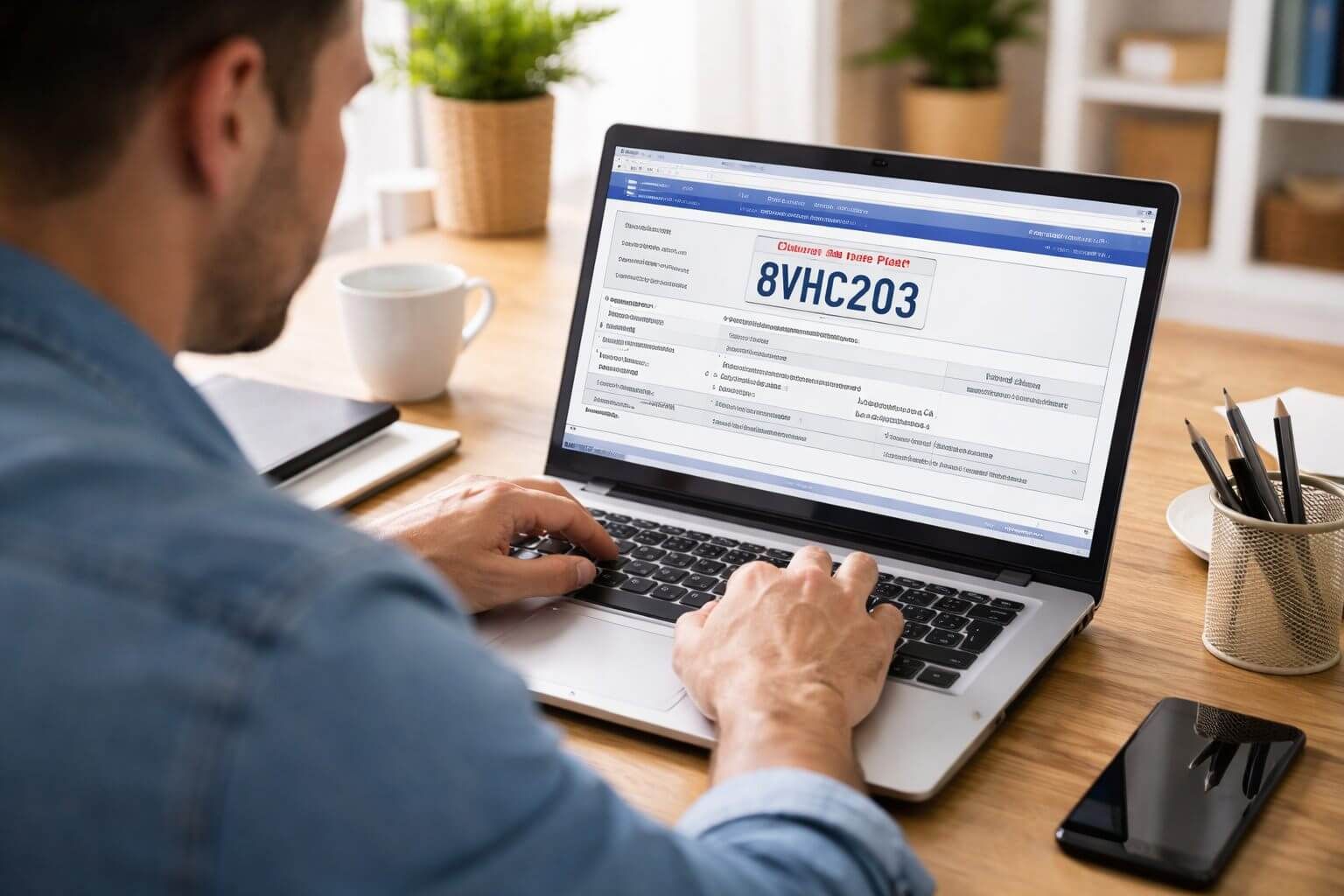
How Do I Find the Owner of a Car With a Plate Number in California?
When buying a used car in California, verifying the vehicle’s background is one of the smartest steps you can take. Buyers often want to confirm that the seller is the legitimate owner, that the registration details match the vehicle, and that there are no hidden title or history problems attached to the car.
A license plate lookup can sometimes help you verify vehicle-related details, but it is important to understand its limits. In California, you generally cannot use a plate number to freely obtain the owner’s personal identity. Privacy laws restrict access to that information, which means most buyers should focus less on trying to uncover the owner’s name from the plate and more on verifying the vehicle itself through lawful records checks.
If you are researching a used car, a vehicle history report and a license plate lookup can work together, but the strongest verification tool is still a VIN-based check.
!license plate owner lookup California
Can You Find a Car Owner by License Plate in California?
In most situations, no, not directly.
California DMV records are subject to privacy protections under the federal Driver’s Privacy Protection Act and California’s own disclosure rules. That means you cannot simply enter a California plate number into a public website and receive the registered owner’s name, address, or personal contact information.
California DMV does allow requests for vehicle record information, but the process depends on who is requesting the record and whether the request is legally permitted. In general:
- Personal information is still restricted and not automatically released just because someone asks for it
When Can Vehicle Record Information Be Requested?
California does provide lawful ways to request vehicle record information, but the requester must fit within an authorized use or otherwise follow DMV rules for record access.
Examples of situations where record access may be relevant include:
- Legal disputes involving the vehicle
- Insurance or claims-related investigations
- Fraud or theft investigations
- Matters involving government agencies, courts, or law enforcement
- Certain legitimate business purposes allowed by law
For private used-car buyers, this usually means you cannot rely on the plate number alone to identify the owner. Instead, the more practical approach is to verify the car through title documents, VIN-based records, and matching seller identification.
How to Look Up a Vehicle With a Plate Number in California
Step 1: Use a Plate Lookup for Vehicle Details
A license plate lookup can help surface useful vehicle-related information without exposing restricted personal data.
Depending on the available data, a plate-based search may help confirm:
- Vehicle make, model, and year
- Registration-related information
- Title-brand clues such as salvage, rebuilt, or flood history
- Basic vehicle specifications
- Possible damage or incident-related red flags
This can be helpful when a seller provides a plate number first or when you want to compare the visible vehicle to the paperwork and listing.
Step 2: Verify the VIN for a More Complete Picture
A plate lookup is only a starting point. The stronger approach is to verify the vehicle’s VIN.
A VIN decoder can help confirm the exact year, make, model, trim, engine, and other production details. A free VIN check can then help uncover accident history, title issues, theft records, mileage inconsistencies, or other problems that may not be obvious from a plate search alone.
This matters because the VIN is tied directly to the vehicle, while license plates can change over time.
Step 3: Use California DMV Channels Only if Appropriate
California DMV allows record requests, but the process depends on whether you are asking for your own record or someone else’s. If you are requesting your own vehicle record, California DMV offers an online request option and also allows use of the form for your own record. Requests involving another person’s vehicle record are handled differently and typically go through INF 70.
Even then, protected personal information is not freely released. That is why private buyers should not assume a DMV request will give them the seller’s personal identity just because they have a plate number.
Step 4: In Serious Situations, Contact the Proper Authority
If the car may be stolen, abandoned, fraudulently sold, or involved in a legal dispute, the right move is usually to contact law enforcement, your insurer, an attorney, or another authorized party rather than trying to obtain private ownership data on your own.
Why Plate Lookup and VIN Check Work Better Together
A plate lookup may help you confirm whether the visible vehicle roughly matches the seller’s claims. A VIN-based search helps you go much deeper.
A VIN check can help uncover:
- Exact make, model, and model year
- Trim and engine details
- Prior accidents or damage records
- Title brands such as salvage, rebuilt, or flood
- Theft-related records
- Open recalls
- Odometer-related concerns
For California used-car buyers, this combination is often more useful than trying to identify the owner from the plate alone. What matters most is whether the seller has the right documents and whether the vehicle has a clean, consistent, and transferable record.
Practical Tips for California Used Car Buyers
Check the Seller’s Identification Against the Title
Always compare the seller’s ID to the name shown on the title and registration paperwork. If the names do not line up, ask questions before moving forward.
Ask to See the Original Title and Registration
A seller should be able to present clear ownership documents. Do not rely on verbal explanations if the paperwork is missing, inconsistent, or incomplete.
Verify the Vehicle Before You Pay
Before handing over money, run a records check and confirm the vehicle’s background. If title brands or ownership-related problems appear, use a title check by VIN to screen for title issues and a recall check by VIN to look for unresolved safety recalls.
Walk Away From Red Flags
If the VIN does not match the paperwork, the seller refuses to show title documents, or the story does not add up, it is safer to walk away than to hope the issue can be fixed later.
Frequently Asked Questions
Can I legally find out who owns a car by its license plate in California?
In most cases, no. California does not allow the public to freely obtain a vehicle owner’s personal identity from a plate number.
What can a California license plate lookup tell me?
It may help confirm vehicle-related information such as make, model, year, and possible title or history-related clues, but it generally will not provide the owner’s private personal details.
What is INF 70 used for in California?
INF 70 is the DMV request form generally used for requesting another person’s vehicle or driver record information, subject to California’s disclosure rules and legal limitations.
Is a VIN check better than a plate lookup?
For used-car buyers, yes. A VIN-based search usually gives a more complete and reliable picture of the vehicle’s identity, title history, and risk factors.
How do I verify that the seller is the true owner of the car?
Compare the seller’s identification to the title and registration documents, then verify the VIN and the vehicle’s history before purchase.
Final Thoughts
In California, finding the owner of a car by plate number is usually not something a private buyer can do freely. Personal ownership details are protected, and DMV records are not an open directory for public searches.
For most buyers, the better strategy is to verify the vehicle rather than chase the owner’s identity through restricted channels. A plate lookup can help as a basic screening step, but the real due diligence comes from checking the VIN, reviewing the title, and making sure the seller’s documents match the car.
If the paperwork, identity, and vehicle history all line up, you are in a much safer position to move forward with the purchase.
About the Author
Ryan Cole
Ryan Cole is a European car specialist who has spent years working on German and other Euro brands in independent repair shops. From high-mileage diesel wagons to turbocharged hot hatches, he knows how maintenance—or the lack of it—shows up both in service records and in expensive repairs later on. On VinCheckPro.com, Ryan helps buyers understand how to read a VIN report alongside maintenance history, especially for used European cars.