
Emissions Testing Requirements When Buying a Used Car in Wisconsin
Emissions Testing Requirements When Buying a Used Car in Wisconsin
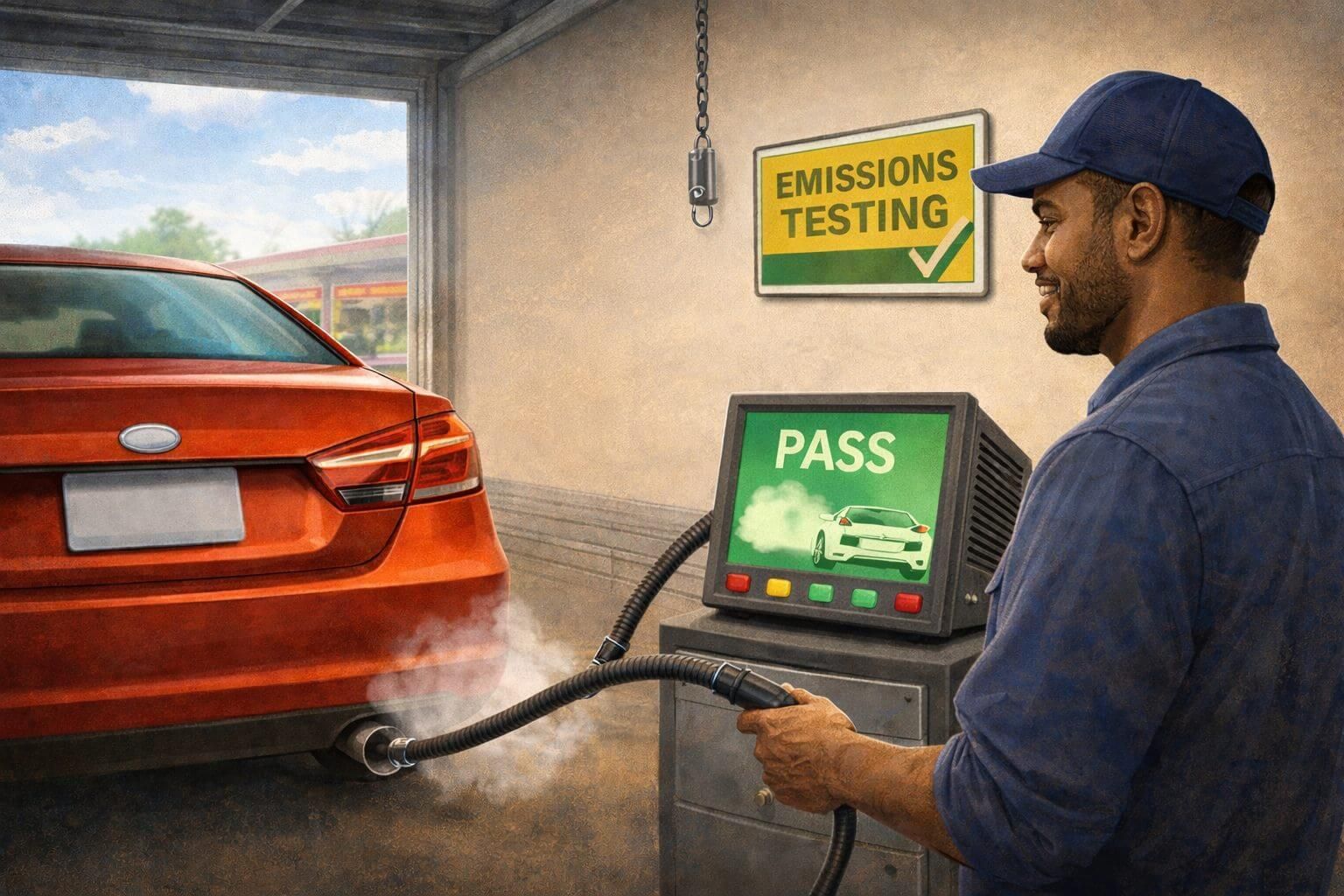
When shopping for a used car in Wisconsin, it is not enough to focus only on price, mileage, and appearance. One of the most important practical issues is whether the vehicle can meet Wisconsin’s emissions requirements. In certain counties, emissions compliance is tied directly to registration, which means a used vehicle that fails or lacks a valid test can create delays, unexpected repair bills, and registration problems soon after purchase.
If you are buying a used car in an affected county, emissions testing should be part of your due diligence before you hand over money. It is also smart to review the vehicle’s background first. A Wisconsin vehicle registration guide can help you understand the registration side, while a free VIN check can help you spot title, history, or compliance-related red flags before the sale.
Why Wisconsin Requires Emissions Testing
Wisconsin’s emissions program exists to reduce vehicle-related air pollution and help the state comply with federal clean-air requirements. The program is designed to identify vehicles that emit excessive pollutants and prevent registration until they meet applicable standards. This is especially important in more populated southeastern Wisconsin counties where air-quality concerns are greater. (wisconsindot.gov)
For buyers, this means emissions testing is not just an environmental rule. It is also a real ownership and registration issue that can affect how quickly you can legally use the vehicle after purchase. (wisconsindot.gov)
Where in Wisconsin Emissions Testing Is Required
Wisconsin does not require emissions testing statewide. The requirement applies to vehicles customarily kept in these seven southeastern Wisconsin counties:
- Kenosha
- Milwaukee
- Ozaukee
- Racine
- Sheboygan
- Washington
- Waukesha
If the vehicle is customarily kept in one of these counties, emissions compliance is part of the registration process. (wisconsindot.gov)
When Emissions Testing Can Be Required
Many buyers assume emissions testing only comes up during routine renewal, but Wisconsin’s program is broader than that.
A test could be required in these situations:
- When the vehicle is purchased and registered, generally within 45 days
- When an owner is added or removed on a title, generally within 45 days
- Every other year before registration renewal
- When a new resident transfers a vehicle to Wisconsin, generally within 45 days
This is important for used-car buyers because a vehicle may look road-ready, yet still need to pass emissions shortly after the ownership change. (wisconsindot.gov)
Which Vehicles Are Subject to Testing
According to Wisconsin’s current DMV guidance, emissions testing applies to certain vehicles with auto or light truck plates.
A test is required for:
Common exemptions include:
- Motorcycles
- Vehicles outside the covered model year and weight categories
- Vehicles not customarily kept in the seven required counties
The original assumption that all diesel vehicles are generally exempt is not accurate for newer covered model years under current Wisconsin guidance. (wisconsindot.gov)
What Happens if a Used Vehicle Fails Emissions
If a vehicle required to test does not pass, registration cannot move forward normally until the issue is addressed. In practice, that means the owner will need to repair the emissions-related problem and return for a retest. Wisconsin also provides temporary exemptions in some situations, such as when a required vehicle is temporarily kept in a place where OBDII testing is not available or when the vehicle is not drivable. (wisconsindot.gov)
Wisconsin also allows a cost waiver in some failure situations, but the rules are narrow. Current state guidance notes that vehicles that continue to fail may be eligible if actual emissions-related repair costs exceed the repair cost limit, which increased to $1,110 effective July 1, 2024. To qualify, the repairs must be related to the cause of failure, excluded costs do not count, and the work must be performed by a recognized repair facility. (wisconsindot.gov)
For buyers, the key takeaway is simple: a failing emissions vehicle can quickly become your repair problem after purchase.
Testing Cost and Where Testing Happens
Wisconsin’s required emissions test is generally provided without a direct charge to the motorist. Testing is administered through the Wisconsin Vehicle Inspection Program. Wisconsin’s DMV also notes that self-service kiosks are available for certain eligible 2007-and-newer vehicles. (wisconsindot.gov)
That means the bigger cost risk is not the test itself. The real financial risk is buying a used vehicle that needs emissions-related repairs before it can pass.
What Buyers Should Check Before Purchasing a Used Car
If you are buying a used vehicle in or for one of the affected counties, emissions compliance should be part of your pre-purchase checklist.
Ask About the Most Recent Emissions Status
Request the most recent inspection paperwork or ask whether the vehicle recently passed. If the seller cannot show evidence and the vehicle is due, assume you may need to handle the issue after purchase.
Check for Dashboard Warning Lights
A check engine light is one of the most obvious warning signs that emissions testing may become a problem. Even if the vehicle runs well, unresolved faults can lead to rejection or failure.
Review the Vehicle’s History
A vehicle history report can help you spot title problems, prior damage, repeated ownership changes, and other issues that may affect both compliance and value. If you want to verify the car’s exact build and engine details, a VIN decoder can help confirm what the vehicle actually is.
Factor Emissions Risk Into the Deal
If the car is due for testing soon, use that fact in your negotiation. A seller who cannot provide evidence of recent compliance may be selling you a future repair bill.
Tips for Sellers in Wisconsin
If you are selling a used car in an emissions county, transparency helps prevent disputes.
- Be ready to discuss the car’s recent emissions status
- Address check engine light issues before listing
- Keep any recent emissions paperwork available
- Provide records that help the buyer feel confident about compliance
A vehicle that appears ready for registration is usually easier to sell than one that raises unanswered inspection concerns.
How to Prepare a Vehicle for Emissions Testing
If the vehicle is due for testing, a few practical steps can improve your chances of a smoother result:
- Fix any check engine light issues before inspection
- Stay current on basic maintenance
- Make sure the vehicle is fully warmed up before testing
- Confirm the gas cap seals properly
- Avoid buying a vehicle with obvious unresolved drivability issues unless you have priced the repairs into the deal
These steps do not guarantee a pass, but they can reduce avoidable problems.
Frequently Asked Questions
Do all used cars in Wisconsin need emissions testing?
No. Emissions testing is only required for certain vehicles customarily kept in seven southeastern Wisconsin counties and only if the vehicle falls within the covered model year, fuel, and weight classes. (wisconsindot.gov)
Can I register a used car in an affected county without emissions compliance?
If the vehicle is required to test, emissions compliance can be necessary before registration or renewal proceeds normally. In some cases, Wisconsin may allow a temporary exemption depending on the specific situation, but that is not the same as a normal pass. (wisconsindot.gov)
Is emissions testing only required at renewal?
No. Wisconsin DMV says testing could also be required when a vehicle is purchased and registered, when owners are added or removed from title, and when new residents transfer vehicles into the state. (wisconsindot.gov)
Are emissions tests free in Wisconsin?
The required emissions test is generally provided without a direct charge to the motorist. (wisconsindot.gov)
Can a VIN check reveal emissions-related concerns?
A VIN-based report can help surface history and compliance-related red flags that may affect your purchase decision, especially when combined with inspection status and seller documentation.
Final Thoughts
Understanding Wisconsin’s emissions testing requirements is an important part of buying a used car in the state, especially if the vehicle will be kept in one of the seven covered southeastern counties. A vehicle that seems like a good deal can quickly become expensive if it needs emissions-related repairs before it can be registered or renewed.
That is why emissions compliance should be part of your due diligence from the beginning. Verify where the vehicle will be registered, determine whether it falls into a covered testing category, and review its records before purchase. A few extra checks before the sale can save you time, money, and frustration afterward.
About the Author
Jake Turner
Jake Turner is an ASE-certified master mechanic with over 18 years in independent shops and dealership service bays. He’s inspected thousands of used cars, from budget commuters to ex-fleet workhorses, and has a knack for spotting issues that never show up in glossy ads. On VinCheckPro.com, Jake explains how to connect what you see in a VIN report with what you should check under the hood, on the lift, and during a test drive.