
How Odometer Fraud Affects Title History and Value
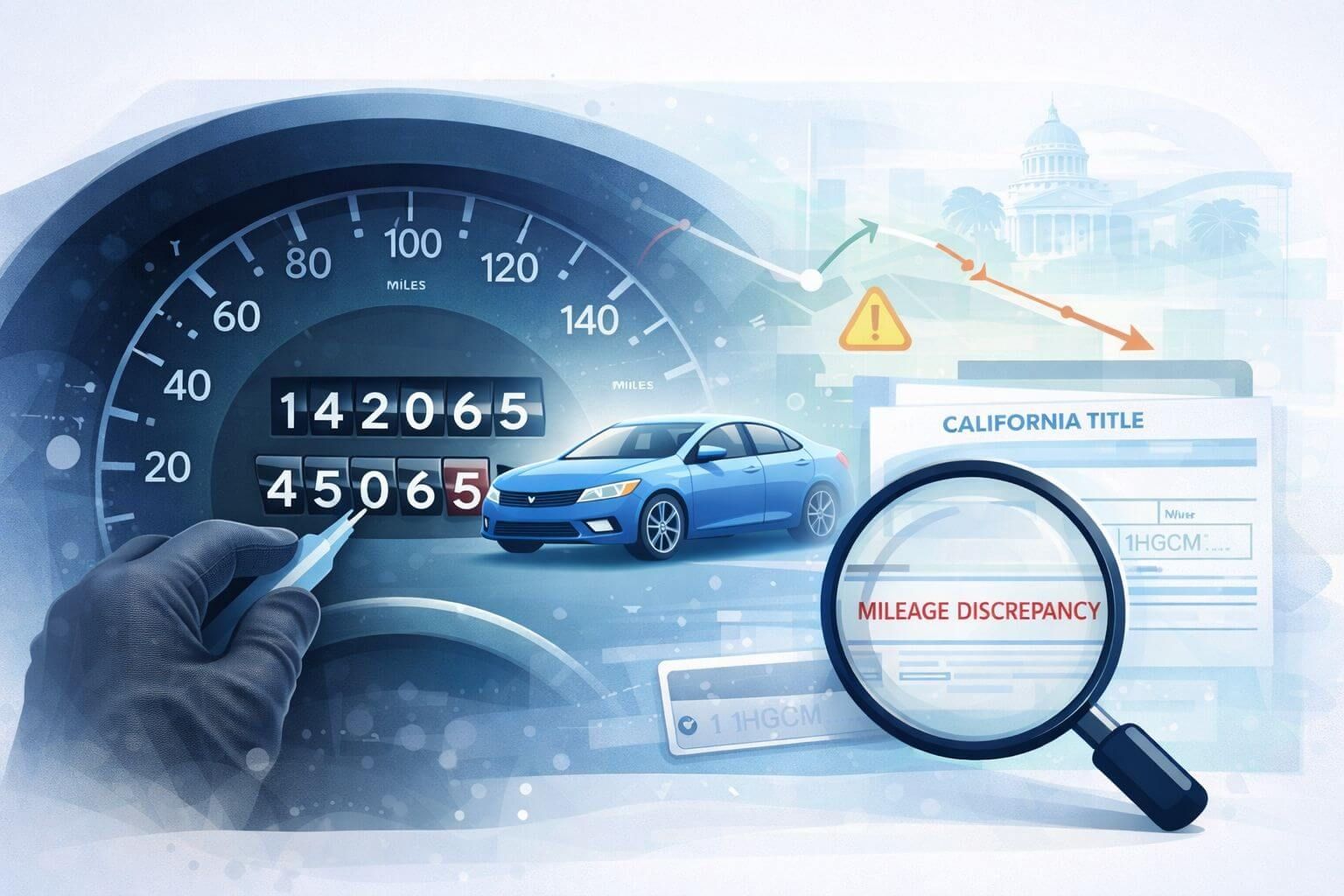
When shopping for a used car, one of the most crucial factors buyers rely on is the mileage. A vehicle’s mileage helps indicate how much wear and tear it has undergone, which can directly impact its price, reliability, and future maintenance costs. But what happens when this crucial number is manipulated? This is where odometer fraud — also known as "clocking" — comes into play, creating serious risks for unsuspecting buyers.
What is Odometer Fraud?
Odometer fraud occurs when someone tampers with a vehicle’s odometer to display a lower mileage than the car has actually traveled. This deceitful practice is often done to make a car appear newer, more desirable, and worth more than its true market value.
While modern digital odometers are more difficult to alter than older mechanical ones, they are not immune. Advances in technology have unfortunately made it easier for dishonest sellers to roll back mileage with specialized tools.
How Odometer Fraud Impacts Title History
A car’s title history acts as its legal record, documenting important details like ownership changes, accident records, and mileage at various points (e.g., during registrations and inspections). When odometer fraud occurs, it can distort this record in the following ways:
Impact on Vehicle Value
Mileage is one of the primary factors influencing a vehicle’s market value. Lower mileage often means a higher price tag, as it suggests less wear and more life left in the car. When fraudulently reduced:
Risks to Vehicle Safety and Maintenance
Beyond the financial consequences, odometer fraud can directly impact safety:
How to Protect Yourself from Odometer Fraud
Protecting yourself starts with diligence:
Frequently Asked Questions (FAQs)
How common is odometer fraud?
Odometer fraud is more common than many people think. The National Highway Traffic Safety Administration (NHTSA) estimates that over 450,000 vehicles are sold each year with false odometer readings in the U.S. alone. With advances in digital odometer tampering tools, it has become harder to detect without thorough checks.
Can a vehicle history report detect odometer fraud?
Yes — a vehicle history report can help identify odometer fraud by showing recorded mileages at different points in the car’s life, such as during title transfers, inspections, or maintenance. If there are mileage inconsistencies, that’s a strong sign of tampering.
What should I do if I suspect odometer fraud after purchase?
If you suspect that the vehicle you purchased has had its odometer rolled back, document all evidence, including service records and the vehicle history report. Report the issue to your state’s Department of Motor Vehicles (DMV) and consider seeking legal advice. You may also be able to pursue compensation under consumer protection laws.
Does odometer fraud affect car insurance?
Yes. Incorrect mileage can impact your insurance policy, including premium calculations and claims settlements. If an insurer discovers odometer fraud, they may adjust or deny claims, or even cancel your policy in severe cases.
Are there legal penalties for odometer fraud?
Absolutely. Odometer fraud is a federal crime in the U.S., punishable by fines and even imprisonment. Sellers found guilty can also face civil lawsuits from affected buyers.
How can I avoid buying a car with odometer fraud?
Always get a vehicle history report, have the car inspected by a trusted mechanic, and verify service records carefully. Look for inconsistencies between the car’s condition and its stated mileage, such as excessive wear on interior components or engine parts.
Final Thoughts
Odometer fraud is more than just a simple scam — it’s a deceptive practice that can ruin a vehicle’s value, distort its title history, and compromise your safety. By understanding the signs and taking proactive steps, you can protect yourself from falling victim to this costly deception.
For peace of mind, always start with a reliable VIN check to ensure your next vehicle has an honest and transparent history.
About the Author
Brandon Lee
Brandon Lee is a classic car restorer and fabricator who spends his time rescuing old metal and rebuilding it piece by piece. He’s dealt with rust-bucket projects, bad bodywork, and cars with confusing chains of ownership. At VinCheckPro.com, Brandon focuses on older vehicles and project cars—explaining how VIN checks, casting numbers, and careful inspection help confirm a car’s true identity and condition.